
Sukanya Samriddhi Yojana marks a decade of empowering the girl child
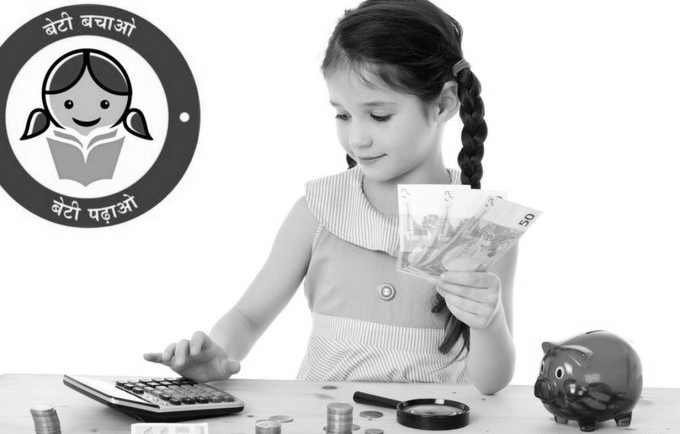
The Sukanya Samriddhi Yojana, launched on 22 January 2015 under the Government of India’s Beti Bachao, Beti Padhao campaign, has emerged as a key instrument for securing the financial future of the girl child. Notified as a small savings scheme by the government, it encourages parents and guardians to invest early for their daughters’ education and long-term needs. Deposits under the scheme earn interest at rates announced periodically, with the current rate at 8.2 percent , making it one of the highest-yielding government-backed savings options.
Since its inception, the scheme has seen widespread adoption across the country. More than 4.53 crore Sukanya Samriddhi accounts have been opened so far, and total deposits have crossed ₹3.33 lakh crore as of December 2025. These figures underline the growing confidence of families in a scheme that blends financial security with a strong social message on the value of the girl child. Each account reflects a conscious effort to plan for higher education, financial independence, and future stability.
A Sukanya Samriddhi account can be opened in the name of an Indian girl child from birth until she attains ten years of age by her parents or legal guardian at any post office or authorised public and private sector bank. Only one account is permitted per girl child, and a family can open accounts for a maximum of two children, with exceptions allowed in cases such as twins or triplets on submission of valid documents. The account is transferable anywhere in India, ensuring uninterrupted savings even if the family relocates.
The account is operated by the parent or guardian until the girl child reaches eighteen years of age, after which she can manage it independently. Deposits can begin with a minimum contribution of ₹250 in a financial year, while the maximum annual deposit limit is ₹1.5 lakh. Contributions can be made in lump sum or instalments and are required only for the first fifteen years from the date of opening, though the account continues to earn interest until maturity. Interest is calculated on monthly balances and credited at the end of each financial year.
The scheme offers flexibility in cases where the minimum annual deposit is not made. Such accounts are treated as defaulted but can be revived by paying the prescribed minimum amount along with a nominal penalty, providing relief to families facing temporary financial difficulties. This feature adds resilience to the scheme and ensures continuity of savings.
Partial withdrawals are permitted to support educational needs. Once the account holder turns eighteen or passes Class 10 , she may withdraw up to fifty percent of the balance available at the end of the preceding financial year, subject to submission of proof such as admission letters or fee receipts. Withdrawals may be made as a lump sum or in installments, strictly in line with actual educational expenses.
The Sukanya Samriddhi account matures after twenty-one years from the date of opening. Premature closure is allowed only under specific circumstances, such as the marriage of the account holder after attaining eighteen years of age or in the event of her death, ensuring that the scheme remains focused on long-term financial security while allowing limited flexibility in exceptional cases.
A major attraction of the scheme is its favourable tax treatment. Investments qualify for deduction under Section 80C of the Income Tax Act, the interest earned is fully tax-free, and the maturity amount is also exempt from tax, placing the scheme in the exempt-exempt-exempt category. These benefits enhance its appeal as a long-term savings instrument for families across income groups.