
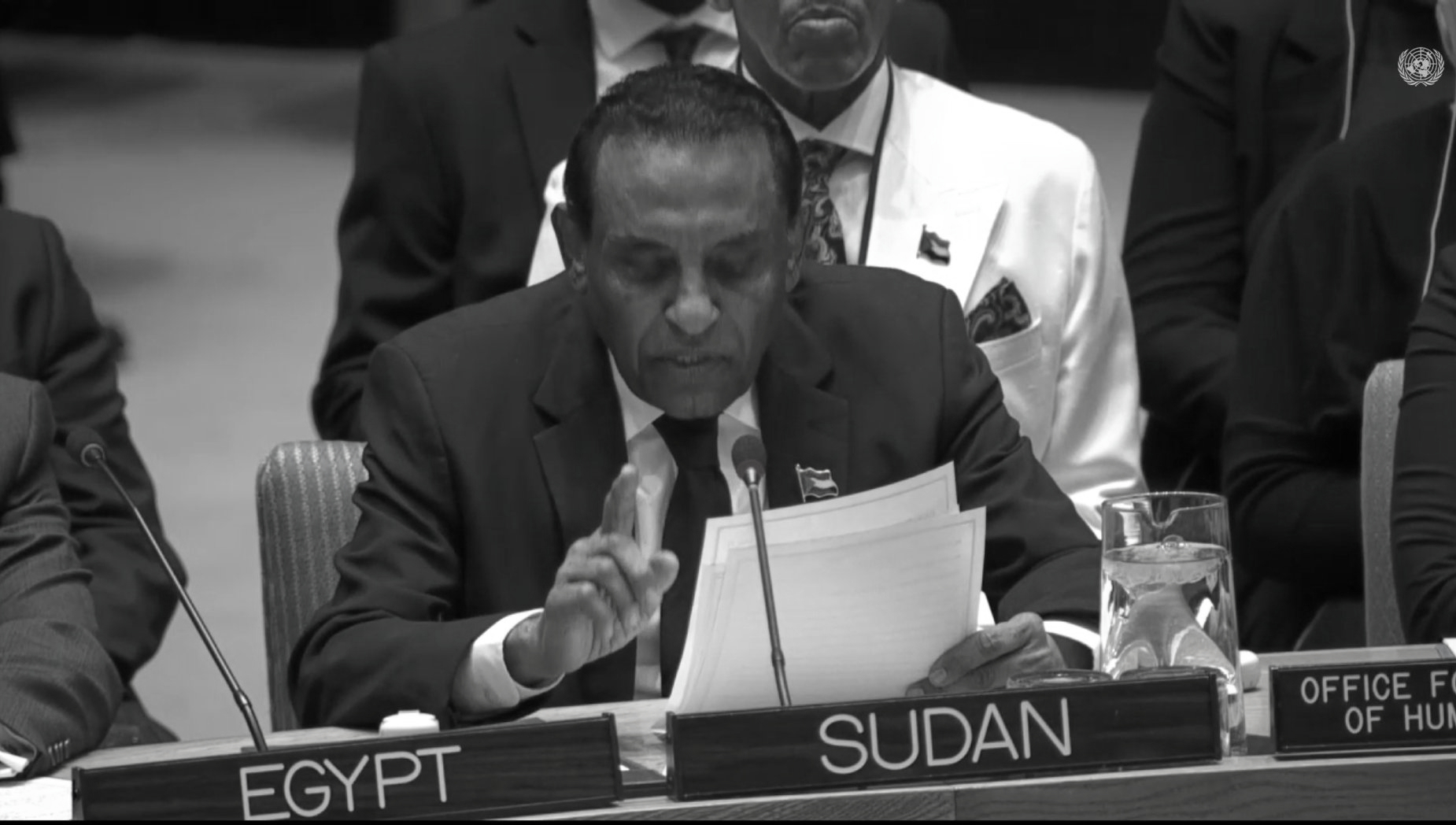
Sudan Crisis: Prime Minister proposes peace plan amid ongoing atrocities
Sudan’s prime minister has unveiled a wide-ranging peace initiative aimed at ending a nearly 1,000-day war with the paramilitary Rapid Support Forces (RSF), as the country faces escalating violence and a growing humanitarian crisis. The proposal, presented to the UN Security Council, calls for a ceasefire monitored by the United Nations, African Union, and Arab League, the withdrawal of RSF forces from occupied areas, placement of these forces in supervised camps, and their eventual disarmament.
Sudan plunged into chaos in April 2023 when a power struggle erupted between the national army, led by Gen. Abdel Fattah al-Burhan, and the RSF, commanded by Mohamed Hamdan Dagalo. The conflict has triggered mass killings, sexual violence, ethnic persecution, famine, and displacement, with the UN classifying many of these acts as war crimes and crimes against humanity. According to UN estimates, more than 40,000 people have died, though aid groups suggest the real toll is significantly higher. Over 14 million people have been displaced, creating the world's largest humanitarian crisis.
In recent events, more than 1,000 civilians were killed during a three-day RSF assault in Zamzam camp, with widespread sexual violence reported. Attacks on health facilities have resulted in over 1,600 deaths this year, including drone strikes on hospitals and clinics in Kordofan. Drone strikes in the region have killed at least 104 civilians, including children, while a drone attack on December 13, 2025, killed six UN personnel at a logistics base in South Kordofan.
Prime Minister Kamil Idris emphasized that the peace plan is homegrown and not imposed by foreign powers. He argued that a ceasefire without RSF disarmament would be doomed to fail and urged the Security Council to support his initiative as a historical moment for Sudan.
The United States urged both parties to accept a humanitarian truce immediately, without preconditions, condemning atrocities by both the army and the RSF. The UAE highlighted that unilateral peace efforts would fail and called for a humanitarian truce followed by a permanent ceasefire and a path toward civilian rule.
UN Assistant Secretary-General for Political Affairs Khaled Khiari criticized countries still supplying sophisticated weapons to both sides and condemned both the army and RSF for refusing to compromise. He stated that while they were able to stop fighting to preserve oil revenues, they have so far failed to do the same to protect their population, and that backers of both sides must use their influence to help stop the slaughter, not to cause further devastation.
The war has already led to widespread famine, disease outbreaks, and the displacement of millions, leaving Sudan on the brink of state collapse according to analysts. With civilians continuing to suffer, international observers stress that urgent, monitored action is required to prevent further atrocities.