
Strike pressure? Telangana clears ₹1,200 cr dues fast
Telangana’s private colleges had pushed the state government to the edge, threatening an indefinite strike starting September 15 over pending fee reimbursement dues. With classes suspended on Monday, the pressure on the government was palpable. Responding swiftly, the Telangana government assured the release of ₹1,200 crore in outstanding payments, signaling a quick resolution to a crisis that could have disrupted education across the state.
The dues in question are primarily fee reimbursements that the government owes to private professional and degree colleges for students who are beneficiaries of state scholarship and fee assistance programs. These funds cover tuition and other educational expenses for students, and indirectly support teacher salaries, staff payments, and day-to-day operational costs of these institutions. Essentially, the delay in disbursing these funds created cash flow issues for colleges, affecting their ability to pay salaries and manage institutional expenses.
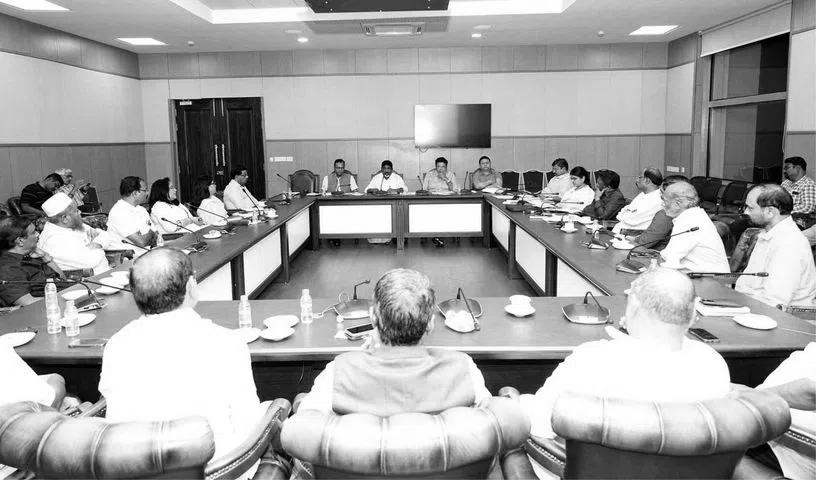
The issue came to a head when the Federation of Associations of Telangana Higher Education Institutions (FATHI) demanded immediate clearance of the dues, emphasizing that delays had strained college operations and student services. Deputy Chief Minister Mallu Bhatti Vikramarka, along with IT Minister D Sridhar Babu, Chief Secretary K Ramakrishna Rao, and Education department officials, met FATHI representatives on Sunday night. The meeting set the stage for rapid government action, including verification of pending dues and issuing token approvals for release.
While the ₹1,200 crore payment addresses immediate concerns, the strike threat highlighted deeper systemic issues in Telangana’s fee reimbursement mechanism. Colleges argued that delays in government disbursements not only disrupt academic schedules but also impact operational sustainability. The Finance department’s verification process, though necessary, had previously slowed the flow of funds, prompting the collective agitation by FATHI.
Analysts say that the government’s quick response underscores the delicate balance between administrative efficiency and institutional pressure. On one hand, swift action prevents disruptions to students’ education; on the other, it sets a precedent that strikes can expedite bureaucratic processes. The critical lesson is that a transparent, timely disbursal system could prevent similar crises in the future.
If the assurances are fully implemented, it could also restore trust between private colleges and the government, ensuring uninterrupted academic calendars. However, FATHI has warned that any delay or partial payment might revive protest threats, signaling that the community remains vigilant.
Bottom line: Telangana’s move to clear dues is a positive step, but the episode reveals the fragile nature of education funding mechanisms and the need for consistent, accountable governance. Students, staff, and faculty alike are watching closely as the state works to ensure that promises translate into action, averting disruption while maintaining institutional trust.