
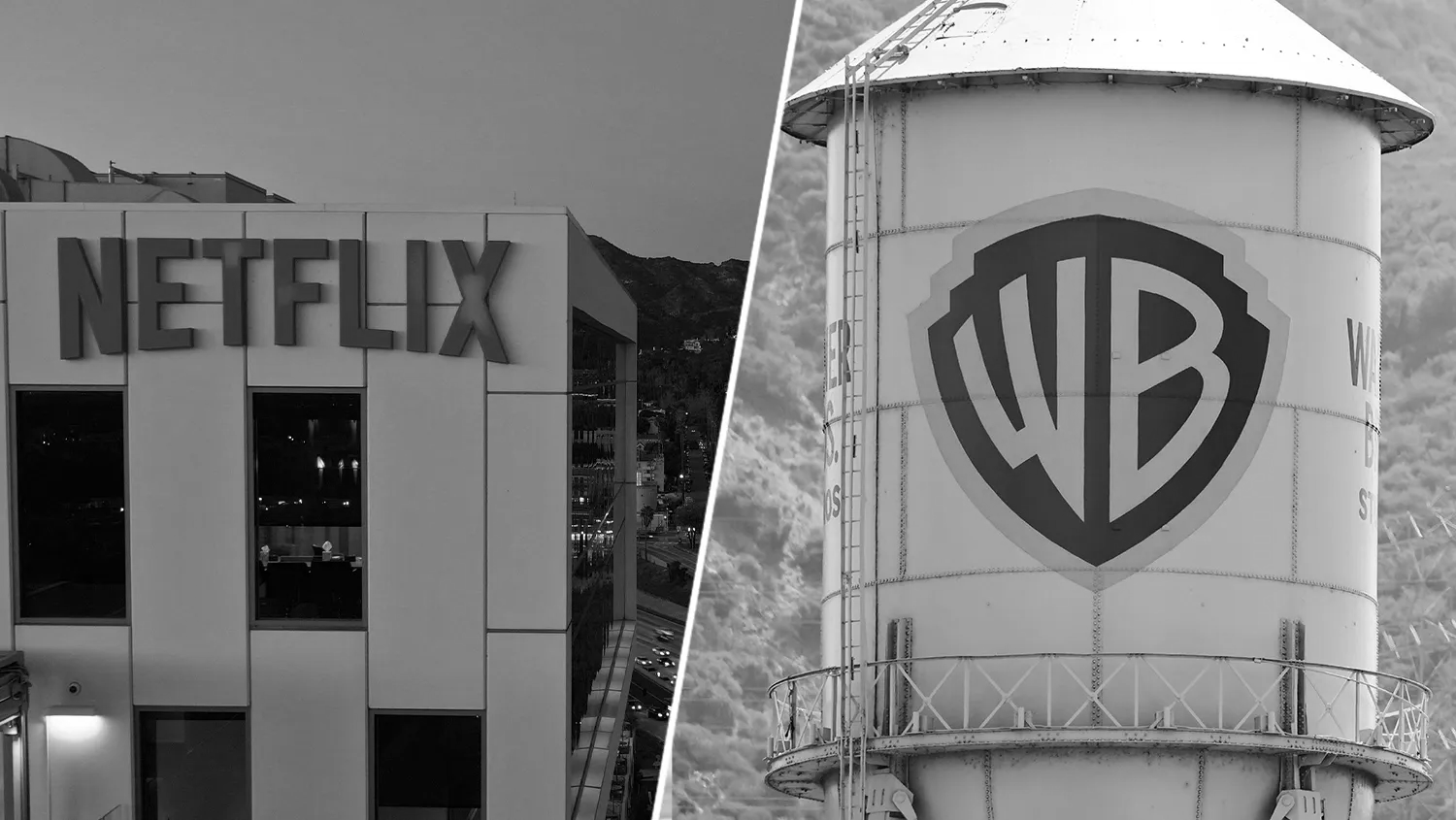
Streaming giant Netflix leads open bidding to acquire Warner Bros and HBO Max
Netflix has entered exclusive negotiations to acquire Warner Bros Discovery’s (WBD) film and television studios and its streaming service, HBO Max, signaling a major move that could reshape Hollywood. Sources familiar with the talks say Netflix has offered $28 per share, outpacing rival bids and emerging as the frontrunner in a high-stakes process. The offer is mostly cash, and Netflix has included a $5 billion breakup fee, meaning Warner Bros Discovery would be paid this amount if the deal falls through, protecting them during the negotiations.
The bid comes after weeks of competition between Netflix, Paramount Skydance, and Comcast for WBD’s assets. Paramount, which previously offered roughly $60 billion (around $24 per share) for the entire company, including its cable networks, has complained that the sale process favors Netflix. Paramount’s legal team claimed that WBD’s management may have conflicts of interest influencing the deal. Comcast, meanwhile, submitted a proposal valued at approximately $26 per share for Warner Bros’ studio and streaming assets, while other potential bidders also explored partial acquisitions. Netflix now holds the exclusive window to negotiate its $28 per share offer.
If the acquisition proceeds, Netflix would gain control over one of the world’s most valuable content libraries. This includes iconic franchises such as Harry Potter, Game of Thrones, and the DC Comics universe, as well as HBO’s landmark TV shows like The Sopranos, The Wire, Sex and the City, and Curb Your Enthusiasm. The move would allow Netflix to consolidate premium intellectual property under one platform, reducing reliance on external studios and positioning the company as a fully vertically integrated entertainment powerhouse.
However, Netflix is not acquiring all of WBD. Cable networks like CNN, TNT, and TBS remain part of WBD’s separate “cable networks” division, which traces its roots to the Turner Broadcasting System founded by Ted Turner. These networks are not included in the deal and would continue under WBD’s broader corporate structure.
The news has sparked concern across Hollywood. A consortium of top industry figures has urged Congress to scrutinize the deal, warning it could restrict theatrical releases and depress licensing fees. The Directors Guild of America (DGA) also expressed worries about the impact on creative competition and plans to meet Netflix for further discussion. Similarly, Cinema United, representing movie theater owners, highlighted the threat to the theatrical business, emphasizing that fewer movies in cinemas could harm local economies, restaurants, and other businesses that rely on theater traffic.
Regulators in the U.S. and Europe are expected to closely examine the deal. Agencies such as the Department of Justice (DOJ) and the Federal Trade Commission (FTC) could block or modify the acquisition if they find that it gives Netflix excessive market power or violates antitrust laws. Irregularities in the sale process or potential conflicts of interest could also trigger government intervention.
For HBO Max, the likely outcome is integration into Netflix’s platform rather than operating as a standalone app. Netflix tends to maintain a single, unified service for streaming, so HBO content, including its popular originals, would probably be migrated into Netflix, possibly with an “HBO” branded hub inside the app. Subscribers would likely transition to Netflix plans, and over time, the HBO Max app itself could be discontinued.
Regarding the timeline, a deal announcement could happen within days to a few weeks since Netflix currently holds exclusive negotiating rights. However, the final approval and completion could take several months, depending on the outcome of regulatory reviews and any potential objections raised by competitors, industry bodies, or government authorities.
If finalized, the acquisition would not just alter ownership; it would redefine the global streaming landscape. Netflix, already the world’s largest paid streaming service with a market value of $437 billion, would gain one of Hollywood’s richest content libraries, control over major franchises, and unprecedented influence in both streaming and entertainment production. For audiences, the deal could change how and where blockbuster films and premium TV shows are released, from cinemas to streaming platforms.
While the exclusive negotiations are still underway and no agreement has been formally announced, industry watchers agree that a Netflix–WBD merger would be a landmark moment in entertainment history, with far-reaching implications for studios, theaters, regulators, and viewers alike.