
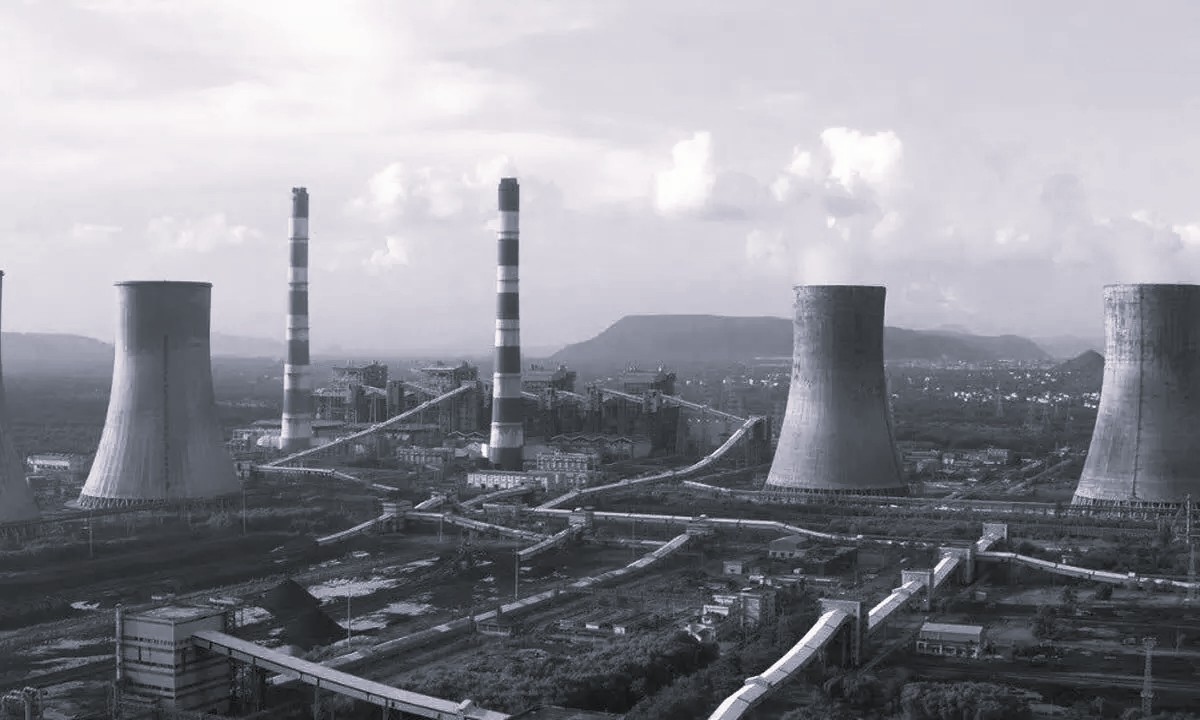
State adds 29 substations as domestic, Industrial power demand surges
As Andhra Pradesh accelerates its industrial expansion and strengthens its electricity network through 29 upcoming high-capacity substations, a clearer look at sector-wise power consumption reveals both progress and longstanding gaps in the state’s energy ecosystem. While the government is pushing for uninterrupted, high-quality electricity supply across domestic, agricultural, industrial and public sectors, publicly available data shows that the state’s consumption patterns are diverse, complex and often under-reported, especially in agriculture.
Although there is no single consolidated statewide report for 2024–25 that clearly breaks down consumption by every category, available public records provide an indicative picture. Domestic households and the industrial–commercial sector together account for the largest share of total electricity usage in Andhra Pradesh. Agriculture remains a significant user of power particularly due to the state’s free power policy for farmers but published estimates vary widely because a large number of pumpsets are still unmetered. According to a 2021 overview, low-tension agricultural consumption accounts for roughly a quarter of the state’s total demand, while other studies have placed agricultural consumption closer to one-third of overall usage in past years. Regional data from a DISCOM area for 2021–22 shows a smaller share of around 11%, highlighting how agricultural consumption fluctuates across regions depending on irrigation practices and metering quality.
The industrial and commercial sectors, which include major corporations, manufacturing units and high-tension consumers, typically account for 31% to 43% of electricity sales depending on the zone. These users rely heavily on uninterrupted supply, and the government’s plan to construct 29 new substations with capacities of 132 kV, 220 kV and 400 kV is directly linked to powering upcoming industrial corridors, EV manufacturing clusters, renewable energy parks, data centers and large processing units entering the state.
Household electricity usage has steadily increased in recent years, driven by urban expansion, new residential layouts and the growth of middle-class appliance demand. Domestic consumption now stands as one of the two largest components of total electricity usage, alongside industry and commercial sectors. Meanwhile, the government and public-service categories including public lighting, water supply systems, offices and municipal infrastructure constitute a relatively small but essential share of total demand. Their consumption is often bundled into “others” or “institutional categories,” making it difficult to separate precise figures from publicly available datasets.
Despite these data gaps, the government’s broader roadmap to ensure uninterrupted power is becoming clearer. The new substations are expected to significantly reduce load on existing stations, strengthen grid reliability, create alternative routing paths to avoid outages and support the integration of large-scale renewable energy from AP’s growing solar and wind corridors. For agriculture, the substations will help stabilize rural feeders, reduce voltage drops and protect irrigation motors ensuring smoother implementation of free power to farmers. For industries, the upgrades will provide high-load, high-quality supply, boosting Andhra Pradesh’s credentials as an investment-ready state.
Officials expect the 29 upcoming substations to transform the state’s electricity ecosystem by reducing transmission losses, improving voltage stability, strengthening renewable evacuation capacity and providing reliable power to new and existing industries. Though precise, updated sector-wise consumption figures are still not fully accessible in the public domain, the state’s investments point clearly toward a future in which Andhra Pradesh’s power infrastructure aligns with its ambitions of industrial growth, agricultural stability and universal household reliability.