
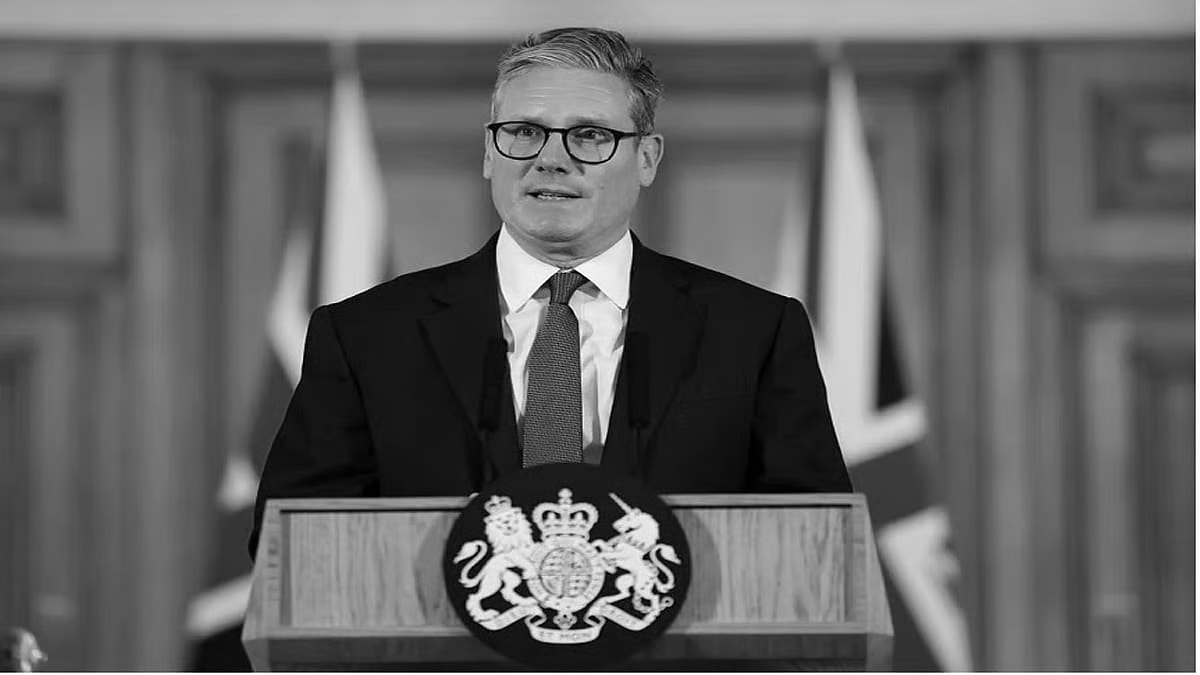
Starmer Clears Key Vote as Parliament Blocks Ethics Investigation After Heated Debate
British Prime Minister Keir Starmer has secured a key parliamentary victory after the House of Commons voted down a motion seeking an ethics investigation into his conduct over a controversial diplomatic appointment, even as political pressure around the issue continues to build.
The vote was defeated by 335 to 223 , blocking a proposed Privileges Committee inquiry into whether Starmer misled Parliament over the appointment of former Labour peer Peter Mandelson as the UK’s ambassador to the United States.
The controversy has been politically sensitive because Mandelson’s past links to convicted sex offender Jeffrey Epstein have long drawn scrutiny. Opposition parties have questioned whether proper checks were followed and accused the Prime Minister of providing misleading assurances to Parliament about the vetting process.
At the heart of the issue is a broader political clash in Westminster, where the Opposition has been attempting to frame the appointment as a question of accountability and standards in public office, while the ruling Labour government has dismissed it as a politically driven attempt to weaken the Prime Minister ahead of elections.
Before the vote, Starmer defended himself strongly, insisting he had acted with transparency and that all “due process” had been followed. He described the motion as a political distraction aimed at destabilising the government , particularly at a sensitive moment just days before local elections.
The debate itself reflected deep political divisions. Conservative leader Kemi Badenoch urged MPs to consider the seriousness of the allegations, arguing that Parliament must not ignore potential misconduct in high office.
The controversy has already triggered internal fallout, with Starmer’s former chief of staff Morgan McSweeney accepting responsibility for the advice that led to the appointment, calling it a “serious mistake” during a parliamentary committee hearing.
While the vote offers immediate relief to the Prime Minister, it does not end the wider political challenge. Labour is already facing pressure over the cost-of-living crisis and economic concerns , and the upcoming local elections are expected to serve as a key test of public sentiment toward Starmer’s leadership.
For now, the Prime Minister has survived the parliamentary challenge, but the political storm surrounding the issue is far from over.