
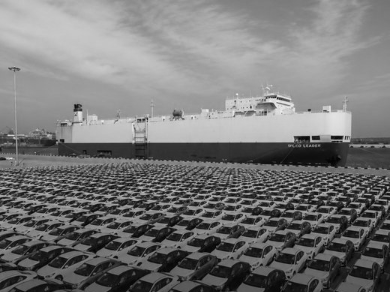
Sri Lanka’s Hambantota Port Defends Operations Amid 50,000 Vehicle Handling Surge
Hambantota International Port (HIP) in Sri Lanka has rejected reports suggesting a major operational crisis due to a vehicle backlog, saying it is focused on maintaining its role as a regional roll on roll off (RoRo) transhipment hub by speeding up cargo movement and reducing long term storage.
The clarification came after reports claimed that more than 1,000 imported vehicles were stuck at the port because importers had failed to complete documentation and clear related charges. HIP operator Hambantota International Port Group (HIPG) said the port is designed for cargo movement rather than permanent vehicle storage, warning that long parked vehicles reduce space needed for expanding automotive logistics operations.
HIPG said the port currently handles more than 50,000 vehicles, including transhipment cargo and vehicles imported for Sri Lanka’s domestic market. However, only 1,278 vehicles have remained at the port for more than three months, while 581 vehicles have stayed for over a year. All long stay vehicles belong to the domestic import category, according to HIPG.
The company said most long delayed vehicles are linked to Sri Lanka’s vehicle import restrictions introduced during the COVID 19 pandemic, which were lifted in 2025 after nearly five years. Of the vehicles held for more than a year, around 400 were imported before imports resumed, while another 175 predate the 2020 restrictions. Around 178 vehicles have remained since before HIPG took over port management in December 2017.
HIPG attributed delays to documentation problems, banking procedures, financing difficulties and administrative issues beyond the port’s control. It said storage charges are intended to encourage faster clearance rather than generate revenue. The port currently provides 10 free storage days for imported vehicles and 21 days for transhipment cargo.
The company also highlighted its growing automotive role, noting that Hambantota Port recorded record RoRo activity in 2026, including handling 90,219 vehicles in June alone.
Hambantota Port, located along a key Indian Ocean shipping route, has remained strategically significant since Sri Lanka leased a 99 year operating stake to China Merchants Port Holdings in 2017 for about USD 1.12 billion amid a debt crisis. Critics in India and the United States have described the deal as an example of China’s alleged “debt trap diplomacy”, a claim Beijing rejects.