
Sri Lanka Seeks Probe Into Possible Network Behind Iconic Elephant’s Death
Sri Lanka has sought an urgent police investigation into the death of Kavanthissa, one of the country’s most prominent wild tuskers, amid concerns that an organised network could be targeting wild elephants. The Environment Ministry has asked authorities to establish whether his death was linked to a wider pattern of deliberate elephant killings.
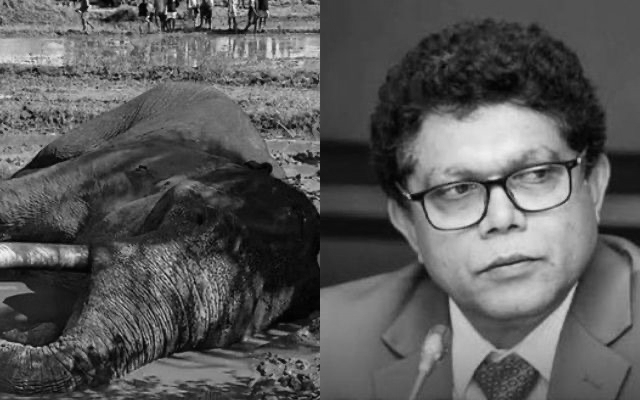
The over-10-foot-tall elephant, known for his unusually long tusks measuring more than six feet, died on October 16 while receiving treatment for a gunshot wound to his right front leg in the Siyambalangamuwa area of Sri Lanka’s northwestern province. His death has triggered widespread public grief and renewed questions about the protection of the country’s wildlife.
In its formal request to the police, the Environment Ministry called for a comprehensive and transparent investigation into whether an organised group or syndicate was involved in targeting wild elephants. It also sought regular updates on the investigation and any legal action taken against those suspected of involvement.
The investigation gained urgency after the Galgamuwa Magistrate’s Court ordered a post-mortem examination on October 17 and directed that the elephant’s remains be buried securely, with provisions to recover the tusks if required. Experts, including specialists from the University of Peradeniya, are expected to help establish the cause of death.
Environment Minister Dhammika Patabendi has also announced an independent investigation into whether mistakes occurred during the elephant’s treatment or whether anyone deliberately harmed him. Samples from the remains are expected to undergo laboratory testing, including through the Government Analyst’s Department and private laboratories. Authorities have promised action if wrongdoing is established.
Kavanthissa had been receiving veterinary care since September 24. Although the leg wound reportedly showed signs of improvement, his condition deteriorated after he stopped eating and developed further complications, including diarrhoea and severe dehydration. He was found collapsed in a paddy field on October 16 and died at around 6.18 pm despite efforts by veterinary teams.
His death has prompted criticism from environmentalists and wildlife enthusiasts, who have raised questions about the shooting, the treatment provided and whether adequate protection was available. As of October 18, no conclusive public finding had established who shot the elephant or whether negligence contributed to his death. These questions remain subject to investigation.
Meanwhile, the Department of Wildlife Conservation is working with the Sri Lankan police, armed forces and Special Task Force to curb illegal elephant killings and strengthen wildlife law enforcement. The Environment Ministry has stressed that investigators must determine whether Kavanthissa’s death was an isolated incident or part of a broader, coordinated pattern of attacks on wild elephants.
Kavanthissa roamed the Galgamuwa region and was admired across Sri Lanka for his imposing stature and exceptionally long tusks. His death has renewed calls for stronger wildlife protection measures and greater accountability in cases involving harm to protected animals.