
Sri Lanka Eases Return Of Refugees From India With New Immigration Measures
Sri Lanka has approved new immigration measures to make it easier for Tamil refugees in India to return home, removing a key legal hurdle for thousands who fled the island during its decades-long civil war.
The special arrangements will apply to Sri Lankan nationals returning voluntarily with assistance from the UNHCR. The move is aimed at refugees who left Sri Lanka without valid passports or through unauthorised routes during the conflict.
Under the new rules, Sri Lankan nationals who left before August 1, 2006 without passports will undergo screening by the State Intelligence Service. Those cleared of accusations involving murder, treason and other specified offences can enter Sri Lanka through an authorised airport or port using temporary passports.
They will also be protected from legal proceedings under Sri Lanka's immigration law solely because they left the country without valid documents.
The same arrangements will cover those who left between August 1, 2006 and May 19, 2009, when the civil war ended. However, people facing accusations of serious offences will be detained on arrival and handed over to the relevant authorities.
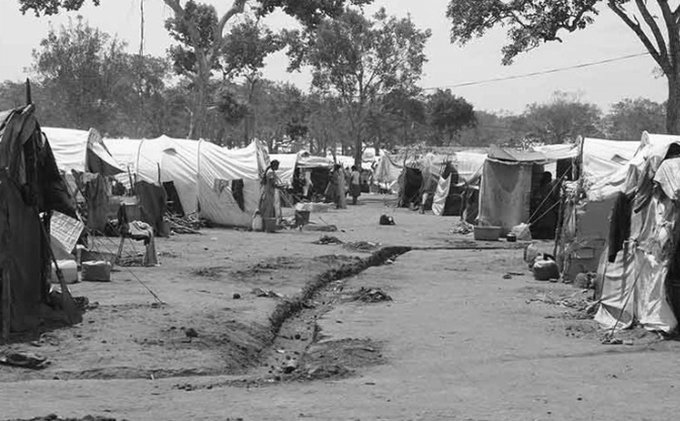
For refugees who have spent decades in India, the decision could ease fears about what awaits them after returning. Many fled to Tamil Nadu after ethnic violence began in 1983 and have since built their lives there. Some have children who were born and raised in India.
The issue gained fresh attention after a 75 year old Sri Lankan Tamil refugee was arrested at Palaly airport in Jaffna in May last year after returning from India. The man had lived for decades in a Tamil Nadu refugee camp and had returned with the required clearances and UNHCR assistance. His arrest raised concerns over the legal risks faced by other refugees considering voluntary return.
UNHCR has facilitated the voluntary return of Sri Lankan refugees from India for more than two decades. Nearly 18,000 refugees returned with UNHCR assistance between 2002 and February 2022.
Sri Lankan government figures show that more than 18,500 people returned from Tamil Nadu between January 2009 and June 2025.
Despite these returns, about 89,000 Sri Lankan Tamils were living in and outside refugee camps in Tamil Nadu in early 2026, according to Sri Lankan government estimates. Around 40 per cent of them were born in India.
For many, returning home after decades will involve more than immigration formalities. Housing, jobs, education, documents, family ties and long term legal status remain major concerns, particularly for those who have little direct connection with the Sri Lanka they left behind.