
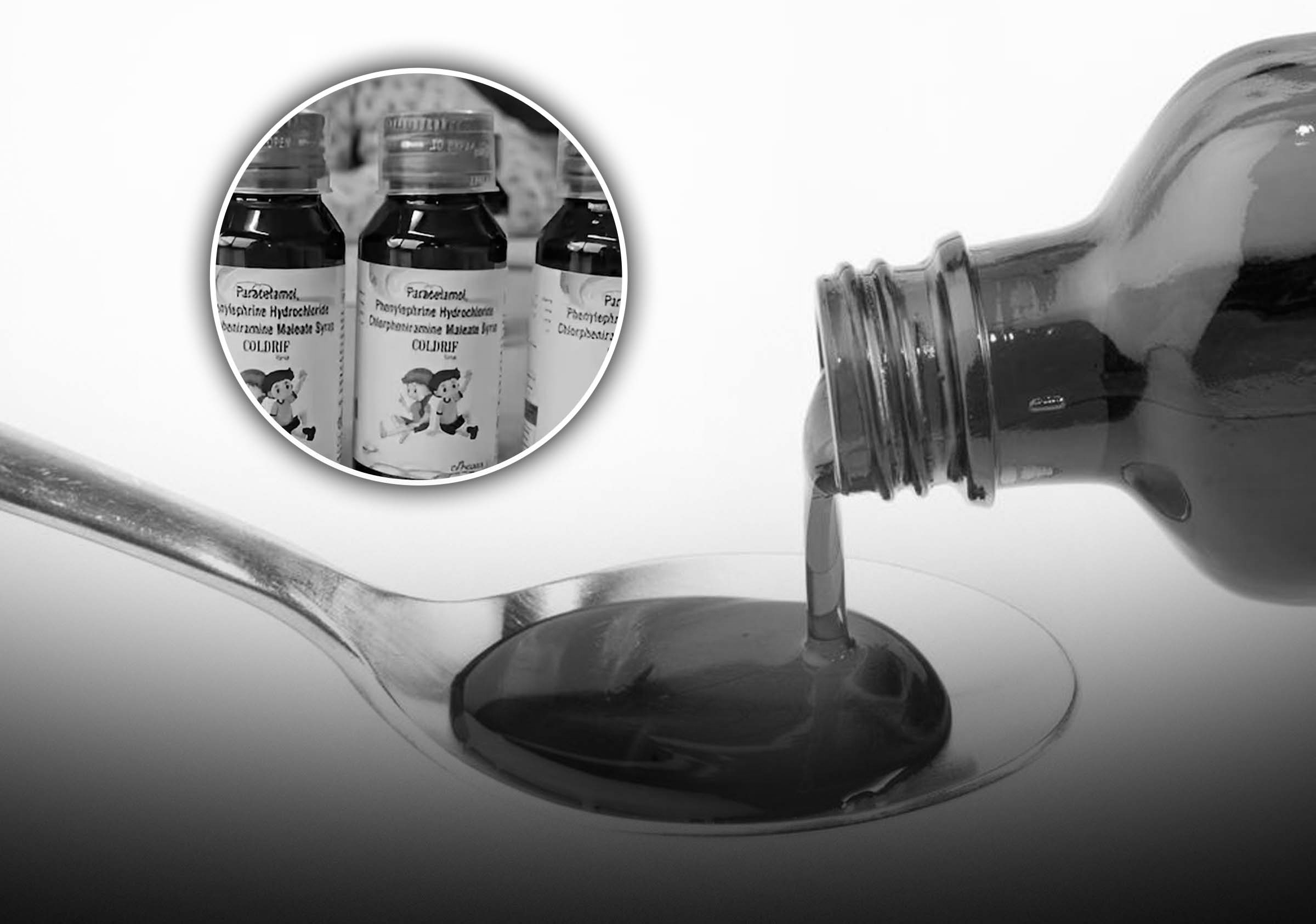
Spoonful of poison: How a deadly cough syrup slipped through the cracks
Tamil Nadu’s decision to cancel Sresan Pharmaceuticals’ manufacturing licence and shut down its Kanchipuram plant came after a tragedy that claimed the lives of at least 22 children in Madhya Pradesh. The culprit was Coldrif cough syrup, found to contain dangerously high levels of diethylene glycol (DEG), a toxic chemical. For grieving families, this syrup was not medicine, it was a spoonful of poison. Yet, the real story goes beyond the ban and arrests: it is a tale of repeated regulatory failures, missed audits, and weak oversight that allowed a lethal product to reach the market.
Investigations have revealed shocking gaps at Sresan Pharmaceuticals. The company had not been audited for nearly 14 years, and it had been operating without a qualified technical head since 2023. Inspections exposed hundreds of violations, including poor hygiene, absence of a quality assurance department, and no standard operating procedures for testing, batch release, or recalls. Such lapses explain how a toxic contaminant like DEG could slip into medicine intended for children.
According to Indian law under the Drugs and Cosmetics Act, 1940, and the Drugs and Cosmetics Rules, 1945:
• All pharmaceutical manufacturers must employ a qualified technical head responsible for quality control and compliance. Sresan was operating without one for two years.
• Every batch of medicine must undergo mandatory testing for quality and safety before release. The company lacked proper testing protocols and a quality assurance department.
• Inspections are legally required to be regular, risk-based, and documented. In this case, inspections were sporadic, reactive, and failed to detect hundreds of violations.
• Proper staffing, hygiene standards, and record-keeping are mandatory. Sresan failed on all counts, including operating without trained personnel and lacking standard operating procedures for batch release or recalls.
Three systemic flaws allowed the syrup to continue being manufactured unchecked. First, state-level oversight often relies on paperwork rather than thorough review, creating blind spots that let companies operate without real scrutiny. Second, companies can technically function without a designated authorised person overseeing batch quality. Third, state inspections are sporadic, mostly reactive, and rarely risk-based. In short, the system reacts after tragedies occur, rather than preventing them.
The response from affected states has been swift but also revealing. Madhya Pradesh launched criminal investigations, filed FIRs, detained Sresan’s owner Ranganathan, and ordered mandatory testing for DEG in all pharmaceutical products sold in the state. Rajasthan, which reported child deaths linked to the syrup, conducted its own inquiries and ordered testing of similar formulations. Both states moved to tighten surveillance and recall suspect batches.
Meanwhile, a PIL seeking a CBI probe into the case was dismissed by the Supreme Court. Solicitor General Tushar Mehta argued that state authorities were fully capable of handling the investigation, and the bench agreed. This decision places the burden of accountability squarely on state drug regulators and the Drugs Controller General of India (DCGI). Critics, however, warn that relying on the very agencies that failed for over a decade risks uneven investigation and weak enforcement.
The reality is stark: when inspectors finally entered the Kanchipuram plant, they found 364 violations. Yet the question remains, why did it take 22 child deaths for these lapses to surface? Why was the company operating without a head for two years? Why were regular audits never conducted? Cancelling one licence and arresting one individual is not enough. India needs structural reforms: mandatory third-party testing, public disclosure of inspection reports, a national database linking state licences to CDSCO oversight, routine unannounced inspections, and fast, transparent recall mechanisms.
The Coldrif tragedy echoes past failures. In 2022, Maiden Pharmaceuticals in Haryana produced contaminated syrups that caused child deaths in Gambia. Despite warnings, systemic weaknesses persisted, allowing a similar tragedy to repeat on domestic soil.
Immediate actions, licence cancellation, raids, arrests, and state inspections, are necessary, but India’s drug regulatory system requires deeper reform to prevent future disasters. Until oversight is strengthened, every medicine carries a hidden risk. For grieving families, Coldrif was never a cure; it was a spoonful of poison, and unless governance is truly repaired, that phrase will remain chillingly literal.