
Spain PM Sanchez Calls November 29 Election After Housing Measures Defeated
Spanish Prime Minister Pedro Sanchez has called a snap general election for November 29, bringing Spain’s national vote forward after his minority government suffered a major parliamentary defeat over emergency measures aimed at tackling the country’s worsening housing crisis.
Sanchez announced the election on Monday after a weekend of consultations with members of his Cabinet, the Spanish Socialist Party (PSOE) and parliamentary allies. He said he had decided to dissolve Parliament and seek a fresh mandate, acknowledging that his government had not achieved everything it had set out to do.
The election follows Parliament’s rejection on Friday of two government housing decrees. The measures included restrictions on evictions of vulnerable tenants, automatic renewal of some rental agreements, regulation of temporary and room rentals and steps to curb property speculation.
The decrees were defeated after the opposition Popular Party (PP) and far-right Vox joined forces with Catalan separatist party Junts, whose support has been crucial to Sanchez’s minority government. Junts argued the measures could worsen the rental market, while the PP has said increasing construction is a better response to the housing shortage than greater regulation.
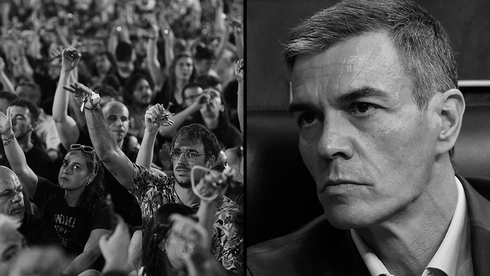
The parliamentary defeat came amid growing public anger over housing costs. Protests have spread to more than 50 Spanish cities, including Madrid, Barcelona, Valencia, Seville and Malaga. Tens of thousands of people have demanded lower rents and stronger tenant protections, while protest camps have appeared in central Madrid and Barcelona.
The movement intensified after the televised eviction of 87-year-old Maria del Carmen Abascal from the Madrid apartment where she had lived for about 70 years. Her case became a symbol of Spain’s housing crisis, with reports saying the investment fund that owned the property had sought a rent increase of about 230%.
Sanchez, who has been prime minister since 2018, also faces broader political pressure over a migration crisis in Ceuta and several legal cases involving figures close to his Socialist Party and members of his family. The November 29 election will now determine whether his government can secure a stronger parliamentary mandate.