
SMRs at Sea: IAEA’s New ATLAS Initiative Tackles Nuclear Shipping and Offshore Power
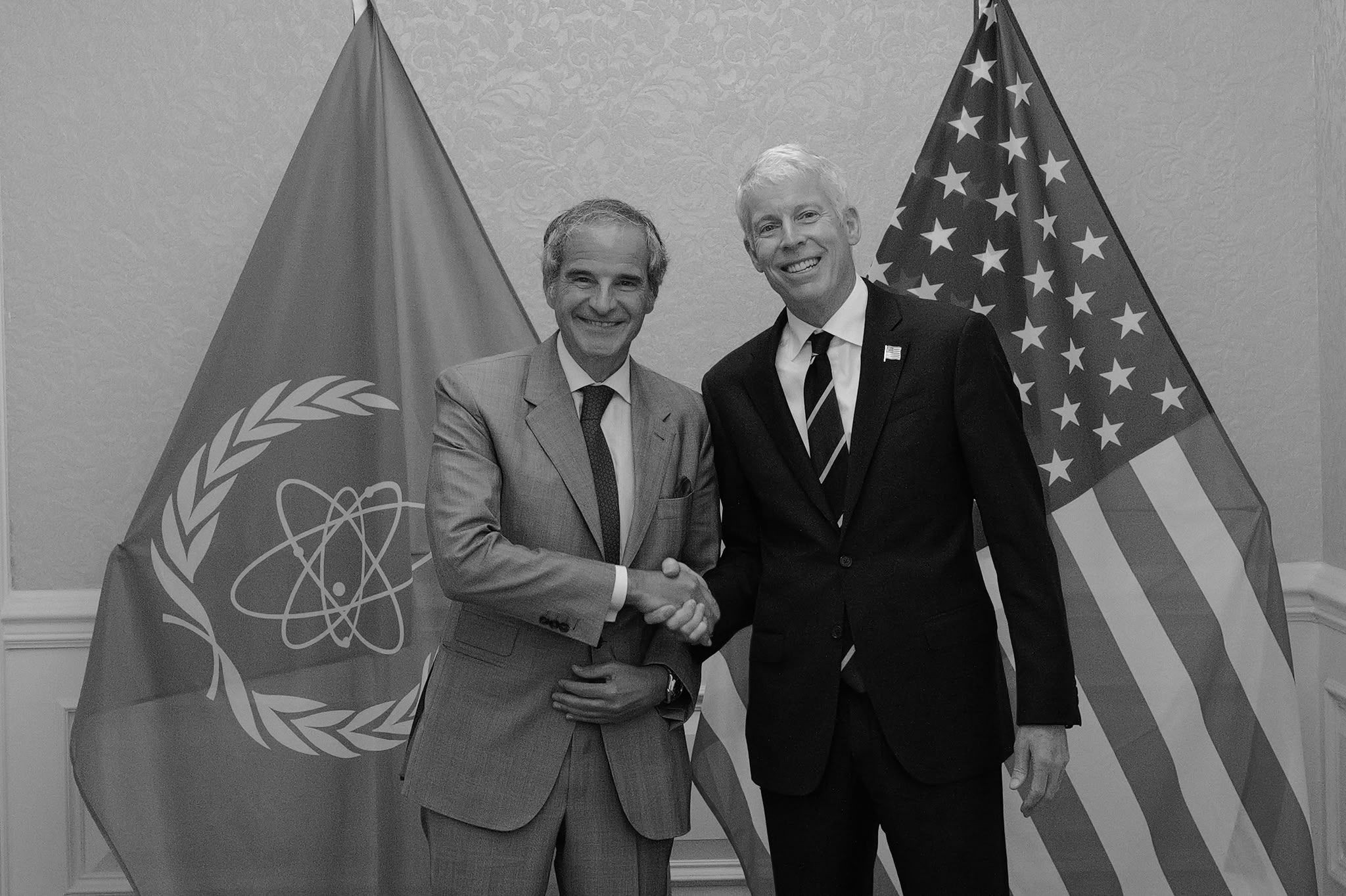
The IAEA’s new ATLAS initiative could advance civilian nuclear power at sea, bringing small modular reactors (SMRs) into discussions about commercial shipping and offshore energy. Launched in Washington on August 26, ATLAS Atomic Technologies Licensed for Applications at Sea aims to support the safe, secure and peaceful development of maritime nuclear technologies.
The initiative comes as the shipping industry seeks alternatives to fossil fuels, while countries look for reliable energy and energy security. SMRs could generate electricity and propulsion power aboard civilian vessels, allowing ships to operate longer without frequent refuelling. Their high energy density could support long operations with zero operational emissions.
Beyond ships, SMRs could be deployed on floating nuclear power plants (FNPPs). These platforms could supply electricity and heat to coastal communities, offshore industries and remote areas. Nuclear-generated power could support production of alternative fuels such as hydrogen, expanding its role in the maritime energy transition.
However, the benefits come with complex challenges. ATLAS is intended to help governments and industry address gaps in legal and regulatory frameworks, while improving coordination between nuclear and maritime authorities. Countries must determine how reactors and vessels are licensed, which laws apply at sea, and how responsibilities are divided among flag, coastal and port states.
Nuclear safety will require stringent standards covering reactor design, operation, maintenance, emergencies, radioactive waste and decommissioning. Maritime hazards such as collisions, grounding, storms, flooding and fire add another layer of risk.
Nuclear security is equally important, with safeguards needed against theft, sabotage, terrorism and cyberattacks. The IAEA faces the challenge of applying nuclear safeguards effectively to mobile reactors and nuclear material while ensuring peaceful use.
Finally, liability and compensation rules must address accidents involving vessels or floating reactors that could affect multiple jurisdictions. Existing nuclear-liability arrangements may not neatly fit mobile installations.
ATLAS does not itself approve commercial nuclear ships. Instead, it seeks to create an international roadmap. Its success will depend on harmonising safety, security, safeguards, maritime regulation and liability while maintaining confidence.