
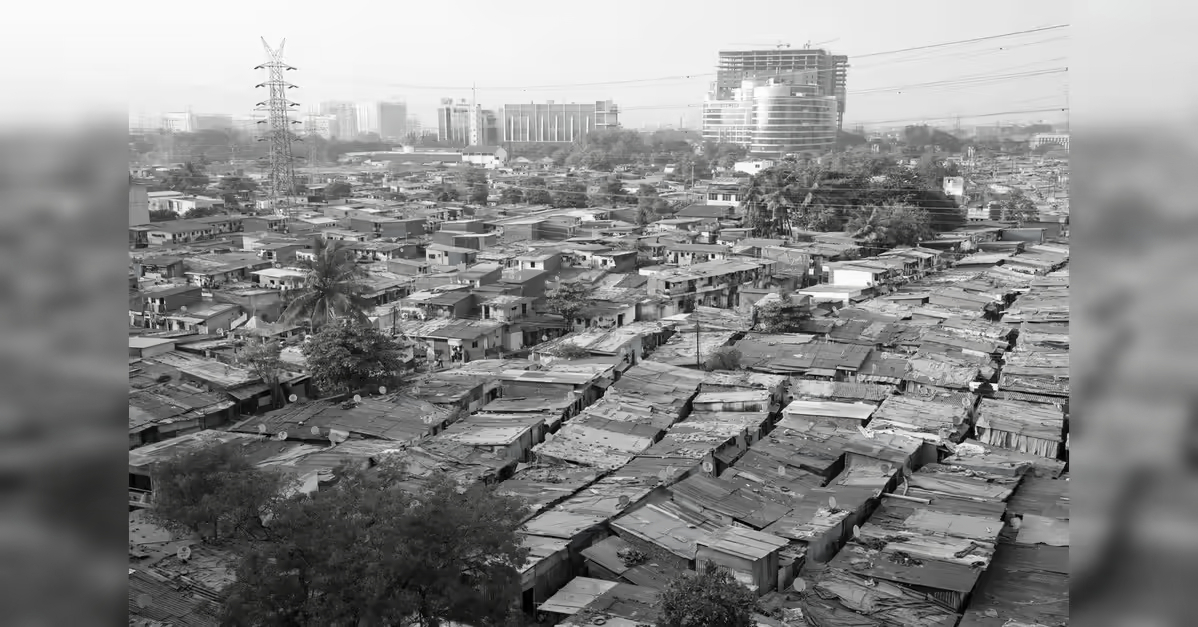
Slum-free Mumbai push gains momentum, but structural challenges persist
The Maharashtra government has intensified its push to transform Mumbai into a slum-free city through an expanded redevelopment framework that combines private sector participation, policy reforms, and technology-driven monitoring. The latest measures, announced by Deputy Chief Minister Eknath Shinde, aim to accelerate stalled housing projects while preventing the emergence of new informal settlements.
At the core of Mumbai’s redevelopment strategy is the model implemented by the Slum Rehabilitation Authority, which relies on a public-private partnership approach. Under this system, private developers construct free housing for eligible slum dwellers in exchange for development rights that allow them to sell additional real estate in the open market. Agencies such as Maharashtra Housing and Area Development Authority and Mumbai Metropolitan Region Development Authority also play supporting roles in executing large-scale projects.
In a significant policy shift, the government has approved the formation of a Special Purpose Vehicle (SPV) between private developers and Shivshahi Rehabilitation Project Limited to fast-track redevelopment. The SPV is expected to unlock delayed projects by combining state oversight with private sector efficiency. Authorities have also been directed to resolve long-pending schemes and improve coordination among civic and planning bodies.
The redevelopment framework involves identifying slum land, securing consent from a majority of residents, and relocating them to transit housing while construction is underway. Beneficiaries are later rehabilitated into permanent flats, with the latest policy increasing unit sizes to 300 sq ft. Cluster redevelopment of large slum pockets is being promoted to enable better infrastructure planning and economies of scale.
To curb fresh encroachments, the government plans to deploy NETRAM, a digital surveillance system using satellite imagery and GIS mapping to track land-use changes at regular intervals. Additionally, redevelopment projects are expected to incorporate livelihood components, including MSME parks and small-scale industry support, particularly for women.
Despite these initiatives, the slum redevelopment programme continues to face persistent criticism. A large number of projects remain stalled due to financial constraints, regulatory hurdles, and legal disputes, leaving many residents in prolonged transit accommodation. Critics argue that the developer-driven model often prioritises profit-generating components over timely delivery of rehabilitation housing.
Concerns have also been raised over the quality and size of rehabilitation units, which, even after recent revisions, are seen as inadequate for larger families. High-rise resettlement buildings frequently face issues related to maintenance, ventilation, and access to basic services.
Social activists highlight the risk of displacement and loss of livelihoods, as relocated residents may find themselves far from workplaces and established community networks. Eligibility criteria further exclude sections of slum dwellers who lack formal documentation, leaving them vulnerable to eviction without compensation.