
Skin Donation Crisis Deepens in India as Burn Patients Face Critical Shortage
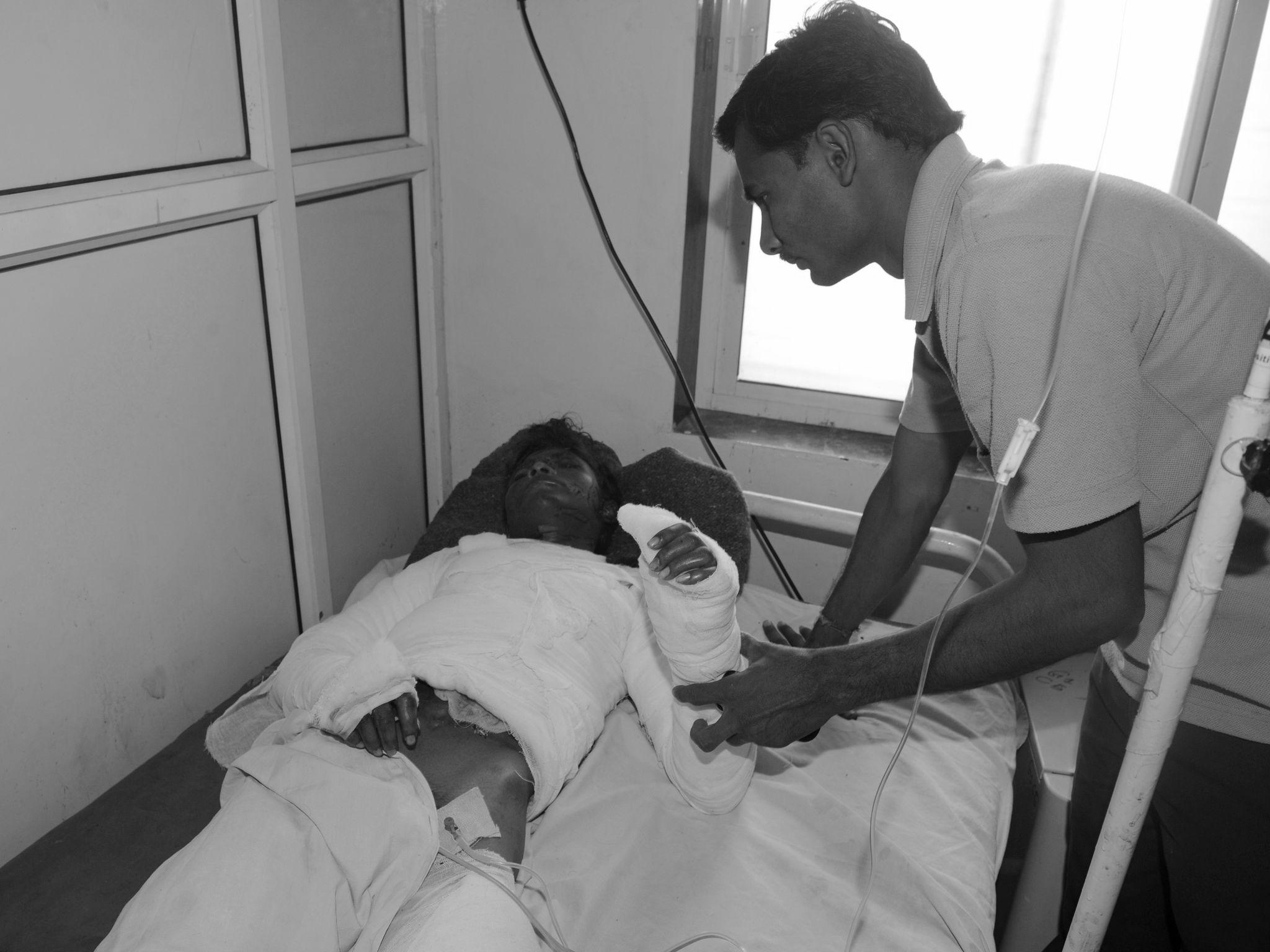
India’s burn care system is under renewed scrutiny after doctors and experts flagged a critical shortage of skin donations , warning that low awareness continues to cost lives. Fresh concerns were raised this week by the National Burns Centre (NBC), which highlighted a widening gap between demand and availability of donor skin, particularly in urban centres like Mumbai.
Health experts say that while blood donation campaigns have gained nationwide traction, skin donation remains a lesser-known and misunderstood practice , limiting participation. This gap has serious consequences for burn victims who rely on timely skin grafts for survival and recovery.
According to NBC director Sunil Keswani, Mumbai alone requires around 150 skin grafts every month , but receives donations from only about 30 individuals , meeting just 25% of the need . The situation has remained largely stagnant over the years, with even organ donor families often opting out of skin donation due to misconceptions.
The crisis reflects a larger national burden. India records nearly 70 lakh burn injuries annually , with around 1.4 lakh deaths , and experts estimate that up to half of these lives could be saved with adequate access to donated skin.
Medical professionals stress that skin grafting is a life-saving intervention , not merely cosmetic. In severe burns, the body loses its natural barrier, exposing patients to infections, fluid loss, and organ failure . Donated skin acts as a temporary protective covering , helping stabilise patients and allowing their own skin to regenerate during the most critical phase of treatment.
Despite its importance, awareness remains alarmingly low. Experts note that only one in ten people in India are aware of the process of skin donation, with myths about body disfigurement being the most common deterrent. Addressing these concerns, doctors clarify that only a thin layer of skin is removed from areas such as the back or thighs after death, and the body is respectfully restored before being handed over to families.
Skin donation is a simple post-death procedure , carried out within six hours of death (or up to 12 hours if the body is refrigerated). The donated skin is processed and preserved in specialised skin banks , where it can be stored and later used for multiple patients.
India currently has around 35 skin banks , most of them concentrated in western and southern regions, leaving several parts of the country especially the northeast without adequate access. This uneven distribution further widens the treatment gap.
The shortage disproportionately affects young adults aged 15–35 years , many of whom suffer burns due to industrial accidents or domestic incidents . Delayed or unavailable treatment often leads to prolonged hospitalisation, disability, and severe financial strain on families.
To address the crisis, the National Burns Centre has been conducting hundreds of awareness programmes annually and promoting donor registration through outreach initiatives. However, experts emphasise that a larger cultural shift is needed to bring skin donation into the mainstream similar to the transformation seen in blood and organ donation campaigns.
As India continues to battle a high number of burn injuries, doctors warn that bridging the awareness gap is no longer optional. Increasing participation in skin donation could significantly reduce mortality, improve recovery outcomes , and offer a second chance at life to thousands of burn survivors each year.