
SK and AWS build South Korea's largest AI data center in Ulsan
Dozens of workers and heavy machinery were seen actively engaged in foundation work at the SK AI Data Center construction site in Ulsan’s Mipo Industrial Complex, signaling the start of one of South Korea’s most ambitious data infrastructure projects. The facility, developed jointly by SK Group and Amazon Web Services (AWS), is expected to be completed by 2027 and will stand as the nation’s largest AI-dedicated data center.
Massive scale and high-performance design :
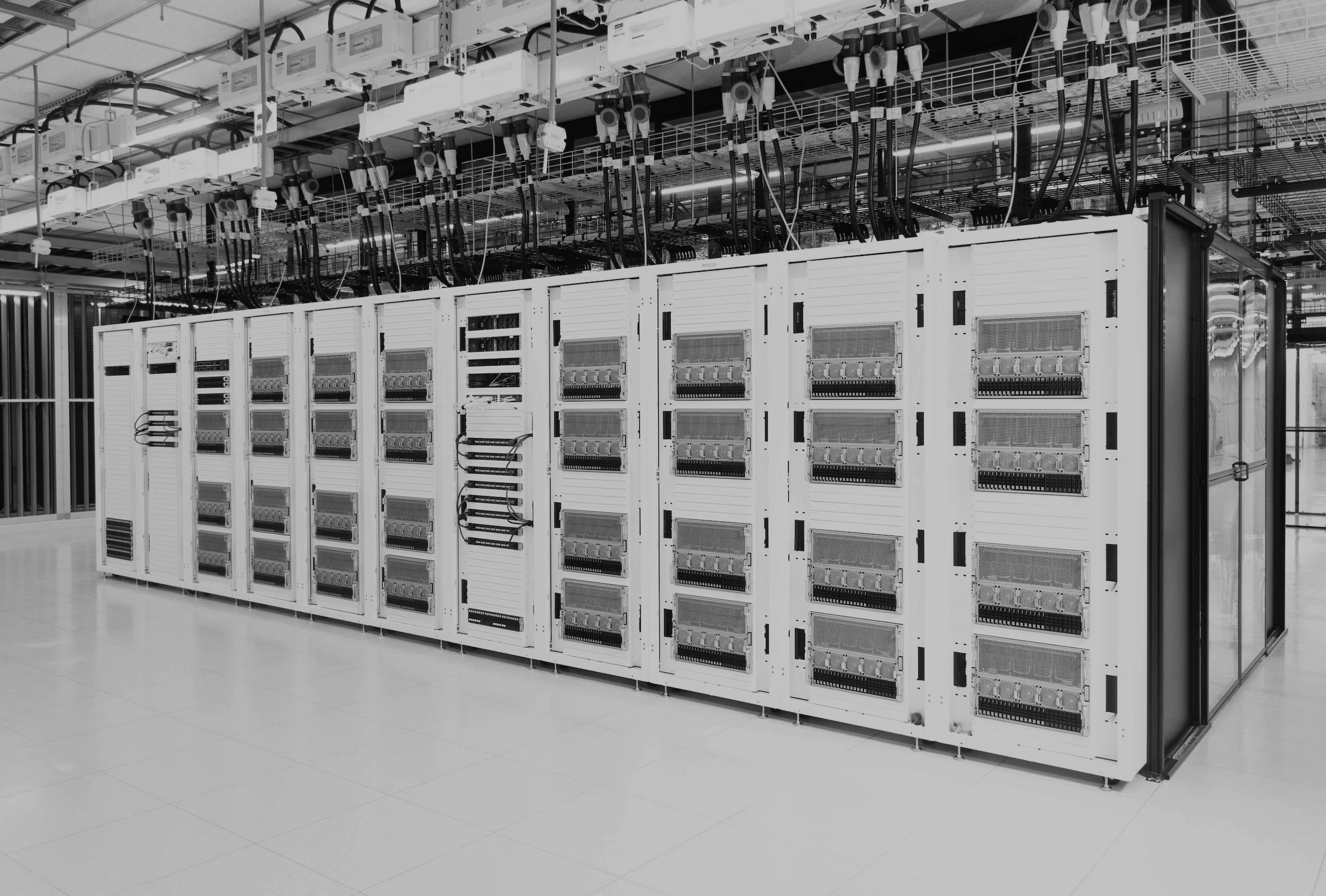
The Ulsan facility spans over 66,000 square meters and is being constructed as a five-story complex with a height of 47.7 meters. Once operational, it will house up to 60,000 graphics processing units (GPUs), a capacity more than 60 times greater than that of SK Telecom’s existing “Haein” cluster, which operates around 1,000 GPUs. The center is expected to handle large-scale AI model training, cloud-based inferencing, and big data analytics for both SK Group and AWS clients in Asia-Pacific.
Advanced cooling and power infrastructure :
To address the significant heat output of GPUs and MPUs, a hybrid cooling system combining air and direct liquid cooling (DLC) has been implemented. In this system, a coolant flows directly over high-performance chips, ensuring precise temperature regulation. According to SK ecoplant officials, this infrastructure has been engineered to manage ten times the thermal load of conventional CPU-based data centers, ensuring stability during complex AI workloads.
SK Group has also leveraged internal synergies across its subsidiaries to build a reliable power network, capable of maintaining uninterrupted operation. Renewable energy integration and waste-heat recycling systems are being studied to align with SK’s groupwide Net Zero 2040 initiative, although specific renewable energy sourcing plans have not yet been disclosed.
Collaboration with AWS and strategic significance :
The project has been positioned as a strategic partnership between SK and AWS to advance Korea’s AI competitiveness. AWS CEO Matt Garman personally inspected the Ulsan site during his recent visit for the APEC CEO Summit, highlighting the project’s global relevance. It was stated that AWS would provide cloud infrastructure expertise, while SK would focus on local operations, hardware integration, and energy management.
Industry analysts view the data center as part of SK Group’s broader AI ecosystem strategy, which includes investments in semiconductors, telecom infrastructure, and generative AI applications. The collaboration with AWS is expected to strengthen both firms’ positions in Asia’s high-performance computing (HPC) and AI-as-a-service (AIaaS) markets.
Economic and regional impact :
Local government officials expect the Ulsan AI Data Center to generate thousands of construction and operational jobs, while also stimulating demand for local suppliers and energy providers. The project is anticipated to position Ulsan as a national AI and data hub, complementing its existing industrial strengths in manufacturing and energy.
Data security and compliance :
The facility will reportedly comply with Korea’s Personal Information Protection Act (PIPA) and international cloud security standards, although detailed cybersecurity frameworks have not yet been disclosed. Industry sources expect sovereign cloud partitions to be introduced for public-sector clients, given AWS’s prior experience with such models in other countries.
Market context and competitive landscape :
The Ulsan project arrives at a time when South Korea’s cloud and AI infrastructure race is intensifying. Naver Cloud, Kakao Enterprise, and LG CNS are already expanding their GPU clusters, while the Korean government has announced plans for national AI supercomputing centers. Analysts believe the SK–AWS venture could give South Korea a critical advantage in foundation model development, potentially reducing reliance on overseas computing infrastructure.
Investment scale and future phases :
Though investment figures have not been officially revealed, market estimates suggest a multi-trillion-won investment will be required for construction, hardware acquisition, and operational systems. The project is expected to be executed in phased expansions, with GPU installation and testing beginning as early as 2026.