
Six Months of Gaza Ceasefire: A Silent War and an Incomplete Peace
The Gaza ceasefire agreement, which came into effect on October 10, 2025 , has completed exactly six months. Yet, the milestone has largely gone unnoticed, mainly due to the ongoing Iran conflict and a fragile ceasefire process there. Although large-scale bombardments in Gaza have ceased, the region continues to struggle under the shadow of war. The Palestinian territory, home to nearly 2 million people , remains gripped by uncertainty. While gunfire has subsided, peace remains elusive .
The ceasefire has merely halted airstrikes but failed to resolve core issues. Key tasks such as disarming Hamas , ending its two-decade rule, and deploying international stabilisation forces remain pending. Above all, reconstruction of war-ravaged Gaza has yet to begin. Residents currently depend on limited aid entering through a single crossing under Israeli control.
The approach of the U.S. President Donald Trump to peace negotiations is under scrutiny. Critics argue that his strategy focuses only on halting immediate violence, leaving long-term challenges unresolved. Analysts warn that this model of “incomplete peace” seen in Gaza could be replicated in the Iran conflict. However, with multiple global powers involved in Iran, it remains uncertain whether such a partial agreement can be imposed.
The U.S.-led “Board of Peace,” backed by $7 billion , has become inactive. Just nine days after its first meeting, U.S.-Israel strikes on Iran began, and the board has not reconvened since. There has been no response from Hamas on proposals to disarm. As per the terms, Hamas is expected to abandon armed resistance, but its core ideology of opposing Israel has stalled progress.
The U.S. has not set any deadline for Hamas to respond, weakening the peace process. Without timelines, pressure on both sides remains minimal, leading to delays. Meanwhile, global diplomatic efforts are diverted to other conflict zones due to the Iran war. Addressing the United Nations , Board of Peace Director Nikolay Mladenov warned that the world must not forget Gaza amid emerging conflicts. The region now stands at a crossroads renewed war or a new beginning .
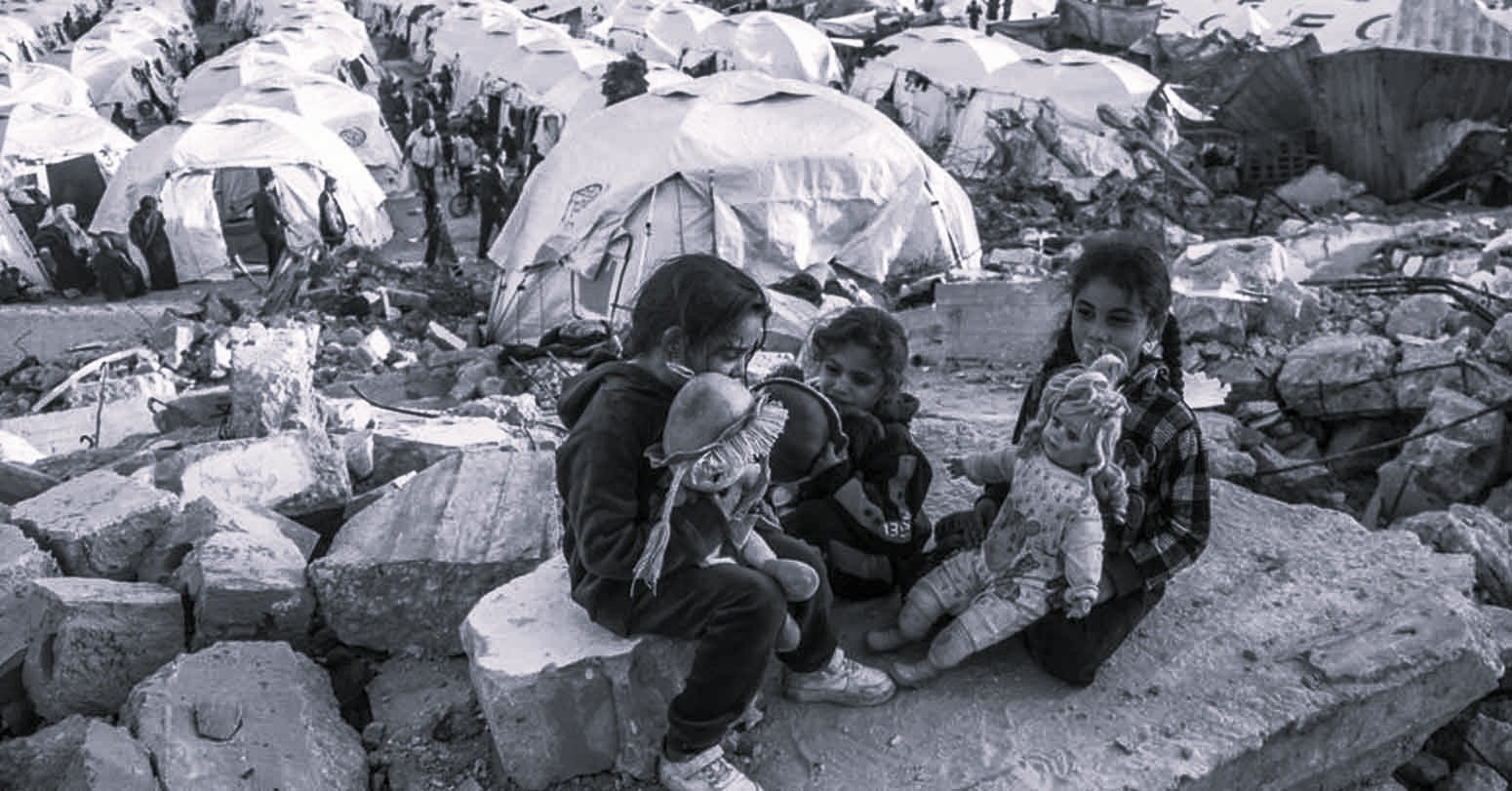
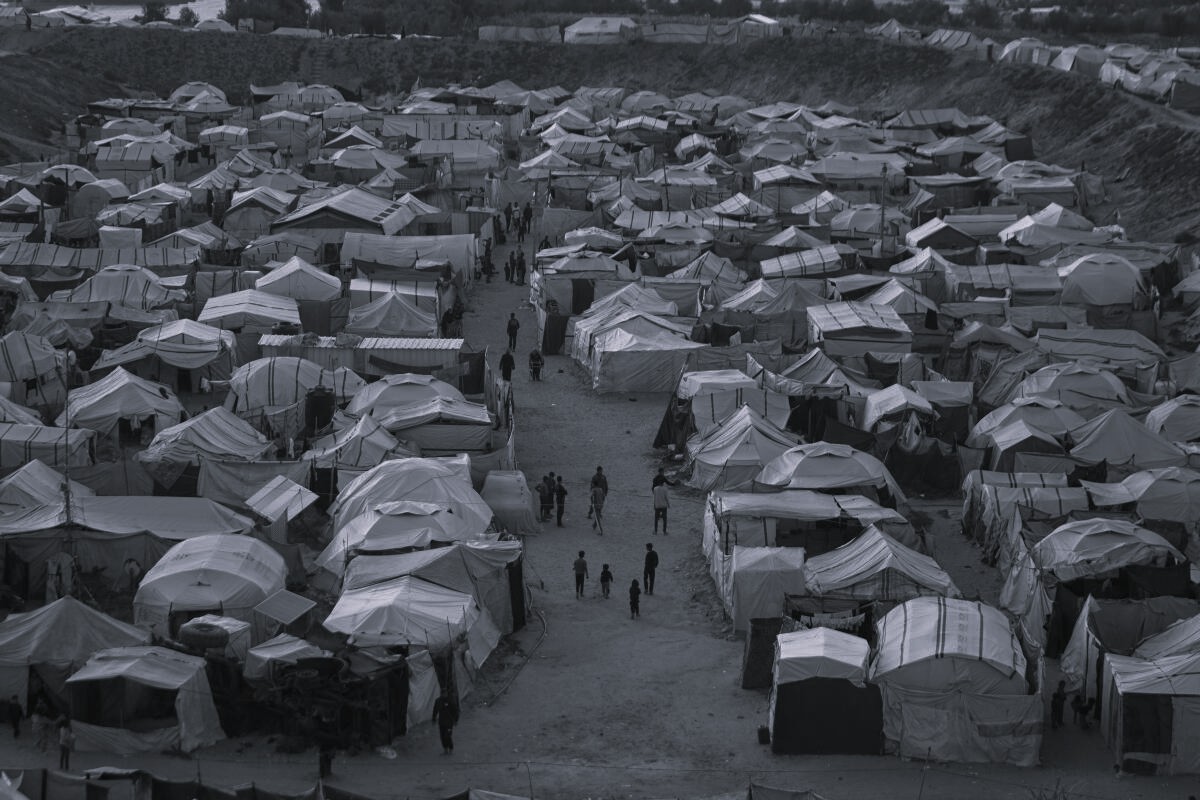
For Palestinians, the ceasefire feels like a farce. Though bombings have stopped, daily life has not improved. A majority still live in tents or damaged structures , with limited access to healthcare and essentials. International health organisations report worsening conditions compared to six months ago.
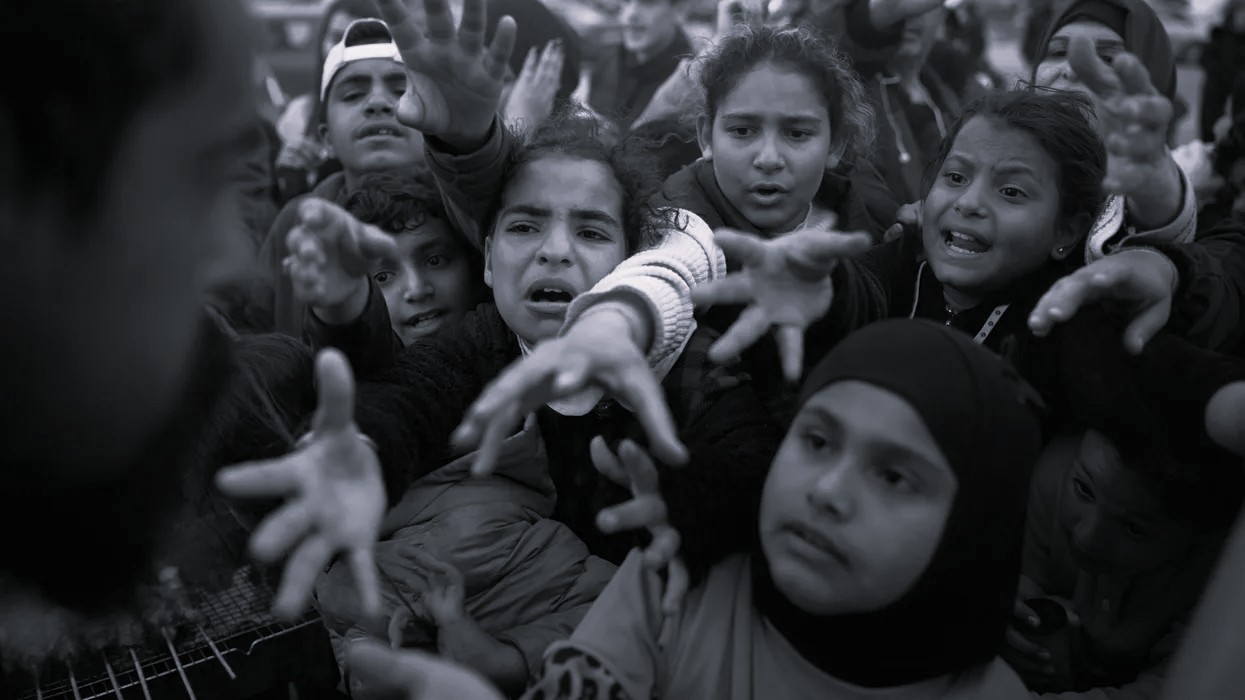
Five international NGOs have stated that the U.S.-proposed 20-point ceasefire plan has failed in delivering humanitarian aid. In the first two weeks of March 2026 , aid truck entries dropped by 80% , causing prices of essential goods to soar. Medical evacuations have also stalled. With global attention shifting to Iran, supply lines into Gaza have weakened.
Life in Gaza camps has become unbearable. “ There is nothing here but pollution and disease. It doesn’t feel like a ceasefire at all, ” said Maysa Abu Jediyan from Beit Lahia. Another resident, Iyad Abu Daga , echoed similar concerns, stating that life remains as harsh as during the war. Children playing amid rubble symbolise an uncertain future.
Despite the ceasefire, sporadic violence continues . Israeli forces open fire near controlled zones, while militants carry out shooting attacks. During the six-month ceasefire period alone, 738 people have been killed in Israeli strikes, according to Gaza health authorities. Since October 7, 2023 , the total Palestinian death toll has reached 72,317 , highlighting ongoing loss of life despite the truce.
Once a focal point of global protests, Gaza has now faded from attention due to the Iran conflict. The strong diplomatic pressure expected from the U.S. is currently absent, as its focus shifts to Iran and the Lebanon border. This has led Gaza residents to feel increasingly abandoned.
Countries like Egypt and Qatar , which previously mediated peace efforts, are now preoccupied with the economic and political impact of the Iran conflict. As a result, mediation efforts have slowed significantly , raising concerns about prolonged instability.
Clashes between Israel and Hezbollah along the Lebanon border have further complicated the situation. Israel maintains that its ceasefire agreement with Iran does not apply to Lebanon, though it has shown willingness for direct talks. Rising tensions have discouraged international peacekeeping forces from entering Gaza. Incidents involving casualties of foreign troops, including those from Indonesia in Lebanon, have heightened fears.
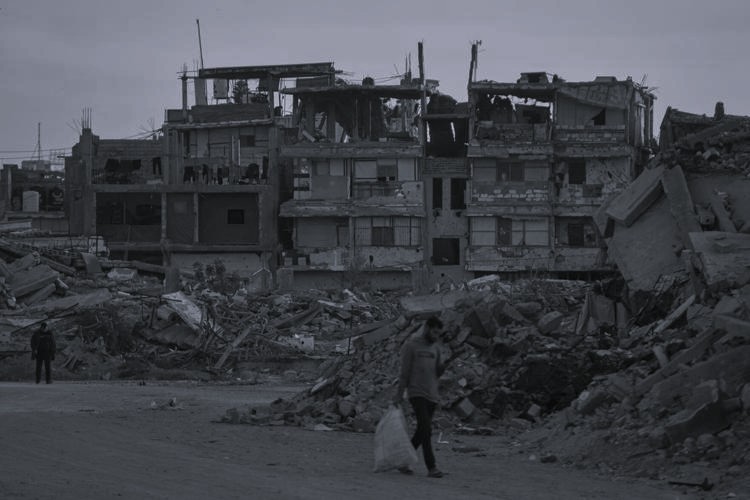
Rebuilding Gaza will require hundreds of billions of dollars , but current global conditions make funding difficult. The promised funds from the Board of Peace remain in early stages. With destroyed infrastructure and no adequate housing, Gaza increasingly resembles an open-air prison .
The key lesson from Gaza is clear: ending a war is not the same as achieving peace . Without clear timelines and enforcement mechanisms, ceasefire agreements risk becoming symbolic, allowing violence to persist beneath the surface. Applying similar incomplete agreements to the Iran conflict may yield little long-term benefit.
Six months of ceasefire in Gaza serve as a warning. While visible violence may have subsided, underlying issues of hunger , instability, and resentment remain unresolved. A lasting solution requires not just cessation of hostilities, but a comprehensive political settlement and sustained humanitarian aid . Ignoring Gaza amid the Iran conflict could trigger another major escalation. The international community must act now to ensure “real peace” in Gaza.