
SIR notices to Amartya Sen, Shami, Dev part of routine electoral process: WB CEO
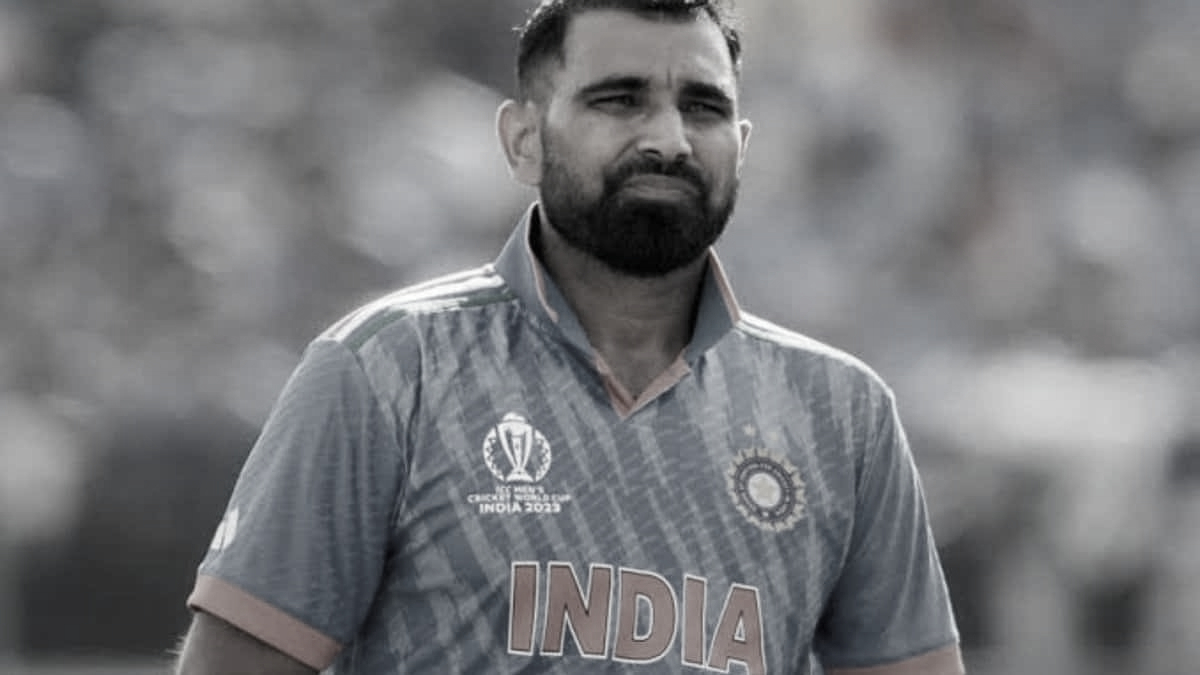
The Office of the West Bengal Chief Electoral Officer (CEO) on Wednesday clarified that the SIR hearing summonses issued to Nobel laureate Amartya Sen , Indian cricketer Mohammed Shami and Bengali actor-turned-Trinamool Congress MP Dev were part of a routine electoral verification exercise and not targeted actions.
The notices to the high-profile individuals had sparked controversy, prompting the CEO’s office to issue a detailed clarification. According to the statement, scrutiny of enumeration forms revealed that mandatory linkage columns were left blank by the concerned electors. As per Election Commission (EC) guidelines, such discrepancies automatically require a hearing.
A Special Intensive Revision (SIR) hearing is part of the Election Commission’s voter roll verification process, conducted when discrepancies such as missing or inconsistent details are found in an elector’s enumeration form. In such cases, the system automatically issues a notice for clarification. The elector may be asked to verify documents or appear before the Electoral Registration Officer, while senior citizens or special cases may be verified through home visits by election officials. The process is uniform, rule-based and aimed at ensuring accurate and credible electoral rolls.
“These cases were treated at par with several other similarly placed electors. The issuance of notices followed the standard procedure outlined in the Election Commission’s notifications,” the CEO’s office said in a post on X.
Besides Amartya Sen, Mohammed Shami and Dev, other West Bengal celebrities, including actors Anirban Bhattacharya, Kaushik Banerjee and Laboni Sarkar , were also issued similar SIR notices during the verification drive, reinforcing the Election Commission’s assertion that the exercise was applied uniformly.
Explaining the case of economist Amartya Sen, the CEO stated that his enumeration form, submitted as an overseas elector, was received by a family member, Shantabhanu Sen, who linked him with his mother, Amita Sen. However, the age difference between the elector and the linked family member was found to be less than 15 years, triggering a logical discrepancy on the ERO Net Portal.
“As a result, a notice was automatically generated for Dr Amartya Sen, in parity with other discrepancy cases,” the statement said. Taking note of his advanced age, the CEO’s office added that officials, including the Electoral Registration Officer (ERO), Assistant ERO and Booth Level Officer (BLO), visited his residence to complete the necessary formalities.
The CEO’s office reiterated that the verification process followed in all cases was uniform and strictly in accordance with Election Commission rules, and that the issuance of notices did not involve any special, selective or discriminatory action.