
Singur’s Broken Promise: Where Industry Dreams Turned Into Political Legacy
Singur, located in Hooghly district of West Bengal , was once a lush green agricultural region. It was not just farmland; it became a historic ground where land acquisition, industrial development, farmers’ rights, and political transformation converged in India. Once vibrant with crops, the land today stands partly degraded and partly frozen with incomplete industrial dreams. In 2006 , the then Left Front government invited Tata Motors to set up the manufacturing facility of the world’s cheapest car, the ‘Nano’ , here. Around 1,000 acres of land were acquired by the government. However, allegations of lack of transparency and forced land acquisition turned Singur into a political flashpoint.
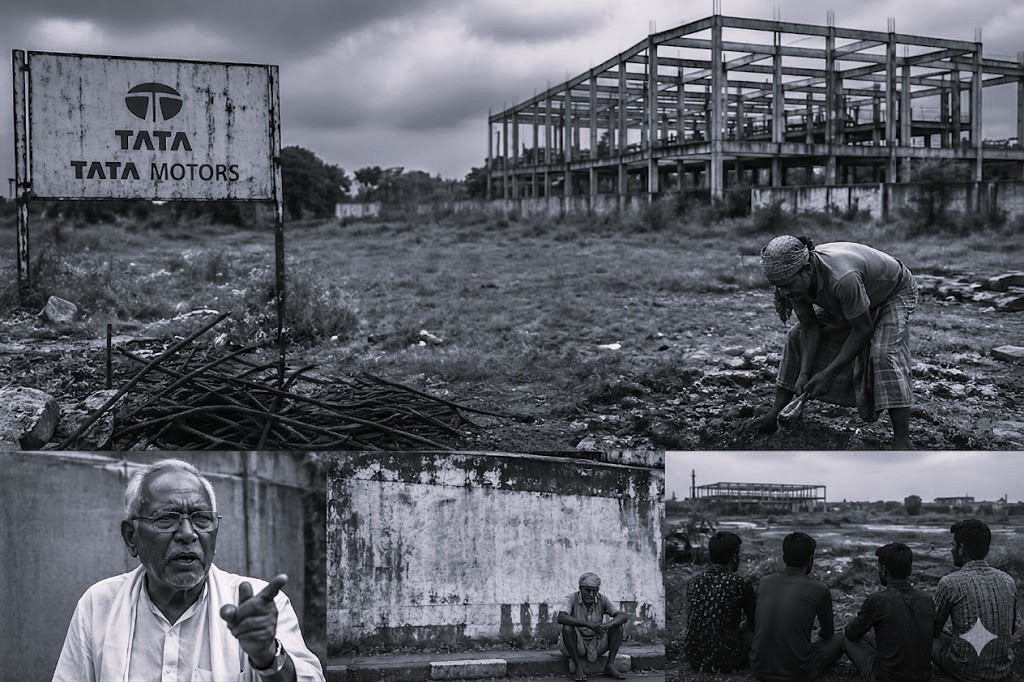
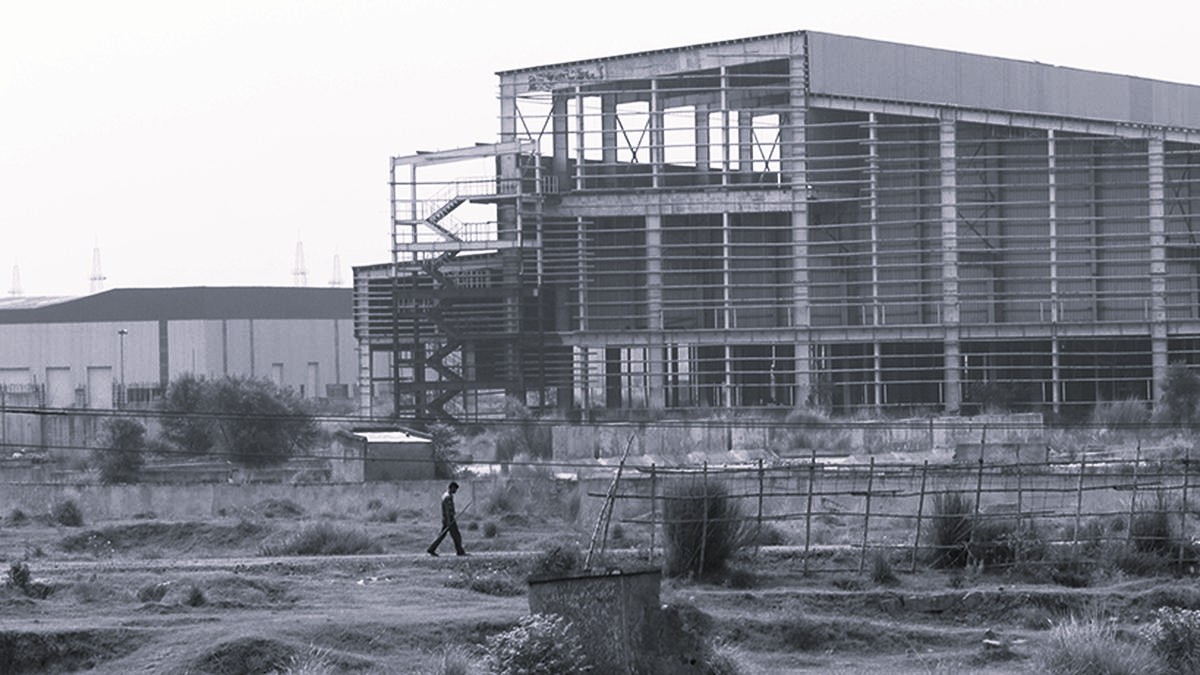
In October 2008 , Ratan Tata announced that the company was withdrawing from Singur due to continuous protests and unrest, shifting the project to Gujarat. This marked a major setback to Bengal’s industrial image, leaving behind half-constructed structures and iron pillars. The protests led by Trinamool Congress chief Mamata Banerjee , under the slogan “Maa, Mati, Manush” (Mother, Land, People) , reshaped West Bengal politics. Her prolonged agitation against land acquisition became a statewide movement against the Left Front. Eventually, after 34 years of Communist rule , the Left Front was voted out in 2011 , and Mamata Banerjee became Chief Minister.
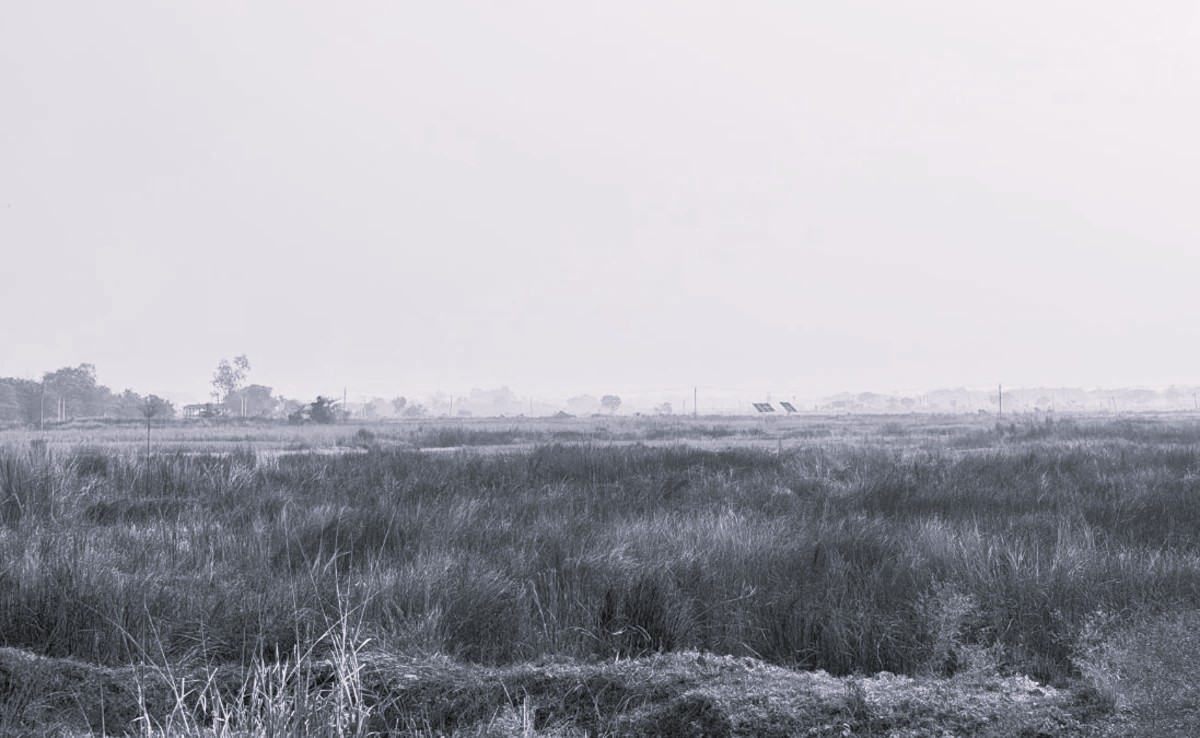
In 2016 , the Supreme Court of India declared the Singur land acquisition illegal and ordered that the land be returned to farmers. The West Bengal government celebrated it as a moral victory and distributed land documents. However, possession on paper did not translate into cultivable land. Due to heavy construction activities, concrete foundations, metal structures, and fly ash filling , the soil lost its natural fertility. Even after years and heavy investment, farmers report that not a single crop has grown , and the land remains barren like ruins.
Earlier, Singur produced potatoes, jute, and vegetables that were even exported to neighbouring states. Today, many farmers have become daily wage labourers , and those who once hoped for factory jobs now send their children to cities like Bengaluru and Mumbai for work. Even key figures of the movement, including veteran leader “Mastermoshai” Rabindranath Bhattacharya , have expressed disappointment. At the age of 93 , he says the present condition of Singur is far from what they had envisioned, and some activists admit that although the movement succeeded politically, it failed socially.
Singur’s youth face an identity and employment crisis , with many trained for industrial work now employed as security guards or drivers . They openly criticise past decisions that, according to them, destroyed their future. Ahead of elections, the region has once again become politically sensitive, with the BJP blaming the TMC government for turning Singur into an industrial desert, while the TMC defends itself by citing farmer land returns and welfare schemes. Locals reportedly salvage rusted iron remains of the abandoned factory and sell them as scrap, reflecting the region’s decline.
The number of voters in Singur has also reportedly decreased, indicating permanent migration for livelihood , with Scheduled Castes and Muslim minorities facing continued economic backwardness. Despite roads and welfare schemes like free rice distribution, residents say these are not substitutes for sustainable development , and promises of cold storage and food processing units remain unfulfilled. The region today reflects three perspectives: an older generation attached to land but suffering due to infertility, a middle-aged group blaming politics for losses, and a youth demanding industrialisation for survival.
Singur has now become a symbol in India’s industrialisation debate , influencing national discussions on land acquisition laws and highlighting the fragile balance between agriculture and industry . What remains is a land of abandoned structures, overgrown weeds, and rusting iron, with the shadow of the Nano factory still present in political debates and farmers’ memories. Singur continues to stand between hope and despair, waiting for its next chapter, which only time will decide.