
Simhachalam: A Spiritual Odyssey Through History, Faith and Mythology
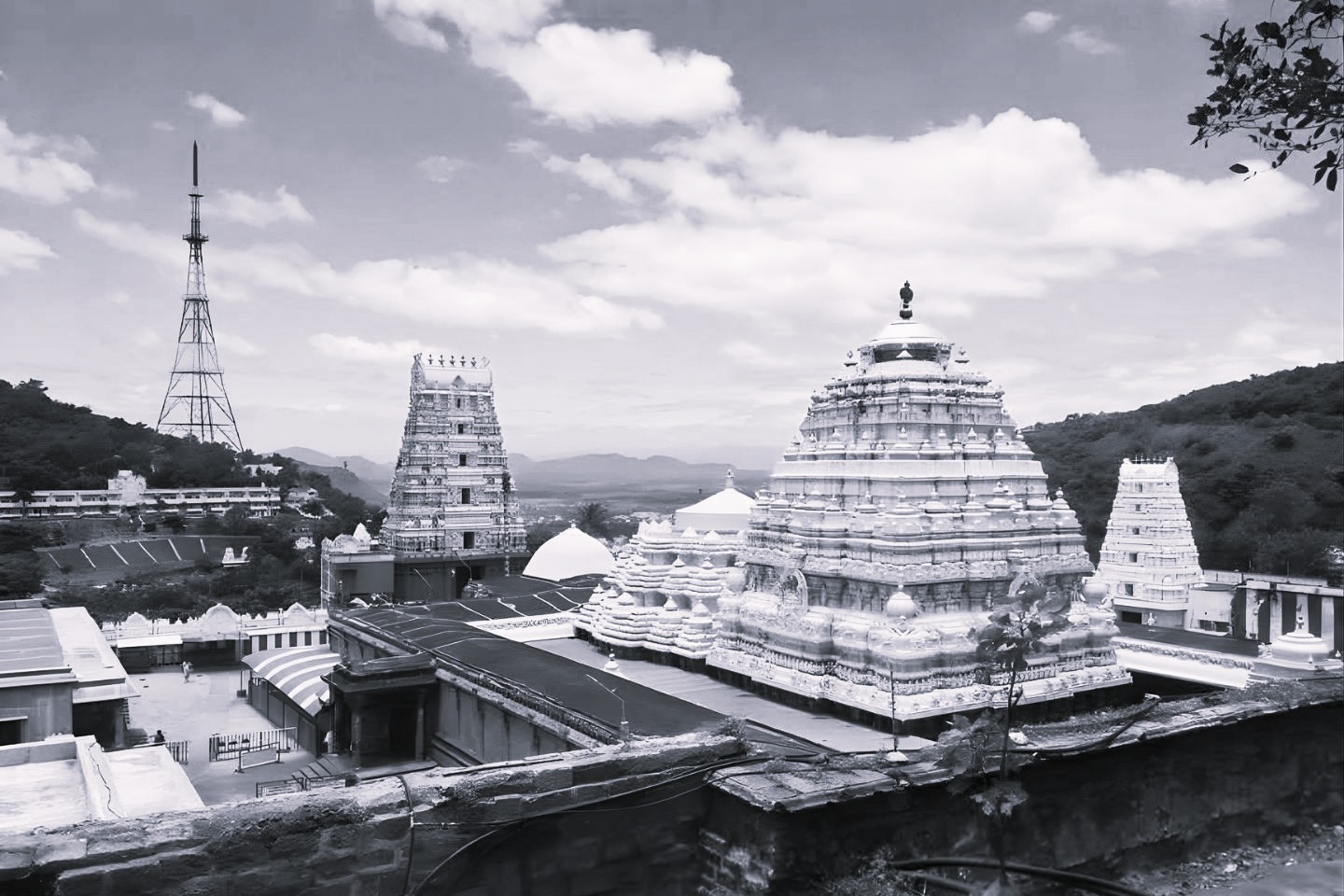
As the first light of dawn spills over the coastal city of Visakhapatnam, the Eastern Ghats awaken in silence. Mist curls gently around the hills, and among them rises one sacred peak that has drawn seekers, saints, and kings for centuries Simhachalam. Perched nearly 800 meters above sea level, this hill is not just a geographical landmark, but a living embodiment of devotion, myth, and timeless tradition.
The very name Simhachalam evokes curiosity Simha , meaning lion, and Achalam , meaning hill. A lion-shaped hill crowned with divinity, it is a place where every stone, every step, and every whisper of wind seems to carry a story waiting to be heard.
The Ascent: More Than Just a Climb
The journey to Simhachalam begins at its foothills, where pilgrims gather with folded hands and hopeful hearts. While a smooth ghat road winds its way upward, many choose a more meaningful path the ancient flight of nearly a thousand steps.
The climb is not easy, but it is not meant to be. As devotees move forward, fatigue blends with faith. The entrance, known as the Bhairava Dwaram, marks the beginning of this spiritual ascent. With every step, the outside world slowly fades away.
Tall trees sway gently, and cool breezes drift through orchards of pineapple, jackfruit, and banana. Birds call out from hidden branches, and the scent of earth fills the air. It is in these moments that the climb transforms it becomes less about reaching the temple and more about discovering something within oneself.
A Tale Rooted in Cosmic Drama
The story of Simhachalam stretches far beyond human history, deep into the realms of mythology. It begins in Vaikuntha, the celestial abode of Lord Vishnu, where two gatekeepers Jaya and Vijaya once stood guard.
A curse changed their destiny, forcing them to be born on Earth as demons. In their first birth, they became the powerful brothers Hiranyaksha and Hiranyakashipu.
Hiranyaksha plunged the Earth into the depths of the ocean, throwing the universe into chaos. In response, Vishnu took the form of Varaha, the mighty boar, and rescued the Earth, defeating the demon in a battle that shook the cosmos.
But the story did not end there.
Hiranyakashipu, burning with vengeance, performed severe penance and earned a boon that made him nearly invincible he could not be killed by man or beast, neither during day nor night, neither on earth nor in the sky.
Yet, in his own palace grew a force he could not control his son Prahlada, a child whose unwavering devotion to Vishnu defied all fear. No matter the torment he faced, Prahlada’s faith never faltered.
Finally, the divine intervened.
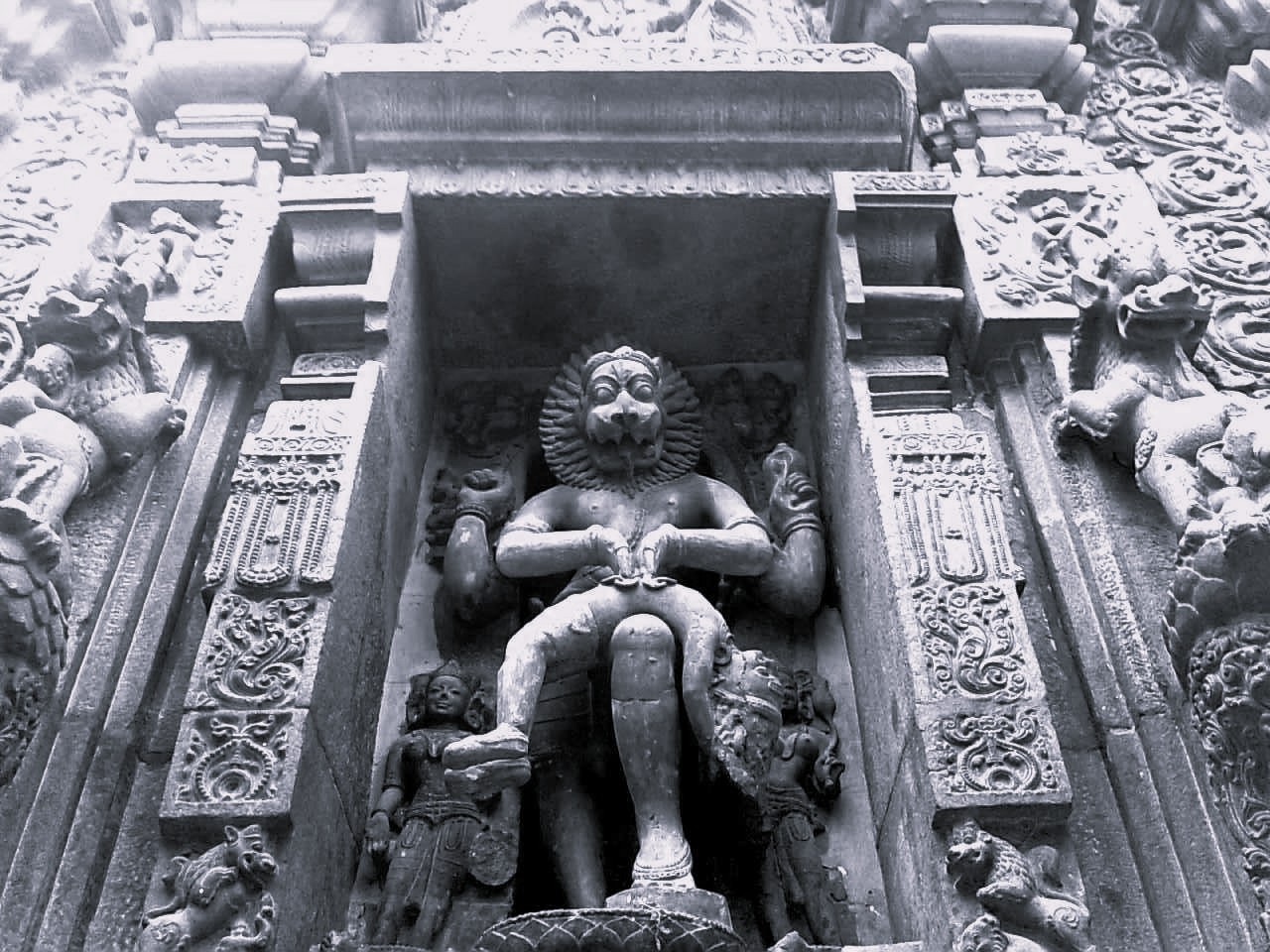
In a moment that transcended logic, Vishnu appeared as Narasimha half man, half lion emerging at twilight, placing Hiranyakashipu on his lap, and ending his reign. But at Simhachalam, the story takes on a unique dimension.
Here, Vishnu is worshipped in a rare combined form Varaha Narasimha symbolizing both protection and destruction, compassion and power. It is believed that Prahlada himself consecrated this form on the hill, making Simhachalam a sacred site of eternal faith.
The Mystery Behind the Sandalwood Veil
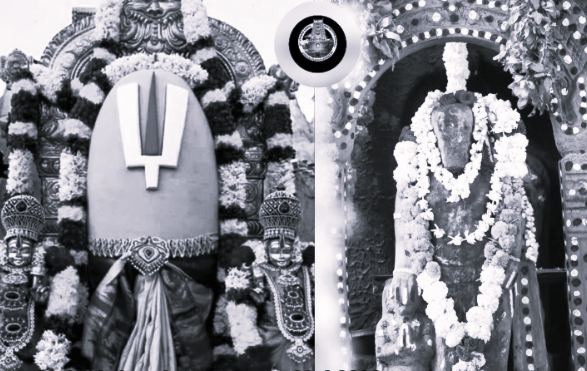
Inside the sanctum, an unusual sight awaits devotees. Unlike most temples where the deity’s form is clearly visible, here it remains hidden beneath layers of sandalwood paste.
For an entire year, the idol appears smooth and serene, resembling a sacred stone rather than a fierce divine form. The reason lies in legend the deity’s intense energy, it is said, is cooled and calmed by the application of sandalwood.
And then comes the most awaited day Akshaya Tritiya .
On this day, the sandalwood covering is carefully removed. For a brief window, devotees witness the true form of Varaha Narasimha radiant, powerful, and awe-inspiring.
This centuries-old tradition traces back to King Pururava, who rediscovered the buried idol and initiated the practice, ensuring that the deity’s energy remained accessible yet controlled.
A Temple That Time Could Not Erase
Simhachalam is not only a spiritual center but also a witness to history. Its walls are etched with over 500 inscriptions, each telling stories of rulers, donations, and devotion spanning more than a thousand years.
The earliest known inscription dates back to the 11th century during the Chola dynasty. Later, the Eastern Ganga rulers gave the temple its grand architectural form. Over time, it received patronage from the Gajapatis, Reddy kings, and the mighty Vijayanagara Empire.
Among the many rulers who visited, Sri Krishnadevaraya stands out. After a victorious campaign, he came here to offer his gratitude, presenting precious ornaments and erecting a victory pillar a symbol of his devotion and triumph.
Even during periods of invasion and destruction, Simhachalam endured. It was rebuilt, protected, and cherished, standing as a symbol of resilience and faith.
Stone That Speaks
Walking through the temple is like stepping into a gallery of living art. The architecture is a harmonious blend of Chola, Chalukya, and Kalinga styles, each contributing to its grandeur.
The walls are adorned with intricate carvings that seem to breathe life into ancient stories Narasimha’s fierce battle, Varaha’s heroic rescue, and countless other divine moments.
The 96-pillared Kalyana Mandapam is a masterpiece in itself, with each pillar narrating a different aspect of Vishnu’s incarnations. Nearby stands the revered Kappam Stambha, a pillar embraced by devotees seeking blessings, especially for children.
Here, faith is not abstract it is something one can touch, feel, and experience.
The Rhythm of Devotion
Life at Simhachalam flows with a steady spiritual rhythm. The day begins before sunrise with sacred chants that awaken the temple. Rituals follow in perfect order offerings, prayers, and ceremonies that continue throughout the day.
The temple’s prasadam, including the famous Simhadri Appanna laddu and pulihora, carries both taste and tradition. Every Thursday, the Swarna Pushparchana adds a golden glow to the proceedings.
Adding to the temple’s mystique is the Gangadhara stream, whose water is used for rituals. Its source remains unknown, believed to flow from within the hill itself.
When Devotion Becomes a Movement
During major festivals, Simhachalam transforms into a sea of humanity.
On Chandanotsavam , lakhs of devotees gather for the rare glimpse of the deity’s true form. The energy is overwhelming, yet deeply moving.
Another extraordinary event is the Giripradakshina , where thousands walk nearly 32 kilometers around the hill under the full moon. It is not just a ritual it is an expression of collective faith.
Festivals like Narasimha Jayanti, Navaratri, and Sankranti bring their own vibrancy, but the devotion remains constant, unshaken.
A Living Legacy
Beyond its spiritual significance, Simhachalam has shaped culture and literature for centuries. It has inspired poets, scholars, and devotees alike, leaving a lasting imprint on Telugu heritage.
Even today, the temple continues to serve society through education, charity, and daily food distribution. It stands as one of the most prominent and revered temples in Andhra Pradesh.
A Journey That Stays Forever
Reaching Simhachalam is simple. But experiencing it is something else entirely.
Whether you climb the steps or drive up the hill, what you carry back is more than memories. It is a quiet strength, a sense of connection, and a feeling that something divine has touched your life.
Because Simhachalam is not just a destination. It is an experience that stays with you like the steady presence of Simhadri Appanna, watching, protecting, and guiding from above.