
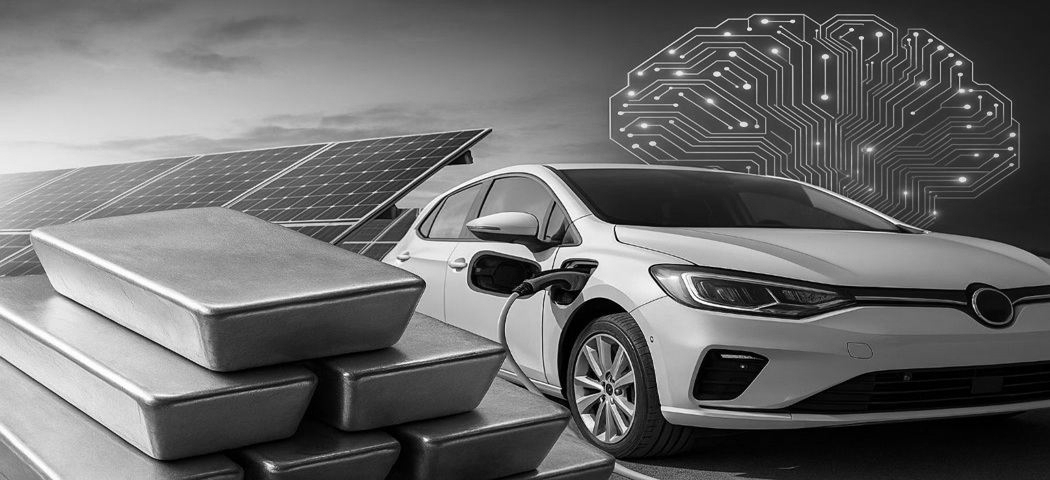
Silver demand in auto sector set to rise as EVs outpace combustion vehicles by 2027
Global demand for silver from the automotive sector is projected to grow steadily at a compound annual growth rate (CAGR) of 3.4 per cent between 2025 and 2031, as the metal plays an increasingly critical role in emerging technologies and the green transition, according to a report by Oxford Economics.
The report highlighted that silver is now being called a "next-generation metal" because of its growing applications in electric vehicles (EVs), renewable energy, and digital systems . Automotive silver demand is forecast to reach approximately 94 million ounces by 2031 .
In 2024, internal combustion engine (ICE) vehicles accounted for 55 per cent of silver use in the sector, while EVs contributed 30 per cent . With the rapid pace of EV adoption, EVs are expected to overtake ICE vehicles as the primary driver of silver demand by 2027 , reaching 59 per cent of the sector’s share by 2031 .
The surge is driven by structural shifts in technology, energy, and transportation . EVs consume more silver than ICE cars because of motors, sensors, control units, wiring, and charging systems . At the same time, growth in solar energy , electronics, and medical and industrial applications is further boosting demand. Limited silver supply from top producers like Mexico, Peru, and China adds upward pressure, pushing prices higher.
India, one of the world’s largest silver consumers, is aligning its strategy to meet this rising demand. EV incentives under the FAME scheme , expansion of solar capacity to 500 GW by 2030 , and growth in electronics manufacturing are increasing domestic silver consumption. Recycling initiatives are helping reduce reliance on imports.
Reflecting these trends, silver prices recently touched an all-time high of Rs 199,000 in the bullion market. Analysts expect EV adoption, renewable energy growth, and electronics expansion to sustain strong demand and elevated prices in the years ahead.
Added context and analysis
The Oxford Economics forecast underlines two forces working together: faster adoption of EVs, which use more silver per vehicle, and an expanding industrial base that needs the metal for solar panels, high-speed electronics and data centres. That twin demand push creates a structural gap if supply does not keep pace.
On the supply side, silver production grows slowly because much of it is a byproduct of copper, lead and zinc mining ; rising demand cannot be met quickly by new mines. This relative inelasticity means shortages or delays in mine output can nudge prices sharply higher, especially during periods of strong industrial investment or speculative flows.
The report also flags important caveats. Average silver usage per vehicle could change if manufacturers consolidate electronic control units (ECUs) or replace silver in certain components with alternatives. Conversely, a faster move to autonomous driving and more sensors per car would push demand above current forecasts. Oxford Economics presents both upper and lower consumption bands for these scenarios, underscoring uncertainty around adoption rates and technology choices.
For India, the implications are practical and immediate. Vehicle and component makers will need to plan supply chains that secure silver-containing parts, while solar and electronics firms should factor metal availability and price volatility into project costs. Policymakers can help by supporting domestic recycling, incentivising local component manufacturing and ensuring transparent import channels so industries do not face sudden shortages.
Investors and market-watchers will also be watching closely. Record bullion prices reflect not just physical demand but also investor sentiment, when industrial outlooks look strong, investor flows and speculative positions can amplify price moves. That makes silver both an industrial commodity and, increasingly, an asset sensitive to macro and technology cycles.
The expected rise in silver demand is not a short-lived spike but a structural shift tied to electrification, renewables and digitalisation. How fast prices move will depend on the balance between manufacturing choices (like ECU consolidation), mine supply and recycling efforts, and on policy choices that shape India’s domestic production and import resilience.