
Should PM Modi Be Travelling to Israel Amid Imminent Escalation of US and Israeli Tensions with Iran?
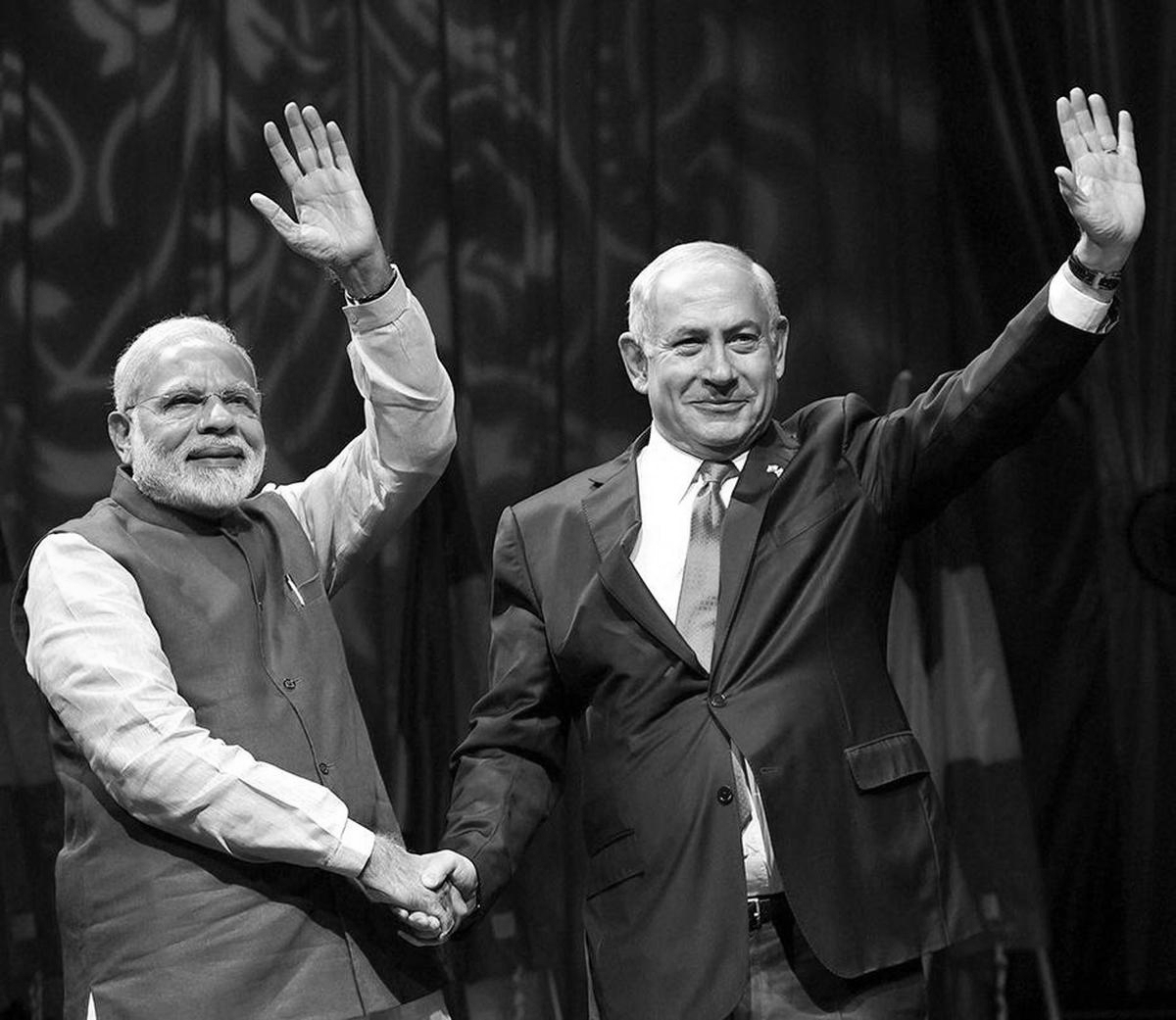
Prime Minister Narendra Modi is scheduled to travel to Israel on February 25 and 26 , even as tensions between the United States , Israel , and Iran show signs of imminent escalation across West Asia.
The timing of the two day visit has sparked debate amid a rapidly deteriorating regional security environment. India on February 23 advised its nationals in Iran including students, pilgrims, businesspersons and tourists to leave the country by all available means , citing an evolving security situation and renewed protests in Tehran. While the advisory officially referred to demonstrations and precautionary measures, such advisories are typically issued after wider strategic assessments, prompting questions about whether New Delhi anticipates further escalation.
The backdrop is further complicated by recent precedents. Israeli Prime Minister Benjamin Netanyahu had planned a visit to India in December 2025 , but postponed the trip following the November 10 car bomb blast near Delhi’s Red Fort and prevailing security concerns. No fresh dates were announced. Netanyahu’s last visit to India remains January 14 to 19, 2018 , when he attended the Raisina Dialogue and oversaw the signing of agreements spanning defence , cyber security , energy , and innovation .
Prime Minister Modi last visited Israel in July 2017 , marking the first ever visit by an Indian Prime Minister to the country. The visit proved to be a watershed moment, significantly deepening cooperation in defence , agriculture , water technology , space , and innovation . The upcoming trip is positioned as a continuation of that strategic partnership.
However, the current security climate raises a broader question of timing versus intent . If India understood Israel’s decision to exercise caution and defer Netanyahu’s India visit after the November blasts, it follows that Israel would also understand should New Delhi choose to delay Modi’s trip until regional tensions ease. Diplomatic sensitivity, analysts argue, is reciprocal, particularly when the risk of miscalculation is high.
The contrast is notable. Despite the November blast in Delhi, Russian President Vladimir Putin did travel to India in December , signalling Moscow’s willingness to project continuity despite security concerns. Israel, by contrast, opted for restraint, a decision India respected at the time.
If the visit proceeds as planned, Modi is expected to address the Knesset , Israel’s parliament, meet Netanyahu and senior Israeli leaders, pay tribute at the Yad Vashem Holocaust Memorial , and participate in engagements focused on artificial intelligence and advanced technologies . Several memoranda of understanding are anticipated, particularly in defence systems , drones , missile technologies , AI , and quantum research , with the Ministry of External Affairs accompanying the Prime Minister.
Yet, with speculation over possible US military action against Iran and the likelihood that any retaliation would first target Israel, the strategic calculus remains complex. A postponement, if chosen, would not signal disengagement but reflect prudence amid volatile security dynamics .
Ultimately, the question is not whether India values its partnership with Israel, that is well established, but whether the present moment calls for continuity or caution . In diplomacy, timing can be as consequential as intent .