
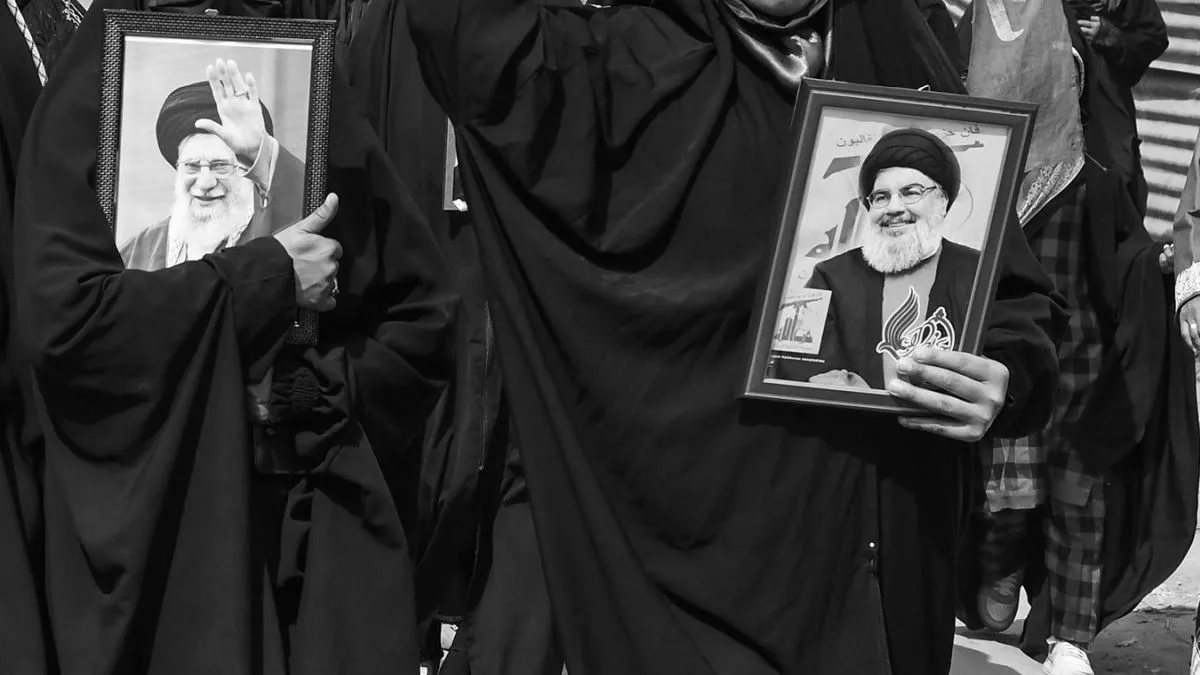
Shia villagers in UP’s Barabanki skip Eid to mourn Iran’s supreme leader
In Kintur village of Barabanki district , Uttar Pradesh, the Shia community made an unusual decision this year to forgo the Eid‑ul‑Fitr celebrations and instead observe a period of mourning following the death of Iran’s Supreme Leader Ayatollah Ali Khamenei in US and Israeli airstrikes on March 1 . While Muslims across North India participated in festive rituals, families in the Badosarai area gathered only for congregational prayers and peaceful demonstrations, expressing grief and condemning what they described as an unjust military action.
The atmosphere in the village was notably somber, influenced by a deep ancestral and emotional connection with Iran’s clerical leadership that locals say traces back about 150 years. According to villagers, the forefather of Ayatollah Ruhollah Musavi Khomeini, the ideological mentor of the late Khamenei and the founder of Iran’s 1979 Islamic Revolution, is believed to have originated from Kintur before migrating to Iran in the early 19th century. Residents continue to hold this lineage in high regard, with remnants of the ancestral home and portraits still present in some households.
Sarwar Ali, caretaker of the 19th‑century Waqf Nawab Amjad Ali Khan Imambara , said villagers gathered not for celebration but to condemn the joint military action against Iran, raising slogans against Israel and offering prayers for peace. “Shia families observed no festivities this year. They did not prepare sewaiyaan or embrace each other; they only offered congregational prayers,” he said, noting that the protest was peaceful.
Residents described a heavy mood of grief and solidarity. Dr. Rehan Kazmi, a local, said the community’s response reflected not only sorrow but a sense of shared identity with the slain leader, whom many Shias regard as both a spiritual authority and a symbol of resistance against perceived western oppression . Such sentiments have been echoed by Shia communities across other parts of India, including in Maharashtra and Rajasthan, where similar decisions were made to skip Eid festivities, wear black bands, and use the occasion to voice protest against the airstrikes.
Syed Nihal Ahmad Kazmi, who claims descent from Khomeini’s family, previously explained that Kintur was the birthplace of Khomeini’s grandfather, Syed Ahmad Musavi, who migrated to Iran after a pilgrimage and settled there when he was barred from returning to India by the British authorities. It was in Khomein, Iran , that Musavi’s grandson Khomeini was born and later rose to prominence. The late Khamenei succeeded Khomeini in leading Iran’s clerical establishment and was widely regarded among Shias worldwide as a pivotal religious figure.