
Shameful Chapter: King Charles Expresses ‘Profound Personal Sorrow’ Over Britain's Slave Trade
King Charles III has described Britain's historic role in the transatlantic slave trade as a “shameful chapter” that fills his heart with horror, as Caribbean nations renewed calls for an apology and reparations at the Commonwealth Heads of Government Meeting (CHOGM) in Antigua and Barbuda.
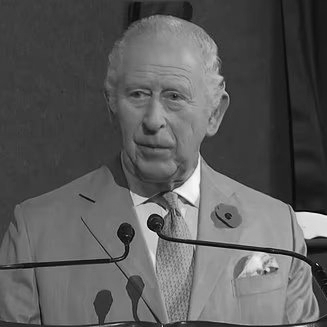
Addressing the gathering on Tuesday, November 3, the 77-year-old monarch acknowledged the lasting impact of slavery on Caribbean nations and other Commonwealth members. “The transatlantic trade in enslaved persons still casts a shadow over these islands and other members of our Commonwealth,” he said.
Referring to Britain's role in slavery, Charles said the period filled his heart with horror and his soul with “the most profound personal sorrow”. He also highlighted the Royal Navy's role in eventually ending the international slave trade, saying history showed that courage could overcome injustice.
The King said history could neither be changed nor selectively remembered. “We cannot change the actions of those who came before us. We can, however, learn from the past,” he said.
Charles also spoke about addressing historical wrongs through better access to education, investment in jobs, increased trade among Commonwealth countries and climate resilience. However, he stopped short of issuing a formal apology or announcing measures to address the economic and social damage caused by slavery. Buckingham Palace had earlier indicated that the monarch would not issue an apology during his Caribbean tour.
His remarks came amid growing pressure from Caribbean and African nations for Britain to acknowledge its colonial-era actions and provide reparations. Guyanese President Mohamed Irfaan Ali said an apology should be the King's next step.
Protesters also gathered outside the summit venue with placards reading, “Acknowledge the wrong. Commit to repair.” Shana Michelle, a protester from Antigua, said an apology was the starting point for addressing the legacy of slavery.
British Prime Minister Andy Burnham, who attended the summit, had earlier said his government was open to a formal apology but ruled out financial reparations. He has proposed a debt restructuring programme to help poorer Commonwealth countries manage their financial obligations.
Between 1500 and 1800, the British Parliament passed several laws supporting the slave trade. Britain abolished the transatlantic slave trade in 1807 and banned slavery in its colonies in 1833.
The issue was also raised at the 2024 Commonwealth summit in Samoa, where leaders called for discussions on reparations despite opposition from the then-British Prime Minister Keir Starmer.
The current CHOGM gathering brings together leaders and representatives of 56 Commonwealth nations to discuss shared challenges, including trade, climate resilience, development and financial cooperation.