
Severe storms leave US air travel in chaos, over 1,000 flights cancelled
Severe storms continued to wreak havoc across the United States on Tuesday, leaving more than 500,000 residents without power and throwing airline schedules into chaos. A powerful late-season storm brought heavy snow, high winds, and tornado warnings from the Midwest to the East Coast, grounding flights, closing roads, and straining emergency services.
Airlines struggled to recover, cancelling over 1,000 flights and delaying around 4,200 more on Tuesday alone, following Monday’s chaos when over 12,800 delays and 4,800 cancellations crippled major hubs including Atlanta’s Hartsfield-Jackson, Chicago O’Hare, and New York area airports. Snowfall in parts of the Midwest exceeded a foot, and gusts in New York approached 50 mph, prompting the Federal Aviation Administration to impose ground stops and delays.
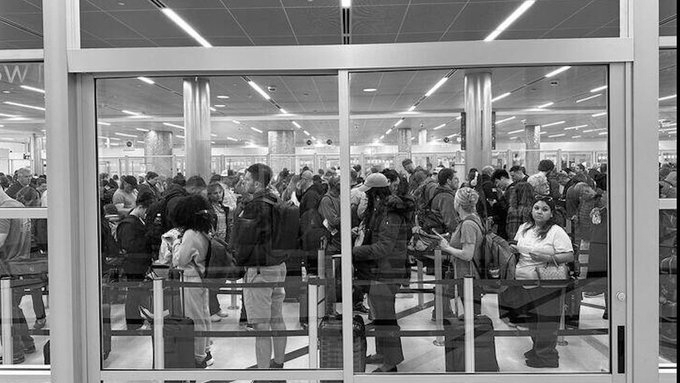
The disruption has been amplified by a partial government shutdown that began on February 14, leaving the Transportation Security Administration short-staffed . More than 300 TSA agents have quit , causing longer security lines as travelers, including spring break crowds and college basketball fans, faced mounting frustration. Passengers reported sleeping on airport floors and waiting hours for flights that were continuously rescheduled, highlighting the strain on both staff and travelers.
Outside airports, the storm toppled trees, cut power lines, and delayed school openings in multiple states, while emergency officials warned residents to exercise caution amid icy roads and hazardous conditions. Airlines have issued travel waivers and urged passengers to check flight status continuously, as crews work around the clock to restore normal operations.
Travelers like Kelly Price, stranded after a cancelled flight from Orlando to Colorado, described the scene as “ exhausting and frustrating ,” a sentiment echoed nationwide. With storm recovery expected to take days, officials warned that air travel may remain disrupted , and passengers should prepare for extended delays and cancellations.
The combination of extreme weather and staffing shortages underscores the fragile state of U.S. air travel, leaving travelers navigating a winter storm well into spring, stranded terminals, and stretched resources at every major airport.