
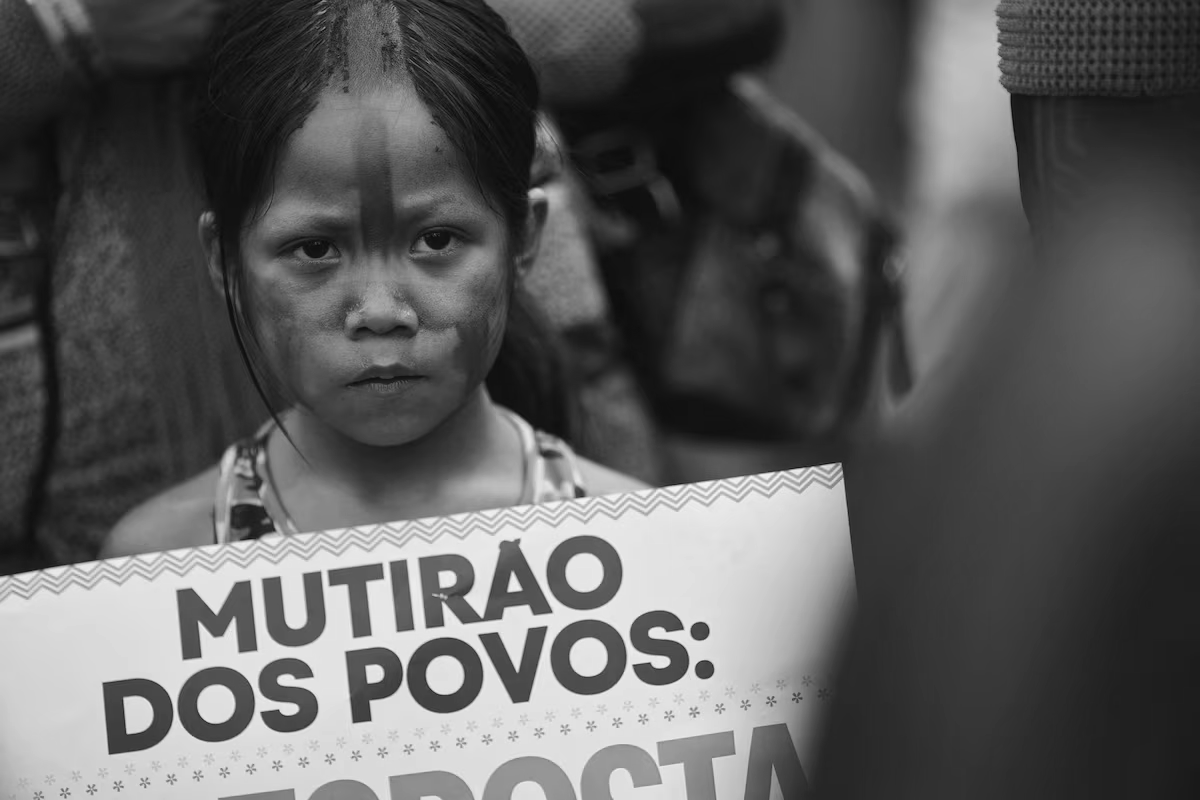
Scorching heat doesn’t stop mass protests outside COP30
Thousands of climate protesters were reported to have marched through the Brazilian city of Belém on Saturday, creating a vibrant, noisy and peaceful display that was said to have highlighted growing frustration over slow global action to protect the planet. The demonstration was held close to the COP30 climate summit venue, where negotiators were noted to have reached the halfway point of the two-week talks aimed at converting years of pledges into concrete measures to curb global warming and support vulnerable nations.
Indigenous communities, youth activists and civil society groups were observed marching together, singing, playing instruments and waving banners under midday temperatures that were measured at around 30°C but felt closer to 35°C due to high humidity, according to data provided by Brazil’s National Institute of Meteorology.
The event was described by Brazil’s environment minister Marina Silva as a space to map out what she said must be done at COP30, including a transition away from deforestation and fossil fuels. Calls for greater land rights were voiced by Indigenous protester Cristiane Puyanawa, who stated that forests and Indigenous territories should not be treated as commodities.
The march was held amid heightened tensions after an attempt earlier in the week by Indigenous protesters to force entry into the COP30 venue, which resulted in clashes with security. On Saturday, designated as the official protest day of the summit, a heavy security presence including military police in riot gear was deployed around the venue, although the march route did not pass directly by it.
Negotiators were reported to have shared their progress in a plenary session before handing over unresolved issues to national ministers, who will attempt to bridge political divides in the summit’s final days. The need for negotiators to remember that climate action affects real people rather than abstract goals was emphasized by Katharine Hayhoe, chief scientist at The Nature Conservancy.
Despite three decades of incremental progress, major challenges were acknowledged to remain unresolved, including climate finance, fossil-fuel transition, and collective shortfalls in emissions-reduction plans. These contentious issues were said to be discussed mostly outside the formal COP negotiation framework.
Questions were raised over whether the Brazilian COP30 presidency would attempt a “cover decision”, a political agreement endorsed by all countries to shape the summit’s final message. COP30 President André Corrêa do Lago stated that while such a move had not been planned, it could be considered if demanded by countries.
New alliances and initiatives were announced on the sidelines of COP30. The Premium Flyers Solidarity Coalition, which has proposed taxes on premium air travel and private jets, was said to have gained new members, including Djibouti, Nigeria and South Sudan, joining existing participants such as France, Spain, Kenya and Barbados.
With foreign aid declining, “solidarity levies” on high-polluting sectors were described as an increasingly attractive way to raise non-debt climate finance. U.N. Secretary-General adviser Selwin Hart stressed that the next decade must be driven by debt-free climate funding.
Meanwhile, the Utilities for Net Zero Alliance reported that its annual investment target had been raised from roughly $116 billion to nearly $150 billion, with funds allocated to renewable energy, electricity grids and battery infrastructure.
The outcomes of the ongoing COP30 negotiations were said to remain uncertain as the summit prepares to enter its final and most politically charged phase.