
SCO Summit: Bringing the Global South Together in a Changing World
Bishkek became a rare diplomatic crossroads this week as leaders representing some of the world’s biggest powers, emerging economies and geopolitical fault lines gathered under the banner of the Shanghai Cooperation Organisation (SCO). Held in the Kyrgyz capital from August 31 to September 1, 2026, the SCO Summit brought together partners and rivals alike from India, China and Russia to Pakistan, Iran and the nations of Central Asia offering a powerful reminder that the Global South is increasingly seeking its own spaces to shape conversations on security, trade, connectivity and the changing world order.
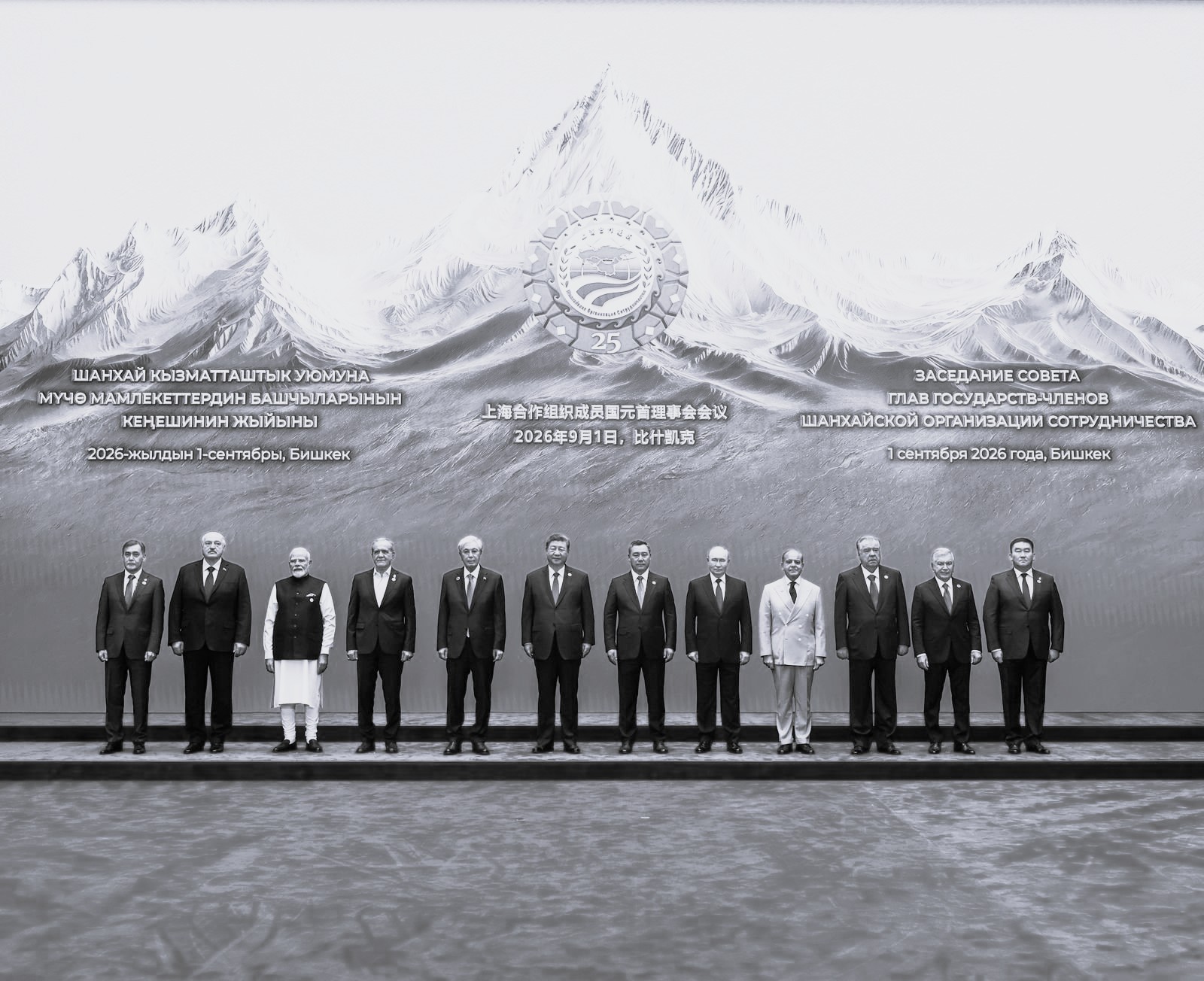
The significance of the summit lay as much in its optics as in its substance. The leaders’ group photograph placed Prime Minister Narendra Modi, Chinese President Xi Jinping, Russian President Vladimir Putin, Pakistan Prime Minister Shehbaz Sharif and Iranian President Masoud Pezeshkian on the same stage. It reflected the SCO’s central strength and its complexity: a forum where strategic partners and political rivals can meet despite deep disagreements.
Marking the organisation’s 25th anniversary, the summit focused on peace, security, trade, connectivity and technology. The SCO’s 10 members India, China, Russia, Pakistan, Iran, Belarus, Kazakhstan, Kyrgyzstan, Tajikistan and Uzbekistan were joined in the wider SCO Plus format by other leaders and partners.
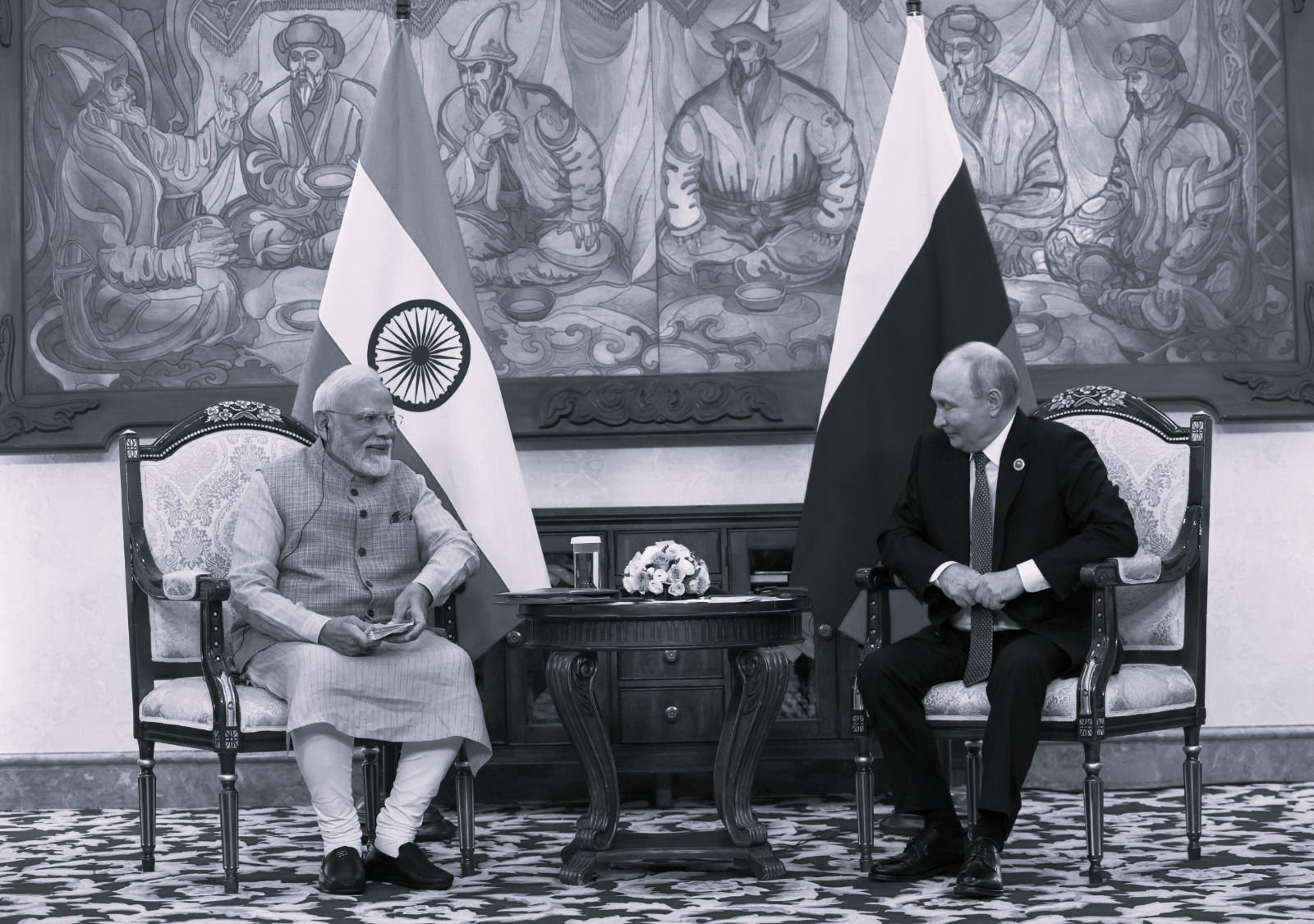
For India, Bishkek was also a significant exercise in summit diplomacy. Modi’s most substantive bilateral engagement was with Putin. The two leaders reviewed the full range of the India-Russia partnership, with focus areas including energy, innovation, space, fertilisers and people-to-people ties, while also discussing wider regional and international developments.
Modi also met host President Sadyr Zhaparov, with discussions covering healthcare, pharmaceuticals, IT, minerals, agriculture, digital technologies, infrastructure, defence and security cooperation. His meetings with Iranian President Masoud Pezeshkian and Armenian Prime Minister Nikol Pashinyan focused on expanding trade and strategic cooperation, alongside discussions on regional developments.
The Prime Minister also held talks with Mongolian President Ukhnaa Khurelsukh, Tajik President Emomali Rahmon, Lao President Thongloun Sisoulith and Togo President Faure Essozimna Gnassingbé, underlining the wider diplomatic value of the summit beyond its formal sessions.
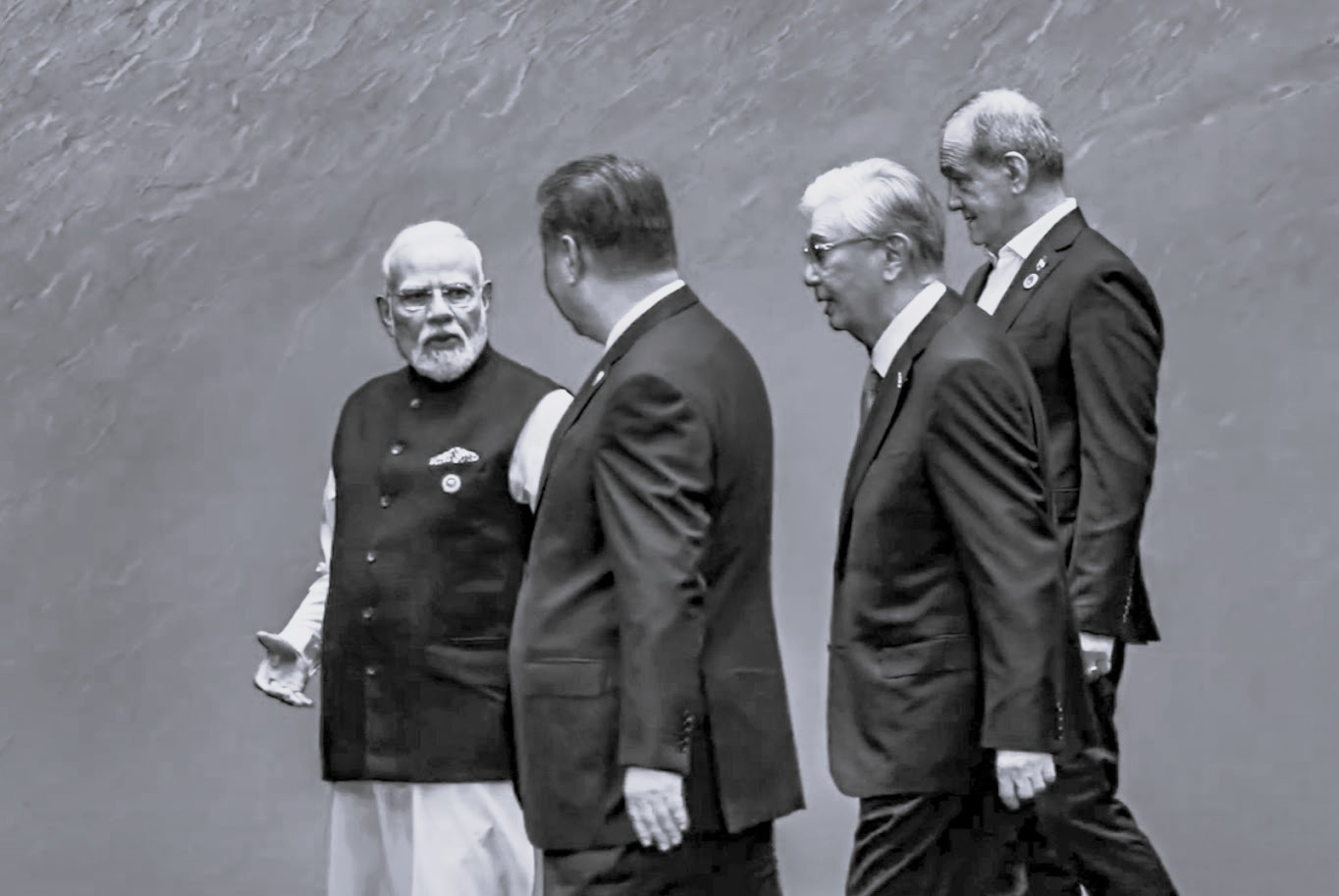
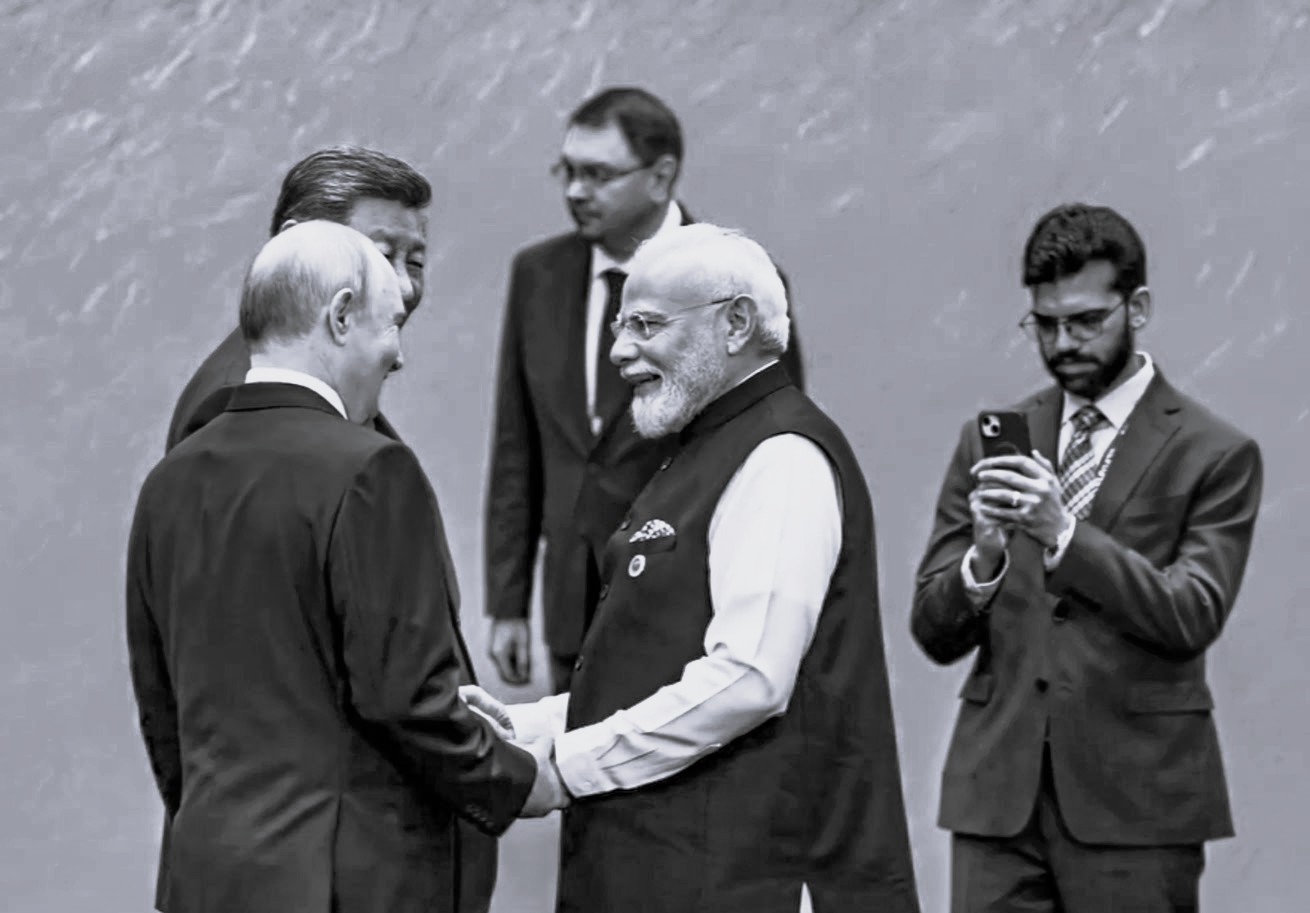
One of the most closely watched moments was Modi’s handshake and brief interaction with Xi Jinping, with Putin also part of the widely circulated visuals. However, the distinction between symbolism and substance remained important: while Modi held a publicly documented bilateral with Putin, there was no separately announced formal one-on-one Modi-Xi meeting at the summit.
Similarly, Modi and Shehbaz Sharif attended the same gathering but did not hold a publicly announced bilateral meeting. There was also no publicly highlighted one-on-one meeting between Modi and Turkish President Recep Tayyip Erdoğan. These absences were significant, illustrating that summit diplomacy can bring rivals and partners into the same room without necessarily leading to bilateral engagement.
In his address, Modi pushed India’s three-part SCO vision of Security, Connectivity and Opportunity. His strongest message was on terrorism, with a call to dismantle networks of financing, recruitment, radicalisation and safe havens while rejecting double standards. The Bishkek Declaration also called such double standards unacceptable and urged action against terrorism, including the cross-border movement of terrorists.
Modi reiterated that conflicts must be resolved through dialogue and diplomacy, warning that crises in West Asia can disrupt energy security, maritime trade and global supply chains, with the Global South often bearing the greatest burden.
The summit adopted the Bishkek Declaration, four MoUs and more than 20 decisions and statements covering areas including climate, energy, biodiversity, drug control, logistics, scientific cooperation and emerging technologies.
Ultimately, Bishkek demonstrated that the SCO’s value lies not in complete agreement among its members, but in its ability to bring countries that cooperate, compete and disagree onto the same platform. The leaders’ group photograph captured that reality best: a diverse Global South and Eurasia increasingly determined to have a greater voice in shaping the world’s political and economic future.