
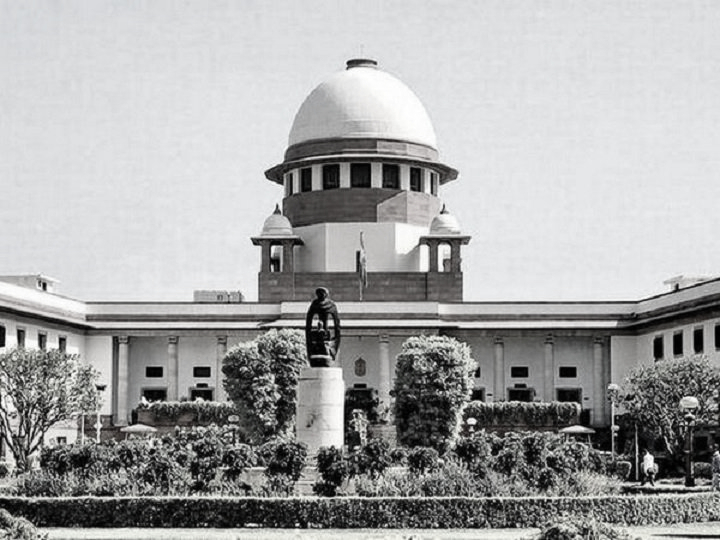
SC warns against half-baked media narratives in deportation case
The Supreme Court on Friday cautioned against “half-baked truth” and “ill-informed running commentary” on ongoing court matters, observing that such reporting distorts public perception even though the judiciary remains “completely immune” to attempts at narrative-building.
The remarks came during the hearing on the Union government’s appeal against a Calcutta High Court order that criticised the deportation of several individuals to Bangladesh without following due process. The bench, comprising Chief Justice Surya Kant and Justices Joymalya Bagchi and Vipul M Pancholi, said the trend of speculative and opinion-driven reporting on sub-judice matters has become harmful, especially when facts are selectively presented.
During the hearing, the court was informed that Sunali Khatun, a pregnant woman who was among those deported, has since returned to India and is receiving medical care at her father’s home in Birbhum, West Bengal. Senior advocate Sanjay Hegde drew attention to another deportee, Sweety Bibi, who remains stranded in Bangladesh with her husband and children, and offered to provide documents proving their Indian citizenship. The Solicitor General assured the court he would examine the documents, adding that verification may take some time.
The Centre’s law officer expressed strong displeasure over a newspaper report that he described as “tabloid-like,” alleging that certain sections of the media were attempting to create a narrative intended to influence the case’s outcome. He said such reportage “shook his faith,” although he clarified that he was certain the bench was not swayed by it.
Justice Bagchi responded firmly, saying the court is “completely immune from publicity and pseudo-publicity stunts” and that narratives should not affect people’s lives. Advising the government’s lawyer to ignore such stories, the CJI added that the core problem was reporting based on distorted or incomplete information, which can shape public opinion in misleading ways. He clarified that factual reporting of hearings is legitimate, but commentary infused with personal opinion risks eroding trust in judicial processes.
Senior advocate Kapil Sibal, appearing for the West Bengal government, pointed out that immigration is a global political issue and public discussions are common in countries such as the UK and the US. He said expressing opinions is not inherently problematic as long as motives are not attributed to institutions.
The case concerns families who had lived and worked as daily wage labourers in Delhi’s Rohini area for nearly two decades. They were detained on June 18 on suspicion of being illegal Bangladeshi migrants and deported nine days later. The Calcutta High Court later held that the deportation violated the Union Home Ministry’s protocols, which require a state-level inquiry prior to removal. The High Court had criticised the authorities for “overenthusiasm” and for acting in a manner that unsettled “judicial climate.”
Beyond the immediate case, the Supreme Court’s caution resonates with several past instances where public narratives attempted to sway judicial proceedings. The Nirbhaya gangrape case saw intense public mobilization, media pressure and calls for swift execution, with courts repeatedly urging restraint to ensure a fair legal process. During Rhea Chakraborty’s 2020 narcotics case linked to actor Sushant Singh Rajput’s death, widespread speculation, media trials and social media campaigns created a parallel narrative long before courts examined the evidence. Even the Ayodhya land dispute witnessed decades of commentary, political rhetoric and public mobilisation, with the Supreme Court repeatedly emphasising that the verdict would be based solely on legal and historical evidence, not societal pressure.
As the hearing concluded, the bench said the Centre’s appeal would be taken up on January 6, and that once verification of documents for the remaining deportees is complete, their return could be processed in a time-bound manner.