
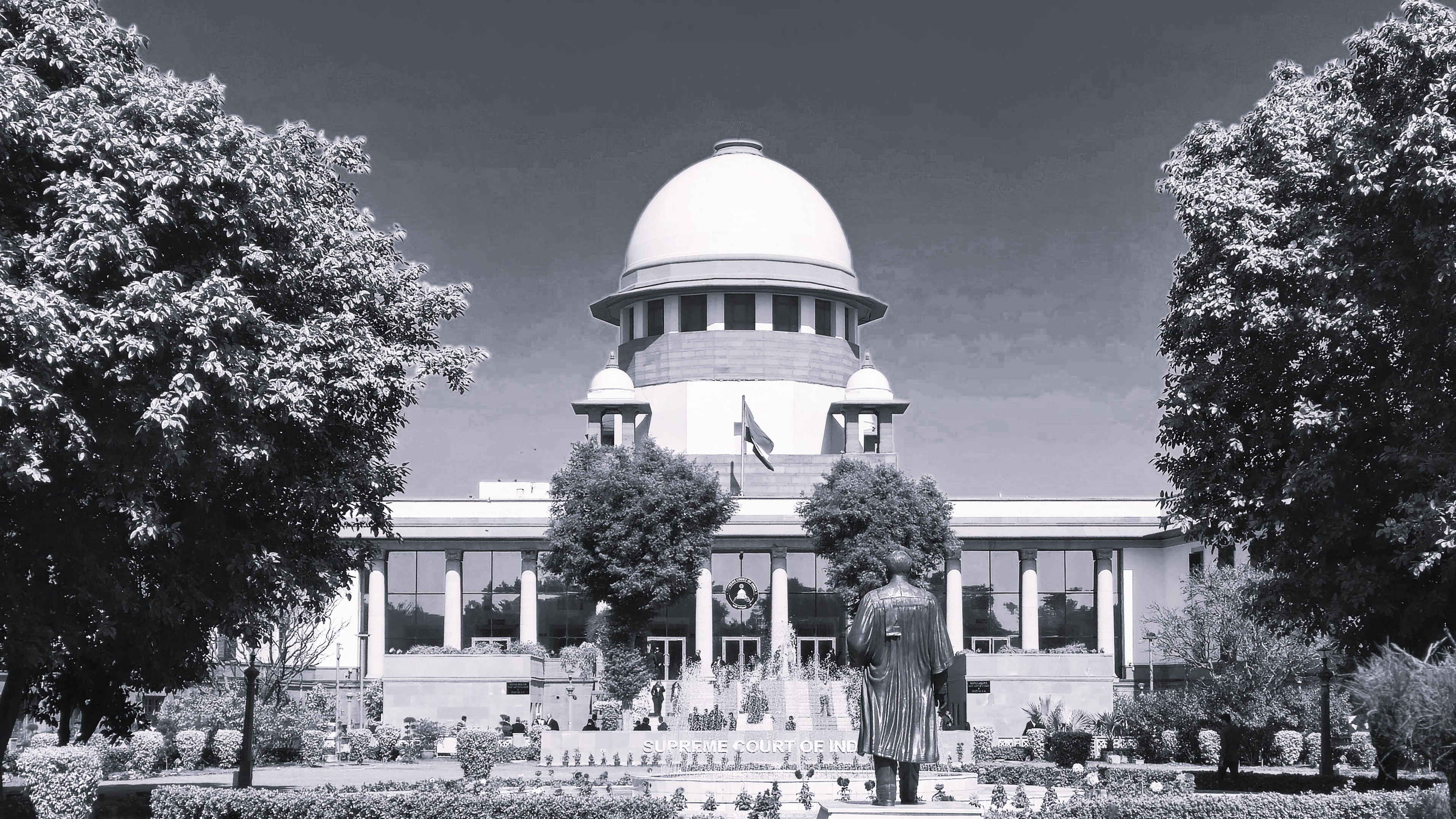
SC to scrap oral mentions, Automated urgent listing from Dec 1
Just days after taking oath as the 51st Chief Justice of India on November 24, 2025, Justice Surya Kant has introduced sweeping reforms to streamline the Supreme Court’s judicial processes. Effective December 1, 2025, the apex court will eliminate the long-standing practice of oral mentioning before the Chief Justice for urgent case listings, replacing it with an automated system designed to list matters within two working days. The changes, issued through four new circulars, aim to reduce delays, enhance efficiency, and address the court’s massive backlog of over 80,000 cases.
The most significant shift is the abolition of oral mentioning by senior advocates, a long-followed tradition where senior counsel would seek urgent hearings before the CJI. Under the new system, only junior counsel will be permitted to make oral mentions, a decision intended to empower younger lawyers and decentralize access to urgent listings. According to court officials, the reform will ensure fairness and reduce the pressure on the CJI’s office. Urgent matters including regular and anticipatory bail pleas, cancellation of bail, death penalty matters, habeas corpus petitions, eviction or dispossession disputes, and demolition-related issues will now be listed automatically within two working days after verification, removing the need for litigants to appear personally. In cases of exceptional urgency, parties will be required to submit a “Mentioning Proforma’’ and a letter of urgency to the Mentioning Officer by 3 PM on the previous working day (or 11:30 AM on Saturdays), after which the matter will be escalated to the Registrar (Judicial Listing) for the CJI’s approval.
The reforms also impose stricter norms for adjournments. Requests must be emailed to adjournment.letter@sci.nic.in by 11 AM on the previous working day and must carry the consent of the opposing counsel. Only genuine reasons such as bereavement or medical emergencies will be considered. Legal experts say this measure will curb frivolous adjournment requests and improve the pace of case disposal. Bail matters will receive expedited handling, with mandatory advance copies to nodal officers or standing counsel, reinforcing the court’s stated commitment to safeguarding personal liberty.
Justice Kant announced these changes during a felicitation ceremony hosted by the Supreme Court Bar Association on November 29, stressing his commitment to minimizing unpredictability in the listing of cases. The reforms will begin on a pilot basis next week, with the CJI assuring the Bar of regular progress updates. He also revealed plans for a new Supreme Court building, with Phase 1 construction already underway to address longstanding space constraints that have affected court functioning. The online mechanism for urgent listings now available through the Supreme Court’s e-Committee portal—will serve as the backbone of these digital transformations, aligning India’s judicial administration with global best practices that emphasize data-driven solutions and high-level institutional commitment.
The reforms have been largely welcomed by the legal fraternity, with the PIL Watch Group calling them a “super” step forward, though some observers believe resistance from senior members of the Bar may surface in the coming weeks. The automated listing system is expected to reduce the court’s pendency, which remains a persistent concern with over 80,000 cases pending according to the latest statistics. Critics, however, caution that the success of these reforms will depend on the robustness of the digital infrastructure and the willingness of all stakeholders to adapt. As these changes take effect, December 1, 2025, is set to mark a significant turning point in the functioning of India’s top court, signalling a bold and technology-driven start to CJI Surya Kant’s tenure.