
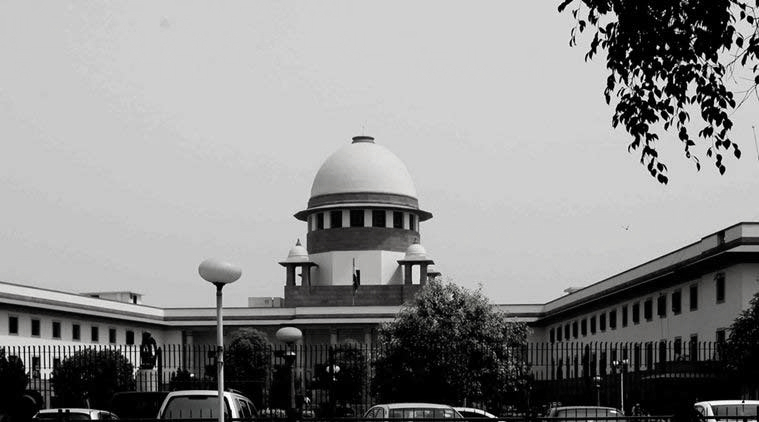
SC seeks nationwide response on RTE implementation, flags gaps in early education
In a significant move that could shape the future of school education, the Supreme Court of India has sought responses from the Centre, all states, and Union Territories on a public interest litigation calling for the full implementation of the Right of Children to Free and Compulsory Education Act, 2009.
The petition urges authorities to ensure that the landmark law mandating free and compulsory education for children aged 6 to 14 is effectively enforced across the country. It also reiterates the provision requiring private schools to reserve 25% of seats for children from economically weaker sections, a clause that has been central to improving access but continues to face uneven execution.
During the hearing, the court indicated its intent to examine broader concerns, particularly the absence of legally enforceable provisions for pre-primary education. The plea argues that children below the age of six remain outside the formal framework, despite growing recognition of early childhood learning as a critical foundation.
The issue gains relevance in the context of the National Education Policy 2020, which proposes a comprehensive restructuring of the education system. The policy introduces a 5+3+3+4 curricular model covering ages 3 to 18 and emphasizes holistic development, skill-building, and emerging domains such as coding, artificial intelligence, and multilingual education.
Over the years, the RTE framework has been supported by several welfare schemes aimed at boosting enrolment and retention. Chief among them is the Mid-Day Meal Scheme, one of the world’s largest school feeding initiatives. By providing free nutritious meals in government and aided schools, the programme has played a crucial role in improving attendance, reducing dropout rates, and addressing classroom hunger. Other interventions, including free textbooks, uniforms, and infrastructure upgrades, have further strengthened access to schooling.
Despite these efforts, challenges persist. Learning outcomes, teacher shortages, and gaps in implementation continue to raise concerns about the quality of education being delivered.
The court, however, has not passed any directions at this stage. Instead, it has asked governments to clarify the status of RTE implementation, measures taken to include younger children in formal education, and progress made under the NEP framework. Further action is expected after the responses are reviewed.