
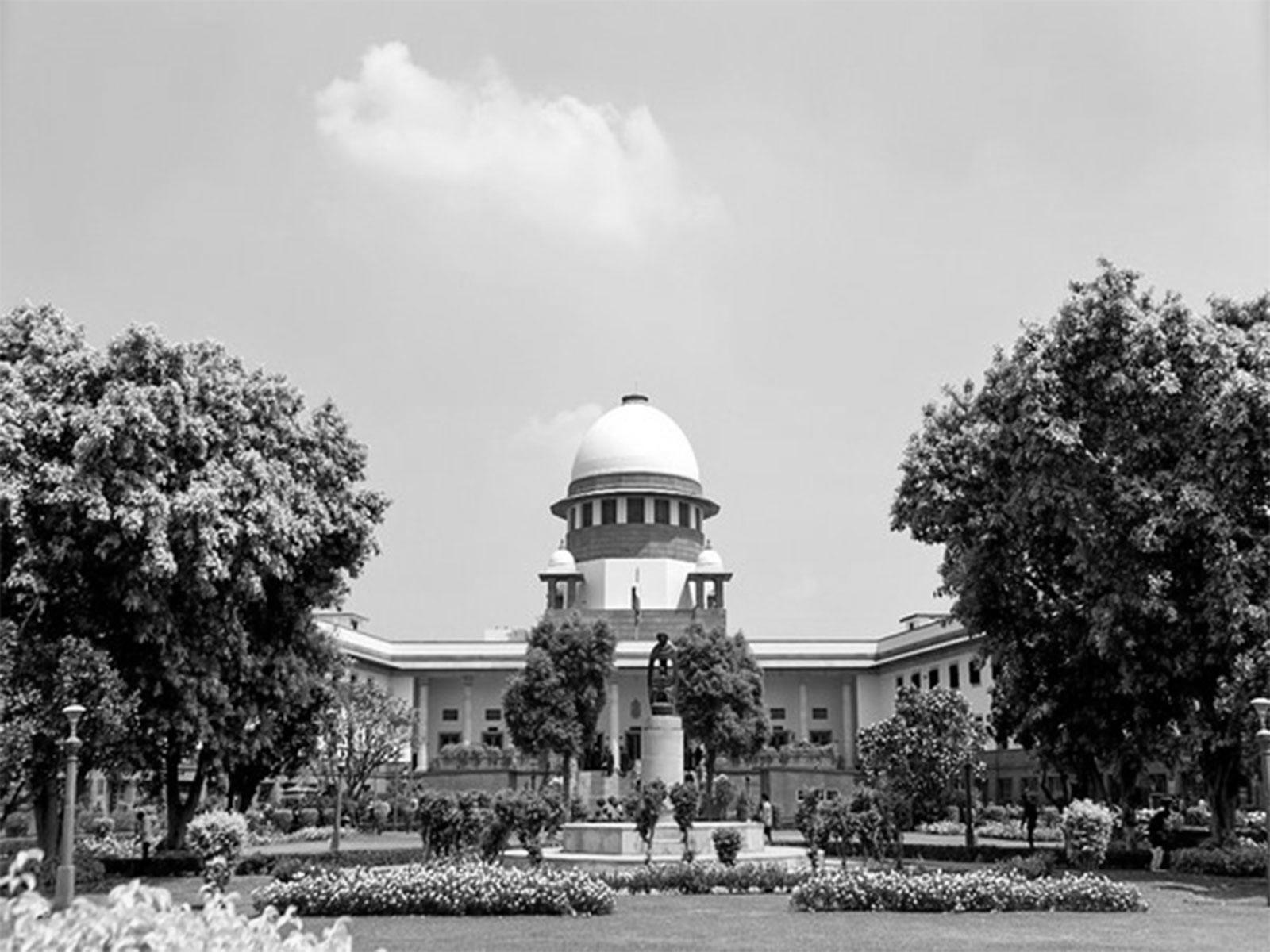
SC Relaxes Firecracker Ban, Allows Green Crackers in Delhi-NCR for Diwali
The Supreme Court has permitted the manufacture, sale and bursting of certified green firecrackers in Delhi-NCR for a limited period ahead of Diwali, relaxing its blanket ban under strict conditions. The relaxation will remain in force for a few days, with the complete ban on firecrackers returning from November 9, 2026.
A bench comprising Justices MM Sundresh and Prasanna B Varale allowed the manufacture and sale of approved green crackers from November 4 to 6 and their bursting on November 7 and 8, between 6 am and 7 am and 8 pm and 10 pm.
The court prohibited firecracker use within 300 metres of hospitals, healthcare centres, old-age homes, educational institutions and notified silence zones, which will be designated as 'No-Cracker Zones'.
The relaxation is subject to stringent safeguards to prevent conventional and unauthorised crackers from being sold as green crackers. Manufacturers must hold valid CSIR-NEERI certification and PESO licences and can produce only products listed on the CSIR-NEERI website between November 2 and 6.
Every sealed box must carry a product- and batch-specific QR code containing details of the manufacturer, registration, licences, formulation and test certificates. The court prohibited series crackers, commonly known as 'ladis', crackers containing barium and products not approved by CSIR-NEERI.
Authorities have been directed to designate specific markets for sales, while online sales and sales at unauthorised locations are prohibited. Police teams must inspect markets, verify QR codes, seize illegal crackers and prosecute violators. Vehicles entering Delhi-NCR will also be checked to prevent the transportation of banned firecrackers. Traders whose licences were previously cancelled have been allowed to operate temporarily from November 4 to 6, subject to strict compliance.
The bench also directed manufacturers and traders to deposit monetary security, which will be forfeited in case of violations.
For pollution monitoring, the Central Pollution Control Board (CPCB), in consultation with State Pollution Control Boards, must prepare daily air quality reports for November 2-6, November 7-8 and November 9-30. Authorities must inspect non-functional AQI monitoring stations, collect sand and water samples and undertake post-Diwali cleaning.
The court also directed governments to publicise pollution mitigation plans, sensitise schoolchildren and broadcast awareness messages through the Delhi Metro.
Authorities must submit compliance affidavits, AQI reports and details of hospital admissions by December 14. Warning of contempt action for non-compliance, the Supreme Court scheduled the next hearing for December 16, 2026.