
SC issues notice on plea alleging humiliating proof of period demand from female sanitation workers
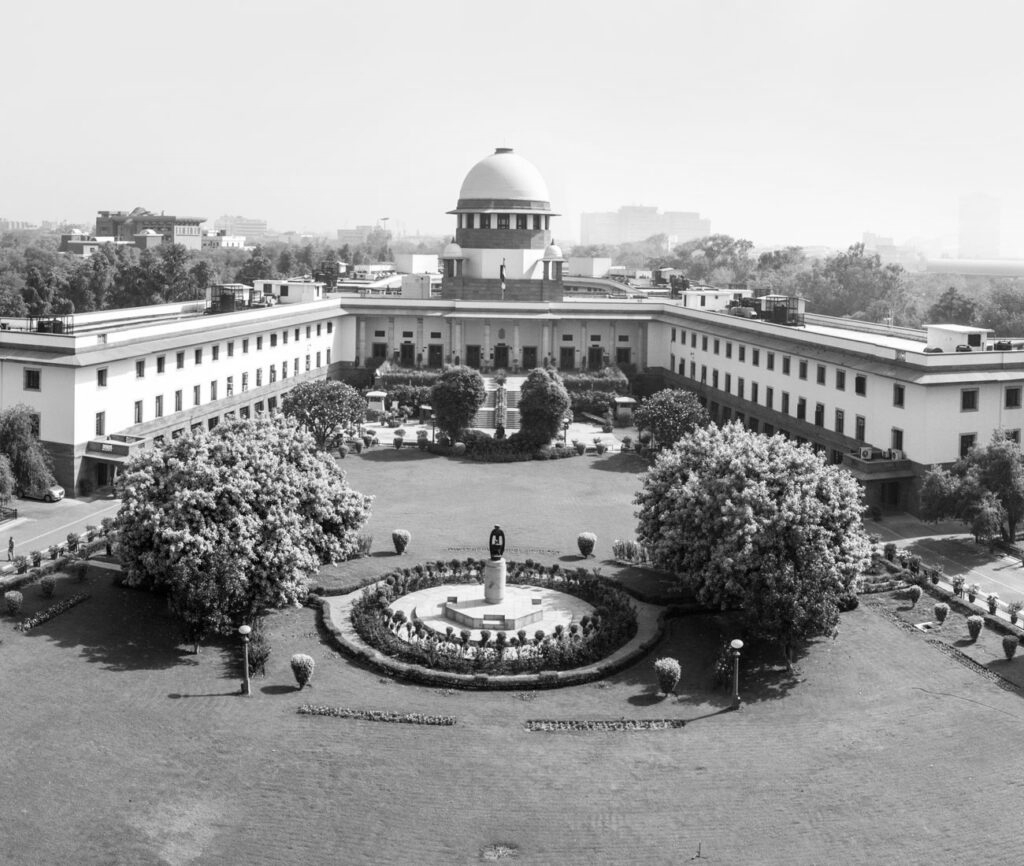
The Supreme Court on Friday issued notices to the Centre, Haryana government, and Maharshi Dayanand University (MDU), Rohtak, on a petition alleging that female sanitation workers were forced to provide photographic proof of their menstruation to avail menstrual leave. The court termed the allegations disturbing and reflective of a problematic mindset regarding women’s dignity and bodily autonomy.
A bench comprising Justice BV Nagarathna and Justice R Mahadevan sought responses from the authorities after the petition claimed that women workers employed on contract at the university were humiliated by officials who demanded intimate photographs to confirm they were menstruating before approving their medical leave.
According to the plea, these women, working under harsh conditions and earning minimal wages, were denied basic privacy and respect as supervisors insisted on “proof” to justify any absence due to menstrual pain or health-related issues. The petition further alleged that when the workers refused to comply, their wages were deducted and leave applications were rejected.
Expressing concern, Justice Nagarathna observed, “This reflects the mindset. In Karnataka, they are giving period leave. After reading this, I thought, will they ask proof for giving the leave?” The remark underscored the contrast between progressive policies on menstrual health and insensitive practices that violate personal dignity.
The petition argues that such actions constitute a grave violation of Article 21 of the Constitution, which guarantees the right to privacy, health, and dignity. It further contends that coercing women to submit intimate photographs amounts to sexual harassment and exploitation.
The court has asked the respondents to file their replies and will take up the matter for detailed hearing in the coming weeks.
The case has sparked debate on workplace dignity, especially for women in informal and contractual jobs, highlighting the urgent need for menstrual sensitivity, respect, and humane labor practices across institutions.