
SC flags ‘corridors of peril’, issues nationwide road safety directions
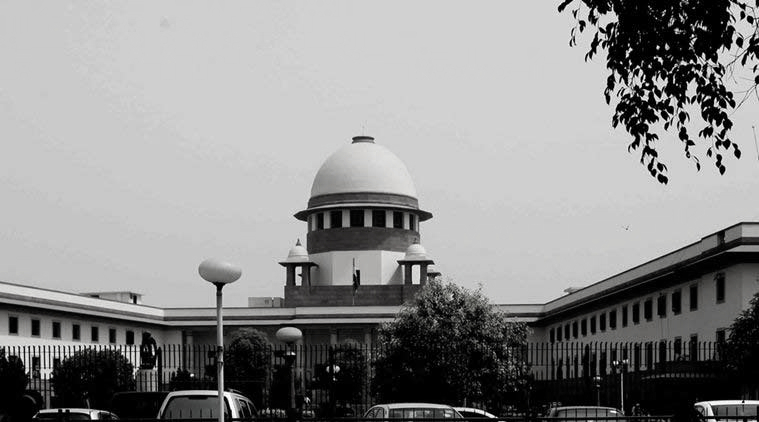
The Supreme Court of India has issued sweeping pan-India directions to improve highway safety, warning that expressways must not turn into “corridors of peril” , a phrase the court used to describe roads that have become dangerously accident-prone and life-threatening due to poor enforcement, unsafe infrastructure and administrative neglect.
The directions came in a suo motu case following two major accidents in November 2025 in Rajasthan and Telangana that together claimed 34 lives . The court said such incidents were not isolated mishaps but a reflection of systemic failures such as illegal parking, unaddressed accident blackspots, and lack of coordinated enforcement. Invoking the right to life under Article 21 of the Constitution of India, the bench observed that even a single preventable death amounts to a failure of the State’s duty to protect citizens and ensure safe conditions on public roads.
India’s road safety situation provides the broader context for the court’s intervention. The country records around 4.5 to 4.6 lakh road accidents every year, leading to approximately 1.5 to 1.8 lakh deaths, placing it among the highest globally . National highways, despite accounting for only about two percent of the total road network, contribute nearly 30 percent of these fatalities, underscoring the disproportionate risk associated with high-speed corridors. Alongside fatalities, over four lakh people are injured annually, with a significant number suffering long-term or permanent disabilities such as spinal injuries, head trauma and loss of mobility, imposing a lasting social and economic burden on families and the healthcare system.
The court noted that overspeeding, illegal parking of heavy vehicles, roadside encroachments, poor lighting and inadequate attention to accident-prone stretches are among the key causes behind these deaths and disabilities. It stressed that road accidents not only claim lives but also affect the most productive age group of 18 to 45 years, resulting in loss of livelihoods and significant economic costs, estimated at around three percent of the country’s GDP.
Against this backdrop, the court directed authorities including the National Highways Authority of India, the Ministry of Road Transport and Highways, and state governments to implement strict safety measures within defined timelines. These include prohibiting parking of heavy vehicles on highways except in designated areas, removing unauthorised roadside structures, deploying technology-based monitoring systems and strengthening coordination among enforcement agencies.
The ruling underscores a shift towards treating road safety as a constitutional obligation rather than a policy choice, making it clear that human life cannot be compromised due to administrative delays or financial constraints. By addressing both immediate risks and systemic gaps, the court’s directions aim to reduce not only fatalities but also the growing and often overlooked burden of injuries and lifelong disabilities caused by road accidents across the country.