
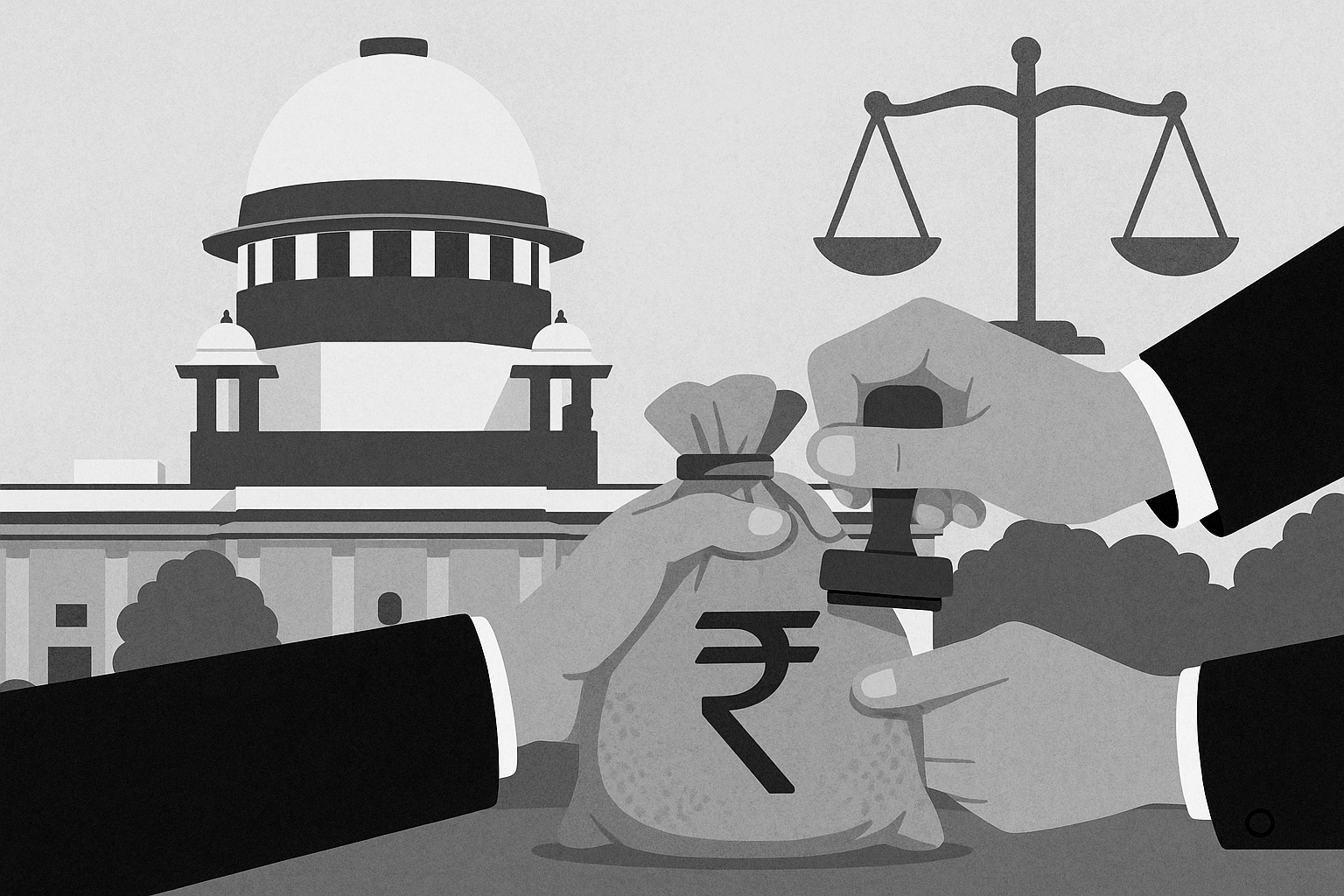
SC approves major settlement in Sandesara bank fraud, sets December 17 deadline
India’s Supreme Court has agreed to drop all criminal proceedings against fugitive businessmen Nitin and Chetan Sandesara if they pay a court-approved settlement amounting to one-third of their total dues in a massive $1.6-billion bank fraud case. The ruling, detailed in an order published on the court’s website on Friday, allows the brothers to walk away from long-running criminal investigations upon paying $570 million by December 17.
The order quotes the brothers’ lawyer, senior advocate Mukul Rohatgi, as informing the bench that his clients were prepared to make the payment “to get rid of all proceedings,” and that they sought complete quashing of all criminal cases. Rohatgi reiterated that the settlement was being offered with the intention of closing every pending investigation and trial related to the matter.
The case centres on allegations that the Sandesara brothers, promoters of the Sterling Group, defrauded a consortium of Indian banks by siphoning loan funds, diverting money through offshore entities, and abandoning their repayment obligations. Following the accusations, the Enforcement Directorate and the Central Bureau of Investigation filed multiple cases against them under charges of fraud, money laundering, and financial misconduct. The brothers denied wrongdoing but fled India in 2017, allegedly using Albanian passports, and were subsequently declared fugitive economic offenders under a 2018 law that enables the freezing of their assets.
During earlier hearings, investigative agencies argued that the businessmen operated a web of shell companies across jurisdictions to divert borrowed funds, while banks pleaded for recovery of dues running into billions. The Supreme Court had noted repeatedly that the criminal proceedings involved complex, multi-jurisdictional financial investigations and that the brothers were resisting return to India. Despite this, the bench observed that lender banks had engaged in repeated discussions toward a negotiated settlement.
In its latest decision, the court clarified that the acceptance of the $570-million payment was made in view of the specific circumstances of the case, the protracted nature of the investigations, and the willingness of the creditors to explore a settlement. The bench emphasised that the relief granted should not be automatically treated as a precedent for other cases involving economic offences.
The plaintiffs in the matter are the consortium of public-sector and private lenders that extended large loans to the Sterling Group. Both the ED and CBI remain stakeholders in the proceedings, as they had pursued criminal cases for years, alleging deliberate deception and the diversion of funds into overseas assets including properties and businesses in multiple countries. The Sandesara family’s oil company in Nigeria is known to generate significant revenue and has remained operational despite the pending cases in India.
Legal experts say the ruling marks a major shift in how India may handle large financial crimes, especially those involving fugitive economic offenders. Some argue that the decision is comparable to international practices where substantial financial penalties can replace criminal trials. Others warn that it may weaken the deterrence value of criminal prosecution and leave banks at risk of recovering only a fraction of their dues.
The settlement, if completed by the December deadline, will close one of India’s largest bank fraud cases but it also raises pressing questions about the future of accountability, the role of settlements in financial crimes, and how many other offenders may now seek similar relief.