
SBI, BoB, RBL, Yes Bank Move CIC to Block RTI Release of NPA and Inspection Data
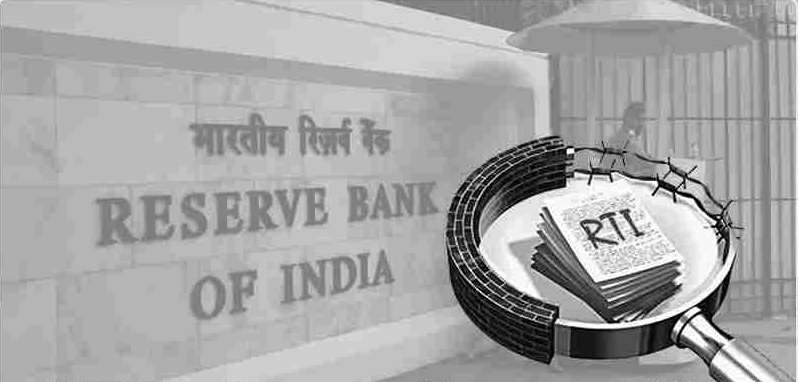
Four major banks SBI, Bank of Baroda, RBL Bank and Yes Bank have approached the Central Information Commission (CIC) objecting to the disclosure of NPA and defaulter-related information, penalties and RBI inspection records under the Right to Information (RTI) Act . The dispute centres on requests seeking access to key banking details such as lists of willful defaulters , top non-performing assets (NPAs) , inspection reports , show-cause notices , and enforcement documents. While the Reserve Bank of India (RBI) has held that these records are “liable to be disclosed” under RTI provisions, the banks claim such disclosure could harm their commercial interests , trigger reputational damage and potentially lead to misinterpretation in a confidence-sensitive financial sector.
The controversy stems from separate RTI applications filed by Dheeraj Mishra, Vathiraj, Girish Mittal and Radha Raman Tiwari , who sought greater transparency on how banks handle bad loans and how the regulator supervises lenders. Their requests ranged from details such as the top 100 NPAs and willful defaulters of Yes Bank to inspection reports of SBI and RBL Bank , along with copies of statutory inspection findings, show-cause notices and records linked to a ₹4.34 crore monetary penalty imposed on Bank of Baroda following supervisory findings. The applicants, who appear to be independent RTI users , argue that since banks largely function using depositors’ money , citizens have a right to know how lending decisions are taken, how defaults are handled, and what regulatory action follows supervisory lapses.
An NPA (Non-Performing Asset) is essentially a loan that turns “bad” when the borrower stops paying EMIs or interest for a prolonged period — typically more than 90 days . Importantly, NPAs are not limited to large corporate borrowers. Even small-ticket digital loans , including those issued through lending platforms and apps, can become NPAs when repayment stops. This makes the disclosure dispute particularly sensitive, as borrower defaults — whether large or small — ultimately affect banking stability, credit costs and public confidence in the system.
In these cases, the RBI relied strongly on Supreme Court precedent, particularly the landmark Jayantilal N. Mistry judgment , to justify disclosure. The central bank reiterated that it is not in a fiduciary relationship with banks when it comes to supervisory data and that the RTI Act overrides earlier confidentiality norms in order to serve public interest. The RBI further stated that exemptions under RTI including protected information under Sections 8(1)(d), 8(1)(e) and 8(1)(j) can be severed, while the remaining information can still be released. In more than one matter, RBI officials rejected banks’ arguments that disclosure would affect competitiveness or marketability, stating such objections were not sustainable after exempt portions had already been removed.
The banks, however, have insisted that making supervisory records public could expose internal weaknesses, affect customer and investor perception, and in extreme cases fuel panic-driven reactions. They argue that inspection reports and enforcement records contain sensitive findings that may be misunderstood without context. Their opposition is largely focused not on system-wide NPA statistics which RBI already publishes regularly but on borrower-level details , defaulters’ lists , and detailed supervisory communications that could be commercially damaging.
Information Commissioner Khushwant Singh Sethi noted that similar disputes were earlier heard by a double bench of the CIC and, given the broader implications, referred the matters to a larger bench for adjudication. Until a final decision is issued, the CIC has stayed disclosure temporarily . The outcome is expected to have far-reaching consequences for banking transparency in India, shaping what regulators can be compelled to reveal under RTI and how strongly the public can demand access to information on bad loans, penalties and supervisory accountability at a time when scrutiny over NPAs and large defaulters remains intense.