
Save The Air Base: Bulgaria Moves US Aircraft After Iran Warning
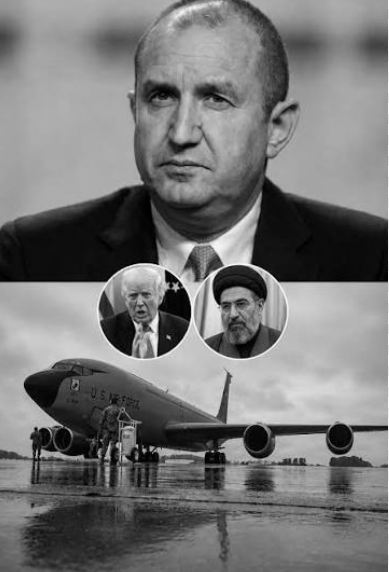
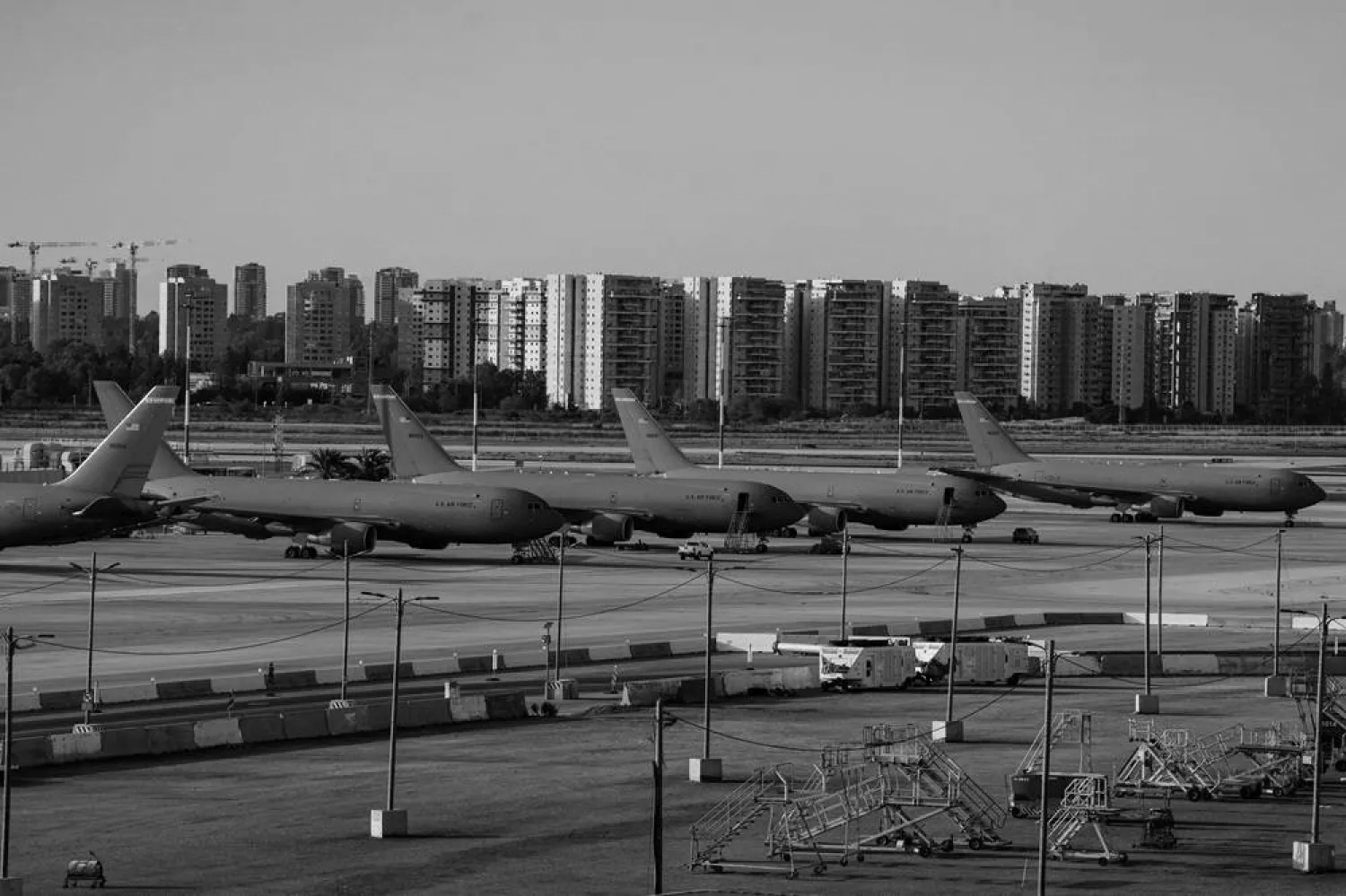
Two US Air Force KC-135 tanker aircraft have left Bulgaria’s Bezmer Air Base, nearly a month after their arrival and weeks before their approved deployment deadline. The early departure has raised fresh questions about whether it was simply the end of a training mission or a response to growing Iranian threats against US military assets in Europe.
Bulgaria’s Defence Minister Dimitar Stoyanov confirmed that the two tankers left on August 21. Bulgaria’s parliament had authorised the deployment of up to eight KC-135 aircraft and 250 US personnel from July 24 until October 1, allowing the aircraft to support US operations in the Middle East.
Stoyanov said Bulgaria had been informed in advance and was working closely with the US government. He insisted the aircraft had not flown into the conflict zone in the Persian Gulf. Instead, their flights were conducted for training over the airspace of allied countries, with the aircraft also providing logistical support connected to combat operations. He said there was no information about a direct threat to Bulgaria’s national security.
But the timing has fuelled speculation.
Iran had strongly opposed the US deployment from the beginning. Tehran warned Bulgaria that allowing American military aircraft to operate from its territory could make Sofia complicit in what Iran called “aggression and war crimes.” Bulgaria rejected the accusation, saying the deployment did not make it a party to US military operations and that no offensive weapons were being stationed there.
Iranian Foreign Minister Abbas Araqchi later urged Bulgaria to reconsider the deployment. Tehran also raised the issue with Cyprus, warning against the use of foreign military bases for operations against Iran.
The situation became more serious last week when the Financial Times reported, citing people familiar with the Iranian regime, that Iran had assessed possible strikes against US military assets in southeastern Europe, including Bulgaria and Cyprus, if Washington escalated the conflict again. NATO responded by saying it was prepared to defend allied territory against any Iranian threat.
That report immediately put Bezmer Air Base under greater scrutiny. Bulgarian authorities increased attention to security around the facility, although officials continued to say there was no direct threat. Local residents had already protested the deployment, fearing the aircraft could make the area a target for Iranian missiles or drones.
The departure has also triggered a separate debate about Russia and Bulgaria’s position inside NATO.
Bulgaria recently allowed a Russian-registered firefighting aircraft to cross its airspace on humanitarian grounds following a request connected to Greece. Some Bulgarian security voices raised concerns that the flight could have provided an opportunity to gather information about military facilities. Sofia dismissed such claims as unfounded.
Reserve Colonel Diman Georgiev described the US withdrawal as a bad signal for Bulgaria and its NATO allies. He argued that the public controversy surrounding the American deployment, combined with the Russian aircraft incident, could undermine confidence in Bulgaria as a secure operating environment. He suggested that the US aircraft may have been moved because Washington did not want them exposed to unnecessary risks.
So the biggest question is not whether Bulgaria “kicked out” American forces. It did not. The real question is whether the early movement of the tankers reflects a wider US effort to reduce the vulnerability of military assets stationed in Europe as the Iran conflict threatens to spread beyond the Middle East.