

Saudi Arabia Turns To Europe As Missile Interceptors Run Low And Allies Hold Back
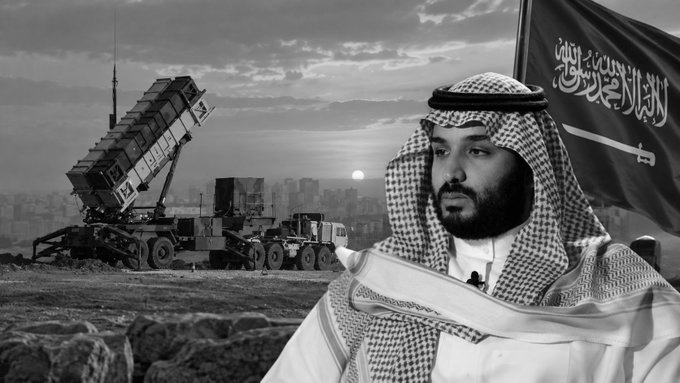
Saudi Arabia is turning to European and regional allies for help as it runs low on missile interceptors amid a growing threat from Yemen’s Iran backed Houthi rebels. Riyadh has reportedly approached Britain, France, Pakistan and Egypt for air defence support as missiles and drones continue to threaten the kingdom.
According to the Associated Press, Saudi Arabia has asked several countries to deploy air defence systems to help counter attacks by the Houthis and other Iran backed groups. However, no country has so far committed to providing military support, highlighting the limits of Riyadh’s network of security partnerships.
The situation is particularly difficult because the United States, Saudi Arabia’s main military ally and a major weapons supplier, is also facing pressure on its interceptor stocks after months of conflict with Iran. This has made it harder for Washington to quickly fill Saudi Arabia’s needs.
Saudi Arabia has spent billions of dollars building one of the region’s most sophisticated military arsenals. But the current crisis highlights a basic problem with missile defence: even advanced systems depend on finite stocks of interceptors.
The threat is also spreading beyond the kingdom’s airspace to its oil infrastructure and shipping routes. Houthi attacks and threats have increased risks around the Red Sea and the strategic Bab el Mandeb Strait.
For Saudi Arabia, the stakes are particularly high because it is the world’s biggest oil exporter. Disruptions to shipping or attacks on energy infrastructure can quickly become an economic problem. Saudi oil production has already fallen. According to the Financial Times, output dropped to about 6.2 million barrels per day in August, the lowest monthly level of the year and 23 per cent below July. Crude exports also fell to around 3.1 million barrels per day, their lowest level since at least 2013.
With missiles incoming, oil infrastructure vulnerable, shipping routes under pressure and interceptor stocks running low, Saudi Arabia is now looking beyond its traditional US security relationship.