
Salary Twice a Month! Nepal Govt Plans New Fortnightly Pay System for Civil Servants
Nepal’s government has approved a new payroll reform that will allow civil servants to receive salaries twice a month , replacing the long-standing monthly payment system in a bid to boost economic liquidity and encourage regular spending .
The decision was cleared by the Ministry of Finance at the ministerial level on April 17, 2026 , and a circular has been issued to the Financial Comptroller General Office (FCGO) to prepare the necessary arrangements for implementation.
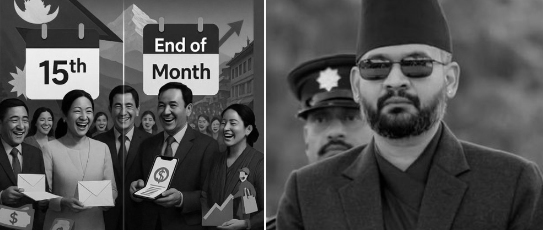
Under the new system, the monthly salaries of government employees will be split into two equal halves , with payments made every 15 days instead of a single payment at the end of the month . Officials believe the move will improve cash flow for workers, help them manage household bills and daily expenses more effectively , and encourage steady consumer spending across the economy.
Authorities say the reform could increase money circulation in local markets and support small businesses , as employees will have access to income more frequently rather than waiting until month-end to make purchases.
However, experts note that the change may also present administrative and financial challenges . Processing salaries twice a month could raise operational costs for government systems , while handling tax deductions, loan repayments and other payroll adjustments may become more complex.
Some economists have also cautioned that frequent payouts could encourage short-term spending without increasing real income , which may have limited impact on economic growth or potentially add inflationary pressure if not managed carefully.
The reform may also require legal adjustments , as Nepal’s Civil Service Act currently provides for salary payments after completion of a month of service .
Officials at the Financial Comptroller General Office say they are technically ready to implement the system , though the timeline will depend on completing administrative and legal processes.
The government is also considering extending the model to teachers, security forces and other public institutions if the initiative proves effective in strengthening Nepal’s economic activity.