
SAEL’s 600 MW Solar Project Boosts AP’s Push to Become Green Energy Leader
Andhra Pradesh has taken another major step in its clean energy journey with the launch of a massive 600 MW solar power project in Kadapa district , reinforcing the state’s ambition to emerge as one of India’s leading renewable energy hubs.
The project, developed by SAEL Limited with an investment of nearly ₹3,000 crore , will be formally inaugurated on Thursday by IT and Industries Minister Nara Lokesh . Considered one of the largest renewable energy projects in the state, the facility is expected to significantly boost Andhra Pradesh’s growing green energy ecosystem.
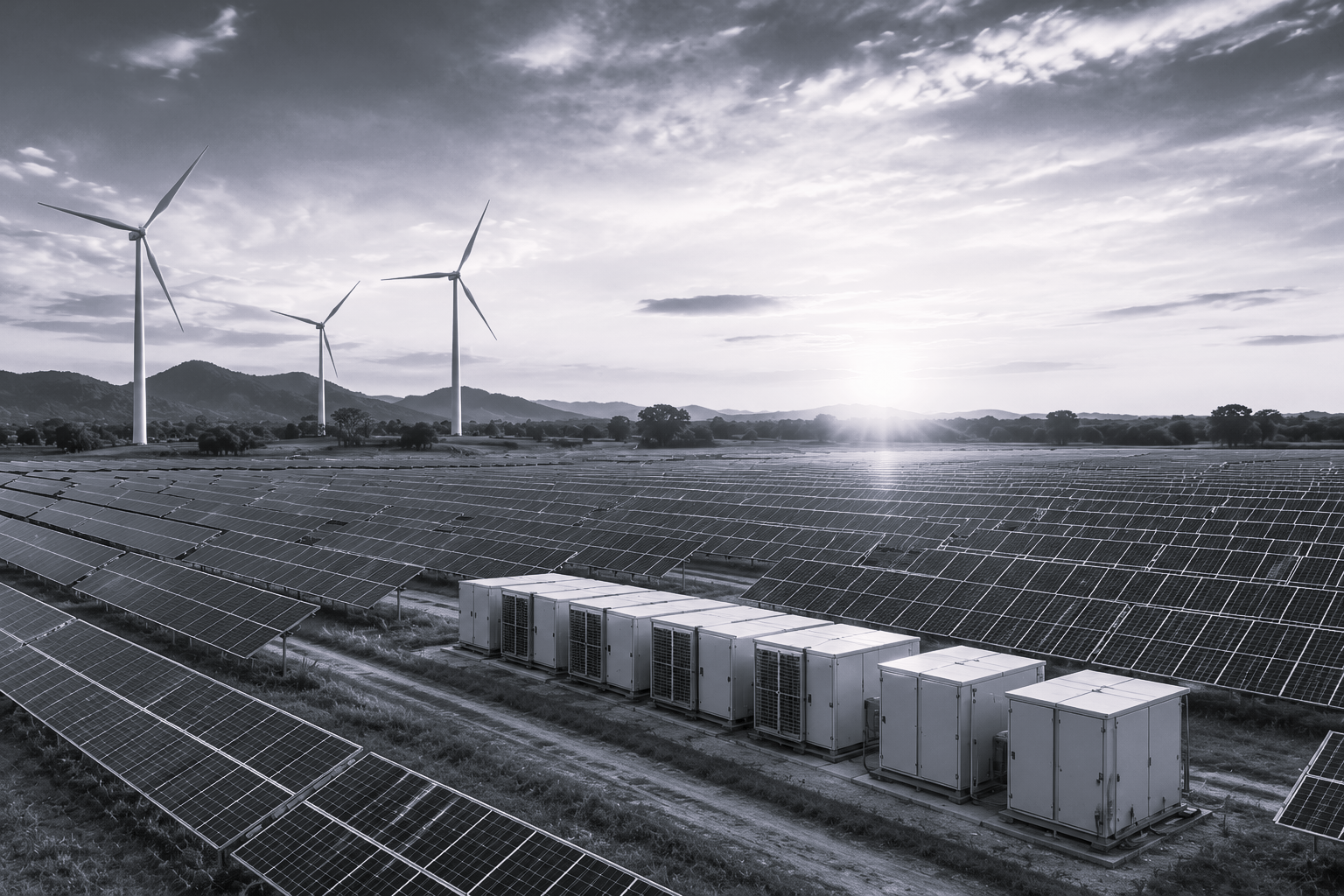
Spread across more than 2,400 acres , the solar park has been developed under two units SAEL Solar MHP1 and MHP2 each with a capacity of 300 MW . What has drawn particular attention is the speed of execution, with the entire project completed in just 11 months , an unusually short timeline for infrastructure of this scale.
The company has deployed over 1.2 million advanced TOPCon bifacial solar modules , a next-generation technology designed to improve efficiency by capturing sunlight from both sides of the panel. A large share of these modules was assembled at SAEL’s manufacturing facilities in Punjab and Rajasthan , reflecting India’s increasing focus on domestic renewable manufacturing.
Commercial operations at the two plants had already commenced earlier this year, with one unit becoming operational in January and the second in March. The electricity generated from the project will be supplied to the national grid under a 25-year Power Purchase Agreement (PPA) with the Solar Energy Corporation of India (SECI) .
Energy experts believe the project could play a meaningful role in reducing carbon emissions, with estimates suggesting it may help cut nearly 1.1 million tonnes of carbon dioxide emissions annually . The development comes at a time when India is rapidly expanding renewable energy capacity to meet its long-term climate commitments and reduce dependence on fossil fuels.
Apart from clean energy generation, the project has also delivered a significant economic boost to local communities. During the construction phase, more than 1,000 people found direct and indirect employment opportunities, with nearly 80 percent of the workforce reportedly drawn from nearby areas.
Long-term land lease agreements signed with local farmers are also expected to improve rural incomes and stimulate economic activity in surrounding villages.
The project aligns closely with the Andhra Pradesh government’s ambitious Integrated Clean Energy Policy–2024 , under which the state aims to attract nearly ₹10 lakh crore in investments by 2029 across renewable energy, green hydrogen, battery storage, transmission and allied manufacturing sectors.
Officials believe the Kadapa project could become a model for future investments and further strengthen investor confidence in Andhra Pradesh’s rapidly expanding clean energy sector.