
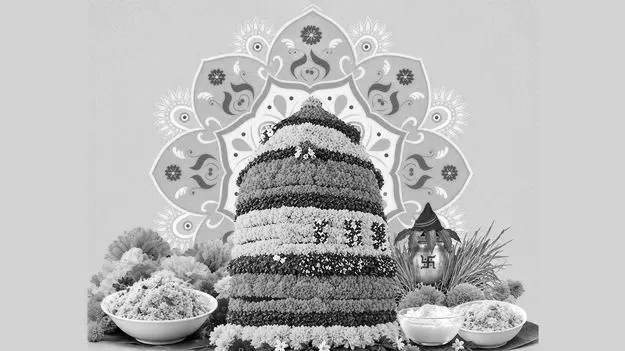
Saddula Bathukamma: Telangana’s Grand Finale Blossoms into a Celebration of Heritage
:
As Telangana celebrates Saddula Bathukamma, the grand finale of its nine-day floral festival, colourful flowers, traditional songs and rhythmic dances bring communities together in a vibrant expression of cultural identity. Also known as Pedda Bathukamma, the final day honours Goddess Gauri and highlights the state’s rich folk traditions, the importance of women in preserving cultural heritage and the deep connection between people and nature. Beyond its religious significance, the festival reflects agricultural traditions, family relationships and the collective spirit that continues to shape Telangana’s cultural landscape.
Bathukamma occupies a distinctive place among Telangana’s traditional celebrations. The name is commonly interpreted as “Mother Goddess, come alive,” reflecting prayers for life, prosperity and well-being. The festival is associated with the worship of Goddess Gauri, a form of Goddess Parvati, and is celebrated during the Navratri period. Several folk legends explain its origins, including a popular story about a royal couple blessed with a daughter named Bathukamma after praying for a child. Although accounts of its beginnings vary, the festival has developed into a powerful symbol of regional identity, feminine strength and cultural continuity.
The seasonal setting adds another dimension to the celebration. Bathukamma coincides with the period following the monsoon, when seasonal flowers bloom across Telangana. Rural communities traditionally collect locally available flowers and use them to create distinctive floral arrangements. The practice reflects an intimate relationship with the natural environment and an appreciation of seasonal abundance. The festival is also associated with gratitude for agricultural prosperity and hopes for healthy crops and community well-being. Although it is not exclusively an agricultural festival, its timing connects the celebrations with the rhythms of rural life and the changing seasons.
The most striking feature of Bathukamma is its floral arrangement, carefully constructed in circular layers to form a colourful, conical structure. Flowers such as thangedu, gunugu, marigold and chrysanthemum are arranged on a broad plate traditionally known as a taambalam. Pumpkin leaves may be used as the base, while flowers of different colours and sizes are placed in successive layers. The resulting arrangement becomes the centrepiece of worship and community gatherings. Each Bathukamma may differ in size and design, depending on the flowers available and the creativity of the family preparing it. This floral artistry distinguishes the festival and reflects traditional knowledge passed down through generations.
The festival unfolds over nine days, with each day associated with particular customs, prayers and food offerings. Women and families prepare floral arrangements, gather with relatives and neighbours, and participate in traditional celebrations. The final day, Saddula Bathukamma, carries special significance because it brings the festivities to a grand conclusion. Families prepare their arrangements with particular care, while neighbourhoods and public spaces become gathering points for participants carrying their floral creations. The celebrations combine religious observance with social interaction, giving people an opportunity to reconnect with their communities and reaffirm shared traditions.
Food is central to the final day’s rituals. The term saddulu refers to the rice-based dishes traditionally prepared and offered to Goddess Gauri. Common preparations include lemon rice, tamarind rice, coconut rice, sesame rice and curd rice, although the dishes and methods of preparation may vary between families and local traditions. Some households also prepare maleeda, a traditional sweet made from roti and jaggery. After the offerings, food is shared among family members and participants. These customs express gratitude, hospitality and hopes for abundance while preserving culinary traditions that have been passed from one generation to another.
Women remain at the heart of Bathukamma celebrations, leading the preparation of floral arrangements, organising food offerings and keeping traditional songs alive. Dressed in colourful saris and traditional jewellery, they gather around the Bathukammas, forming circles and singing folk songs accompanied by rhythmic clapping and coordinated dances. The songs reflect devotion, family relationships, local history and social experiences, making them an important part of Telangana’s oral cultural heritage. The festival also provides an opportunity for married daughters to return to their parental homes and celebrate with their families, strengthening relationships between generations and reinforcing bonds of kinship and friendship.
The collective nature of the celebrations is one of Bathukamma’s defining characteristics. Unlike events centred primarily on individual performances, the traditional dances encourage participation and togetherness. Women of different ages share songs, learn customs and exchange experiences, while children observe and participate in practices that connect them with their cultural roots. In villages, towns and cities, these gatherings create a common space for people from different backgrounds to celebrate a shared regional tradition. The festival therefore serves not only as a religious observance but also as a social institution that supports community relationships and cultural transmission.
Bathukamma has also emerged as an important symbol of Telangana’s regional pride. Its distinctive floral arrangements, folk music, traditional food and women-led celebrations represent cultural practices that remain relevant despite changing lifestyles and urbanisation. For younger generations, participating in the festival offers an opportunity to understand the significance of local flowers, learn traditional songs and appreciate the customs of earlier generations. The continued observance of Bathukamma demonstrates how community traditions can adapt to contemporary life while retaining their essential character.
The festivities conclude with the ceremonial immersion of Bathukamma arrangements in nearby ponds, lakes and other water bodies. Participants carry their floral creations in processions, often accompanied by songs and dances, before immersing them according to local customs. The ritual marks the farewell to the floral goddess and symbolises the relationship between flowers, water and life. The closing ceremony brings the nine-day celebration to an emotional conclusion, as families and communities gather for the final observance. Responsible celebrations are equally important, with participants encouraged to avoid plastic, synthetic decorations and other non-biodegradable materials that could pollute water bodies.
Saddula Bathukamma’s lasting significance lies in the way it brings together devotion, nature, food, folk art and community participation. Its floral arrangements celebrate seasonal beauty, its songs preserve regional traditions, and its collective rituals strengthen relationships among families and neighbours. The festival also highlights women’s role in maintaining cultural knowledge and passing it to future generations. More than a floral celebration, Saddula Bathukamma is a living expression of Telangana’s heritage, womanhood, environmental connection and community spirit, reaffirming the value of preserving traditional practices while ensuring that future celebrations remain inclusive and environmentally responsible.