
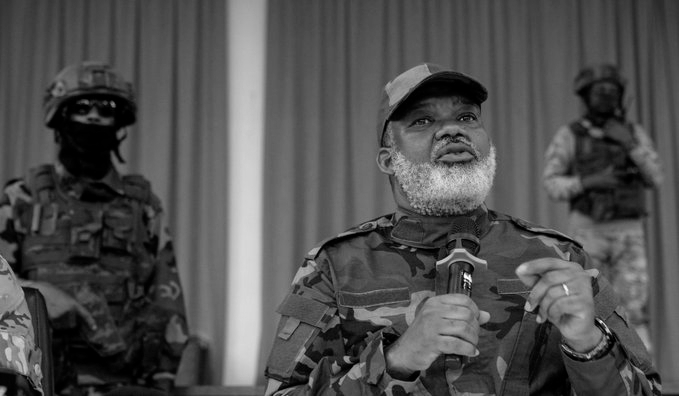
Rwanda-Backed Rebels Accuse US of Falling Short as Peace Mediator in Congo's Conflict
Rwanda-backed rebels in the Democratic Republic of Congo have accused the United States of failing to remain an impartial mediator in the worsening conflict in the country’s mineral-rich eastern region , despite Washington’s efforts to broker peace and secure access to critical mineral reserves .
In a letter addressed to US Secretary of State Marco Rubio, rebel leader Corneille Nangaa said Washington had failed to pressure Congo’s government over alleged violations of peace commitments. The letter was signed by the Congo River Alliance , which includes the Rwanda-backed M23 rebel group .
The criticism comes months after Congo and Rwanda signed a US-mediated peace accord aimed at ending decades of violence in eastern Congo and opening the way for economic cooperation involving rare earth minerals , cobalt and coltan. US President Donald Trump had praised Congolese President Felix Tshisekedi and Rwandan President Paul Kagame after the agreement.
However, fighting has continued across North and South Kivu provinces. M23 rebels captured Goma and later Bukavu during major offensives, displacing hundreds of thousands and worsening one of the world’s largest humanitarian crises. UN estimates suggest around seven million people displaced , while thousands have been killed since violence escalated in 2025.
The rebels also criticised US sanctions on former Congolese President Joseph Kabila and Rwandan officials accused of supporting M23, arguing Washington had taken no action against authorities in Kinshasa. The group said the lack of pressure on Congo’s government raised concerns over the impartiality and neutrality of the American mediation effort.
According to the United Nations, M23 has expanded from a few hundred fighters in 2021 to nearly 6,500 fighters today. Congo, the US and UN experts continue to accuse Rwanda of backing the rebels, allegations Kigali has repeatedly denied.
President Tshisekedi recently warned that continued insecurity could even delay Congo’s planned 2028 elections, adding to fears over the country’s growing political and humanitarian crisis.