
Russia’s overnight missile and drone attack on Ukraine raises nuclear safety fears
Russia launched a massive overnight barrage of drones and missiles on Ukraine, striking power substations that supply two nuclear power plants and killing at least seven people. Ukrainian officials described the assault as one of the most serious attacks on energy infrastructure this year, warning that it could have endangered nuclear safety across Europe.
According to Ukrainian authorities, the strikes hit substations connected to the Khmelnytskyi and Rivne nuclear power plants in western Ukraine. These facilities are vital for maintaining stable electricity to the reactors. Although no direct damage to the nuclear sites was reported, power disruptions around them triggered heightened safety alerts. Ukraine’s Foreign Minister Andrii Sybiha called the attack “well-planned” and accused Russia of “deliberately endangering nuclear safety in Europe.” He urged the International Atomic Energy Agency to act swiftly and asked global powers, including China and India, to pressure Moscow to stop its “reckless behavior.”
Officials said the strike involved more than 450 drones and at least 45 missiles targeting critical power facilities across the country. Ukrainian air defenses intercepted most of the drones, but only a fraction of the missiles were brought down. In Dnipro, a drone strike destroyed an apartment block, killing three people. Three others died in Zaporizhzhia and one in Kharkiv. The attacks left several regions without power or water, prompting rolling blackouts lasting up to sixteen hours.
Experts say that even indirect hits on power lines connected to nuclear plants are extremely risky, as they can disrupt reactor cooling systems and cause cascading safety failures. The International Atomic Energy Agency has repeatedly warned that nuclear plants should never become part of military operations.
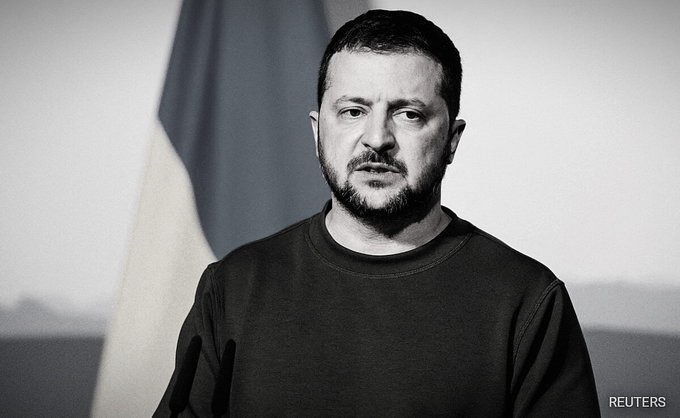
President Volodymyr Zelenskyy said the strikes prove that sanctions against Russia’s energy sector remain too weak and called for “stronger, unified measures” to prevent similar attacks. Russia, however, claimed its operation targeted Ukraine’s weapons and fuel infrastructure in retaliation for recent attacks on Russian soil.
The latest wave of strikes highlights how Russia’s winter campaign aims to cripple Ukraine’s energy grid before temperatures drop. It also renews international fears about the growing nuclear risk posed by the war, a danger that could extend far beyond Ukraine’s borders if the pattern continues.