
Russia Warns UK, NATO Of Nuclear Weapons Over Kaliningrad Strike Plot
Russia on Tuesday warned the United Kingdom and NATO that any military action against Russian territory could trigger a response involving nuclear weapons, after a fictional television war game explored a hypothetical British strike on Kaliningrad. The warning came as Russia continued a major missile and drone assault on Ukraine, with Kyiv facing increasingly difficult air-defence challenges.
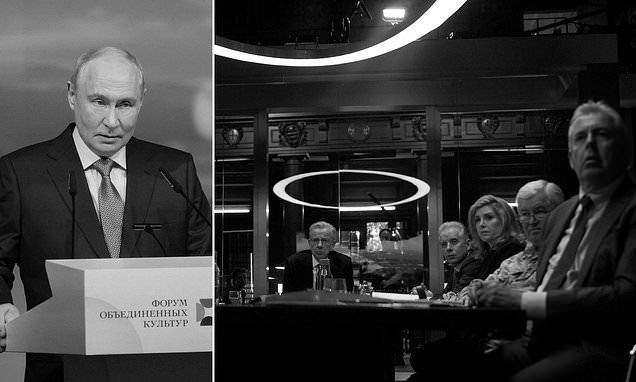
The Russian embassy in the UK shared screenshots of coverage of Sky News’ The Wargame and an article in the i newspaper. The television series explores a hypothetical Russia-UK confrontation in which Moscow launches an attack on Britain and a British response is considered.
“Those advocating plans to blockade or strike Kaliningrad should have no illusions about the consequences,” the embassy said. It added that any British or NATO military action against Russian territory would be met with all means available to Russia, “including nuclear weapons”.
The scenario involving Kaliningrad is fictional. The programme was not organised by the British government and did not represent an actual British military operation or an announced plan to attack Russia. The Russian warning was nevertheless issued publicly in response to the hypothetical scenario portrayed by the programme.
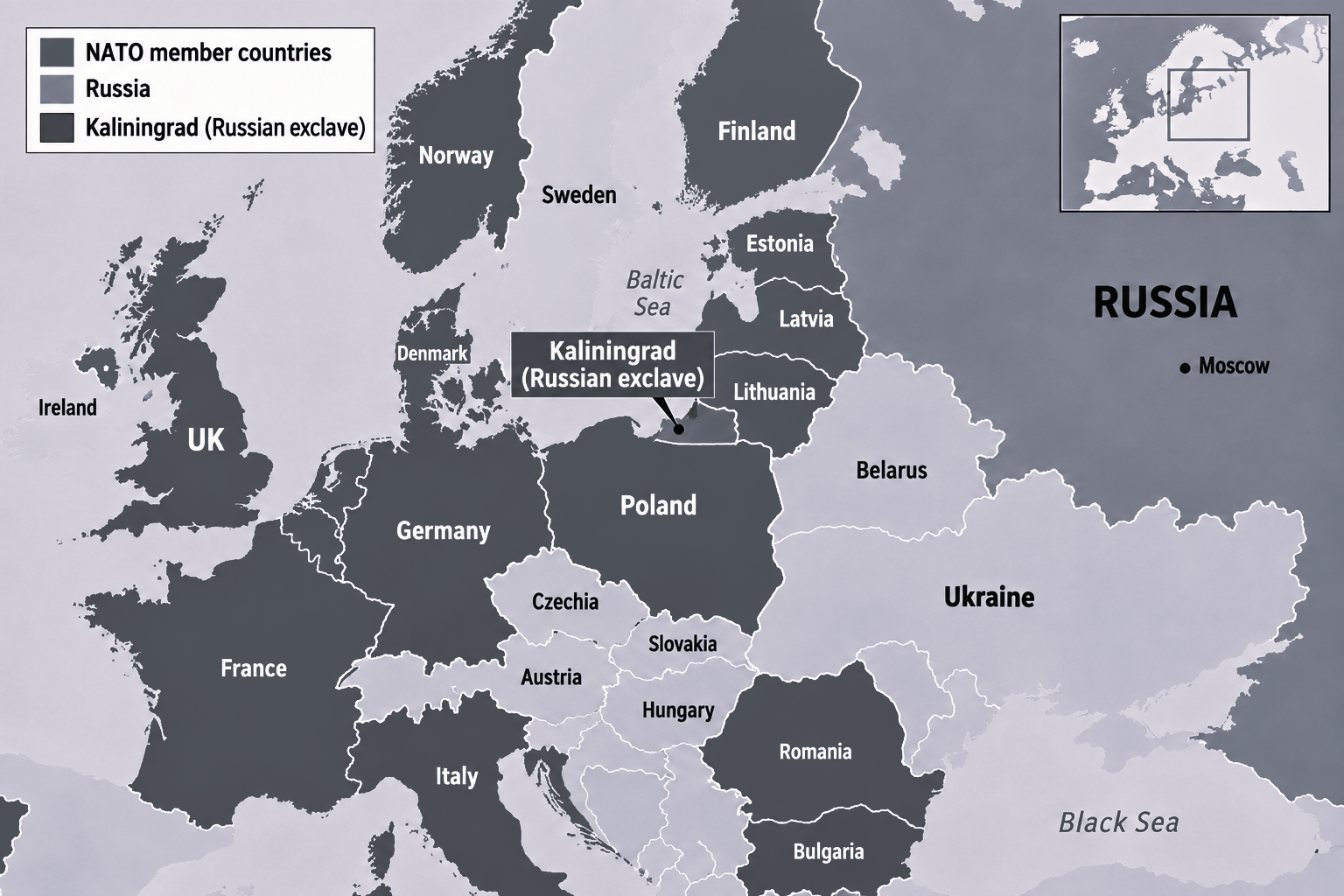
Kaliningrad is a strategically important Russian exclave on the Baltic Sea, separated from mainland Russia and located between NATO members Poland and Lithuania. The territory has long featured in hypothetical scenarios involving a potential Russia-NATO conflict because of its location and Russia’s military presence there.
The nuclear warning came alongside another Russian warning concerning Kaliningrad. Moscow separately said that any NATO attempt to isolate the exclave from mainland Russia could result in a direct military confrontation, and said it was prepared to use its available weapons to defend the region.
Russia has issued similar nuclear warnings to Western countries during the Ukraine war. The latest statement comes as Britain and other NATO members continue supporting Ukraine and strengthening their military preparations in response to Russia’s invasion.
Meanwhile, Russia’s war in Ukraine entered another intense phase on Tuesday. Ukrainian officials said Russia launched 152 drones and three missiles overnight from September 28 to 29, including 82 jet-powered drones, a Zircon/Oniks missile and two Iskander-M/S-400 ballistic missiles. Ukraine’s Air Force said its forces destroyed or suppressed 109 aerial targets, including all three missiles and 106 drones.
The newer jet-powered drones are creating additional problems for Ukrainian air defences because they fly faster and higher than many conventional drones. Ukraine is developing interceptor drones to counter them, while its stocks of US-made Patriot interceptors remain under pressure.
The latest barrage came hours after a Russian drone strike on the National Academy of Sciences in Kyiv killed two people. Ukraine said Russian attacks over the preceding day killed at least nine people and wounded more than 80, while strikes also damaged civilian and infrastructure sites in several regions.
The escalation is also raising concerns about the approaching winter, when Russia has previously targeted Ukraine’s energy infrastructure. President Volodymyr Zelenskyy has warned of further Russian mobilisation and said another 10,000 North Korean troops are heading to Russia, in addition to thousands he says are already there.
The latest developments therefore combine an intensifying Russian aerial campaign against Ukraine with increasingly explicit warnings about a possible Russia-NATO confrontation, with Kaliningrad once again at the centre of the rhetoric.