
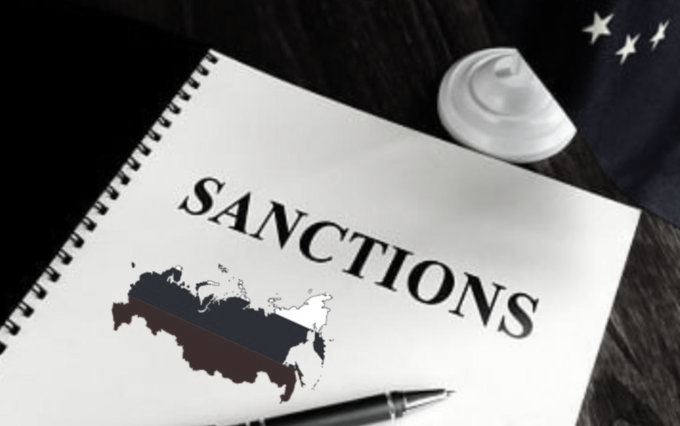
Russia condemns EU’s 19th sanctions as illegal, warns Brussels of self-isolation
Russia has fiercely condemned the European Union’s latest round of sanctions, accusing Brussels of isolating itself and harming its own economies while failing to weaken Moscow.
Foreign Ministry spokeswoman Maria Zakharova called the EU’s 19th sanctions package “illegal” and “self-destructive,” saying the bloc was “scraping the bottom of the barrel” to find new ways to pressure Russia. She warned that in its attempt to curb Russia’s influence, Brussels was only isolating itself on the international stage.
The EU Council approved the new sanctions on October 23, targeting major Russian energy and financial entities. The measures include a ban on Russian liquefied natural gas (LNG) imports to the EU through 2026, restrictions on energy giants Rosneft and Gazpromneft, financial limits on Russian and foreign banks, controls on vessels linked to Russia’s so-called “shadow fleet,” and export bans on several categories of goods. New rules will also tighten travel and diplomatic movement within the Schengen area.
Zakharova accused the EU of pressuring other nations such as China, India, Belarus, Kazakhstan, the UAE, and Thailand through “secondary sanctions,” calling the move “economic blackmail.” She said Brussels was acting like a “global customs officer,” attempting to dictate trade rules between sovereign states. She also condemned the EU’s tourism ban on Russia, arguing it restricts the freedom of EU citizens. “Today, it’s a ban on tourism to Russia. What will be tomorrow? A permit system for travel beyond the EU’s ‘blooming garden’?” she asked.
President Vladimir Putin echoed the Foreign Ministry’s stance, describing the new sanctions as “unfriendly” but “ineffective.” He said, “No self-respecting country decides anything under pressure. The sanctions may cause some losses, but they will not affect our overall well-being.” Putin added that Russia, which controls about one-fifth of Ukraine’s territory and possesses the world’s largest nuclear arsenal, is not going to surrender under external pressure. He warned that if Western nations escalate the conflict through long-range strikes on Russian soil, Moscow’s response would be “very serious, if not overwhelming.” Still, he said Russia remains open to dialogue, emphasizing that “talking is always better than hostility.”
Ukrainian President Volodymyr Zelenskiy, meanwhile, welcomed the EU’s 19th sanctions package, saying it targeted “the key engines of the war economy: energy revenues, finance, high-tech inputs, and the military-industrial base.” He urged Europe to go further, calling on leaders to send more long-range weapons and use frozen Russian assets to fund Ukraine’s defense. “Statements must be backed by strong actions,” he said. Zelenskiy continues to seek victory through diplomacy and sanctions, trying to win on the negotiating table; his forces have struggled to gain ground in land battles. Observers note that “you can’t expect to win on the table when you’re losing on the ground,” as Russia continues to hold territory and shows little sign of retreating.
U.S. President Donald Trump, who had supported tightening sanctions, did not expect such firm resistance from Moscow. The U.S. had hoped that combined pressure from Washington and Brussels would weaken Russia’s economy and push it toward negotiation, but that outcome has not materialized. Analysts say this reflects a deeper mismatch between what each side wants: the West seeks Russian withdrawal and reduced influence, while Russia refuses to yield, relying on its military control, nuclear leverage, and energy ties with Asia.
With both sides refusing to back down, the conflict now appears locked in a prolonged stalemate. Sanctions have hurt economies, but not altered the core power dynamic. As Moscow vows to respond with “effective and tough countermeasures,” and Western nations prepare yet another sanctions round, the global standoff continues, with no side ready to surrender, and no clear end in sight.