
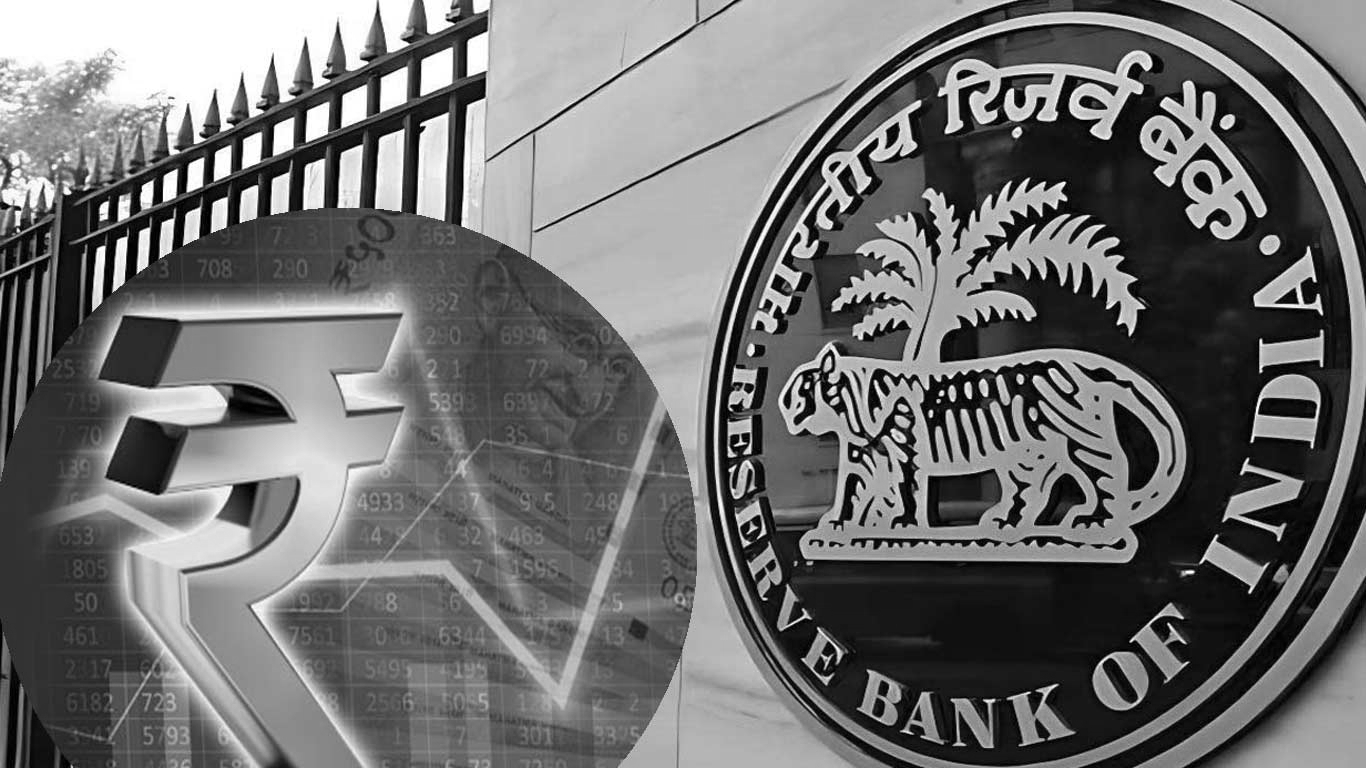
Rupee nears 90 against dollar, RBI steps in
The Indian rupee edged closer to the psychologically significant 90-per-dollar mark on Monday, continuing its recent slide against the U.S. currency amid domestic and global pressures. Early trading suggested the rupee could fall past 89.50, sparking concerns among investors and importers.
The currency’s decline has accelerated in the past few days. For weeks, the rupee had been holding around 88.80 per dollar, a level the Reserve Bank of India (RBI) had actively defended. On Friday, it broke past 88.80, and by Monday it had dropped to 89.16, a rapid fall of 0.36 points in just a couple of days. Near key thresholds like 90, even small moves are seen as significant, prompting heightened market attention.
Several factors are weighing on the ru pee. The U.S. dollar has strengthened globally, supported by robust economic data and elevated interest rates, while safe-haven demand amid global uncertainties has intensified. Domestically, importers, corporates, and oil companies have increased their dollar purchases, adding pressure. India’s widening trade deficit, with imports exceeding exports, has further stretched the currency. Foreign portfolio inflows have also slowed, reducing a key source of dollar supply.
Market sentiment has also been affected by delays in the U.S.-India trade agreement. Traders say clarity on the deal could boost confidence, ease dollar demand, and help the rupee recover. Analysts, however, caution that any gains may be temporary unless broader macroeconomic pressures, including global dollar strength and trade imbalances, are addressed.
In response to the slide, the RBI intervened on Monday, selling dollars on both the interbank platform and the non-deliverable forward (NDF) market. The move helped the rupee open stronger at 89.15 and later trade at 89.16, up 0.35% on the day. RBI Governor Sanjay Malhotra noted that India’s substantial foreign exchange reserves provide “ample protection” against volatility, underscoring the central bank’s ability to support the currency when needed.
While Monday’s intervention has calmed immediate concerns, the rupee’s near-term stability will continue to depend on global dollar trends, domestic demand for foreign currency, and the pace of progress on the U.S.-India trade deal. Analysts warn that volatility may persist until a clearer policy and trade outlook emerges.