
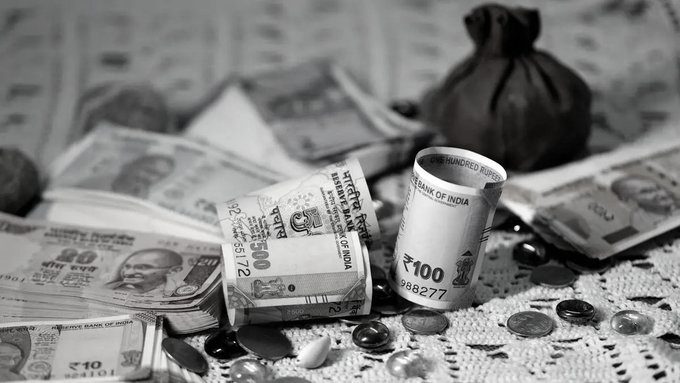
Rupee gains 5 paise to 88.64 against US dollar
The rupee’s slight appreciation marks a welcome recovery after months of weakness. Earlier this year, it had touched record lows amid US trade tensions and global volatility. From around ₹85 per dollar in May, the rupee slid close to ₹88.70 before regaining some ground in late October.
Analysts say the latest gain reflects underlying resilience. “The rupee traded on a positive note amid optimism over India-US trade talks and easing geopolitical tensions. We expect the currency to maintain a positive bias with support from potential FDI inflows,” said Anuj Choudhary, Research Analyst, Currency and Commodities, Mirae Asset ShareKhan.
He added that investors remain cautious ahead of US inflation data and potential trade measures, with USD/INR expected to fluctuate between 87.45 and 88.10.
Every Time the US ‘Sneezes,’ India Seems to Catch a Cold
The rupee’s trajectory continues to mirror global cues, especially those from the United States. Each shift in US trade or monetary policy has a ripple effect on emerging markets like India. This year alone, the rupee has hit record lows amid American rate changes and trade tensions.
While the Federal Reserve’s rate cut has offered short-term relief, analysts warn that any renewed tightening, sanctions, or global slowdown could once again weigh heavily on the rupee. Still, the fact that the Indian currency is holding its ground despite these pressures is seen as a sign of improved macroeconomic resilience.
Macro Factors Driving the Rupee
Several macroeconomic elements are shaping the rupee’s performance:
• Crude Oil Prices : India imports over 80% of its crude oil needs. The recent fall in Brent crude to USD 64.56 per barrel has eased the import bill and improved the current account outlook.
• Foreign Fund Flows : Over ₹1 trillion has been withdrawn from Indian markets in recent months. Persistent FII outflows continue to weigh on the currency.
• Trade and Geopolitical Factors : Optimism around India-US trade talks and easing geopolitical tensions have lent temporary support. However, any new US sanctions or tariffs could add fresh pressure.
• Global Monetary Policy : The US Fed’s cautious stance and comments on inflation have influenced global capital flows, indirectly affecting emerging market currencies like the rupee.
• Gold Imports : India’s high demand for gold continues to impact its current account balance and foreign exchange reserves.
A Cautious but Positive Outlook
Despite persistent global headwinds, the rupee’s recovery offers a positive signal for India’s economy. Analysts believe stability in the currency, supported by lower oil prices, improving trade expectations, and resilient domestic fundamentals, reflects India’s growing ability to withstand external shocks.
While uncertainties in the US economy continue to cast a shadow, the rupee’s modest rebound underscores cautious optimism, suggesting that India may finally be finding balance amid global turbulence.