
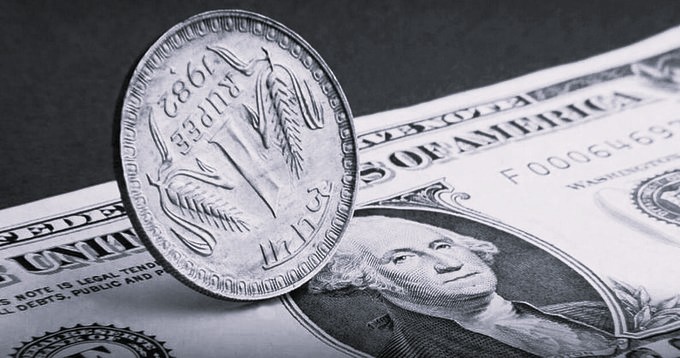
Rupee Drops 23 Paise to Fresh All-Time Low Amid Dollar Strength
The Indian rupee has been on a steady downward trajectory in recent sessions, hovering close to record lows against the US dollar and raising concerns among policymakers, investors, and businesses. The continued weakening of the domestic currency reflects a mix of global headwinds and domestic pressures, with experts warning that volatility may persist in the near term.
At the heart of the rupee’s decline is the strength of the US dollar . The greenback has remained firm globally, supported by relatively higher interest rates in the United States and safe-haven demand amid geopolitical uncertainty. A rising dollar typically puts pressure on emerging market currencies like the rupee, making imports costlier and triggering capital outflows .
One of the most critical factors impacting the rupee is the surge in crude oil prices . Ongoing tensions in West Asia, particularly involving Iran and strategic routes like the Strait of Hormuz, have kept energy markets volatile. For India, which imports the majority of its oil requirements, higher crude prices widen the trade deficit and increase demand for dollars, thereby weakening the rupee.
Foreign capital flows have also played a major role. Persistent selling by foreign institutional investors in Indian equity markets has added pressure on the currency. When overseas investors pull money out, they convert rupees into dollars, leading to depreciation of the local unit.
Another contributing factor is India’s widening current account deficit . As imports—especially oil and gold rise faster than exports, the imbalance increases the demand for foreign currency. This structural issue continues to weigh on the rupee, particularly during periods of global uncertainty.
Geopolitical developments have further intensified volatility. Statements by Donald Trump regarding negotiations with Iran, coupled with ongoing tensions in the region, have created uncertainty in global markets. Such situations typically lead investors to move funds into safer assets like the US dollar, weakening emerging market currencies.
The role of the Reserve Bank of India has been crucial in managing the situation. The central bank has intervened intermittently in the foreign exchange market to curb excessive volatility and prevent sharp depreciation in the rupee. However, sustained global pressures limit the effectiveness of such interventions over the long term.
Inflation dynamics also influence the rupee’s movement. Rising import costs, especially for fuel, can push domestic inflation higher, reducing purchasing power and affecting overall economic stability. Additionally, interest rate differentials between India and the US impact capital flows, further shaping currency trends.
Despite the weakness in the rupee, Indian equity markets have shown resilience at times, indicating that domestic growth prospects still attract investors. However, analysts caution that prolonged currency depreciation could impact corporate earnings, particularly for companies dependent on imports.
Looking ahead, the rupee’s trajectory will depend on several evolving factors—global crude oil prices, the direction of the US dollar, foreign investment flows, and geopolitical developments. Unless there is a significant easing in global tensions or a reversal in capital flows, the rupee is likely to remain under pressure, with markets closely watching whether it breaches new record lows in the coming weeks.
In essence, the rupee’s fall is not driven by a single cause but a complex interplay of global and domestic forces, underscoring the challenges faced by emerging economies in an increasingly uncertain world.