
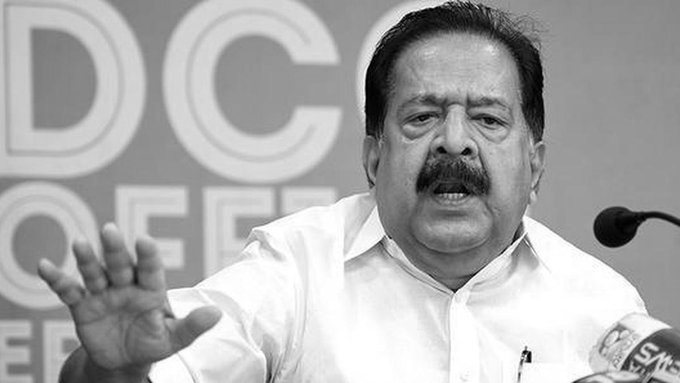
RTI Exemption Will Not Shield Corruption Cases, Says Kerala Minister Chennithala
Kerala Home Minister Ramesh Chennithala on Tuesday said the exemption granted to two sections of the Vigilance and Anti-Corruption Bureau (VACB) from the Right to Information (RTI) Act would not be used to deny information relating to corruption and human rights violations.
Replying to a question by CPI MLA K K Valsaraj in the Assembly, Chennithala said the government intended to maintain transparency while ensuring that the disclosure of sensitive information did not compromise ongoing investigations.
“The most important point is that we have no intention whatsoever of weakening the Right to Information Act,” he said.
Valsaraj had expressed concern that exempting the VACB's T1 and T2 sections, which handle confidential case files, could undermine transparency, particularly in investigations involving allegations against influential people. He also highlighted RTI provisions requiring exempted organisations to disclose information concerning corruption and human rights violations.
Responding to the concerns, Chennithala said such information could be provided after the investigation was completed. Disclosing confidential documents, informant details and evidence during an ongoing probe could alert the accused and hamper the collection of evidence, he said.
“If we provide documents relating to an investigation in advance, while the investigation is still under way, it will defeat the purpose of the inquiry,” the minister said. He added that FIRs and charge sheets were submitted to courts after investigations and could be made available to the public. Information concerning the VACB was also published on its website in accordance with RTI requirements, he said.
Chennithala said the exemption followed a recommendation made by the Director of Vigilance in a letter dated January 11, 2025, citing concerns about the impact of disclosure on ongoing investigations.
The minister maintained that the measure covered only around one to two per cent of cases, involving highly confidential matters, including vigilance trap cases and investigations where sensitive information could jeopardise proceedings.
He also cited exemptions granted to central agencies, including the Intelligence Bureau and the CBI, and certain investigative units in Kerala. Valsaraj stressed that citizens' right to information on corruption must remain protected.