
RTC Strike Triggers Statewide Disruption, Fuels Debate on Employee Welfare
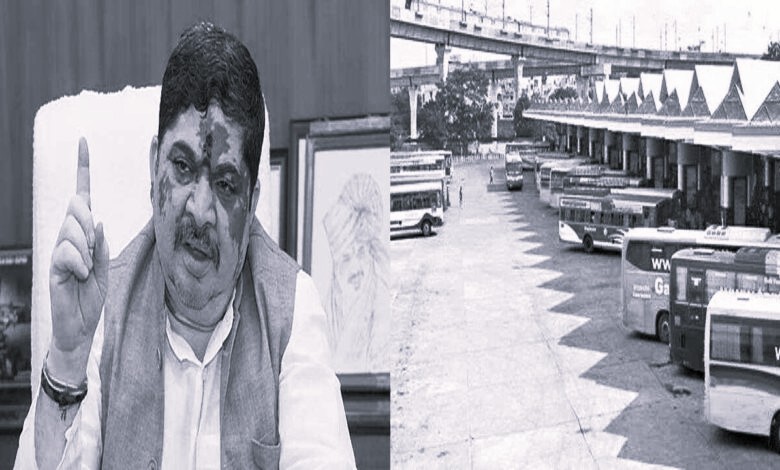
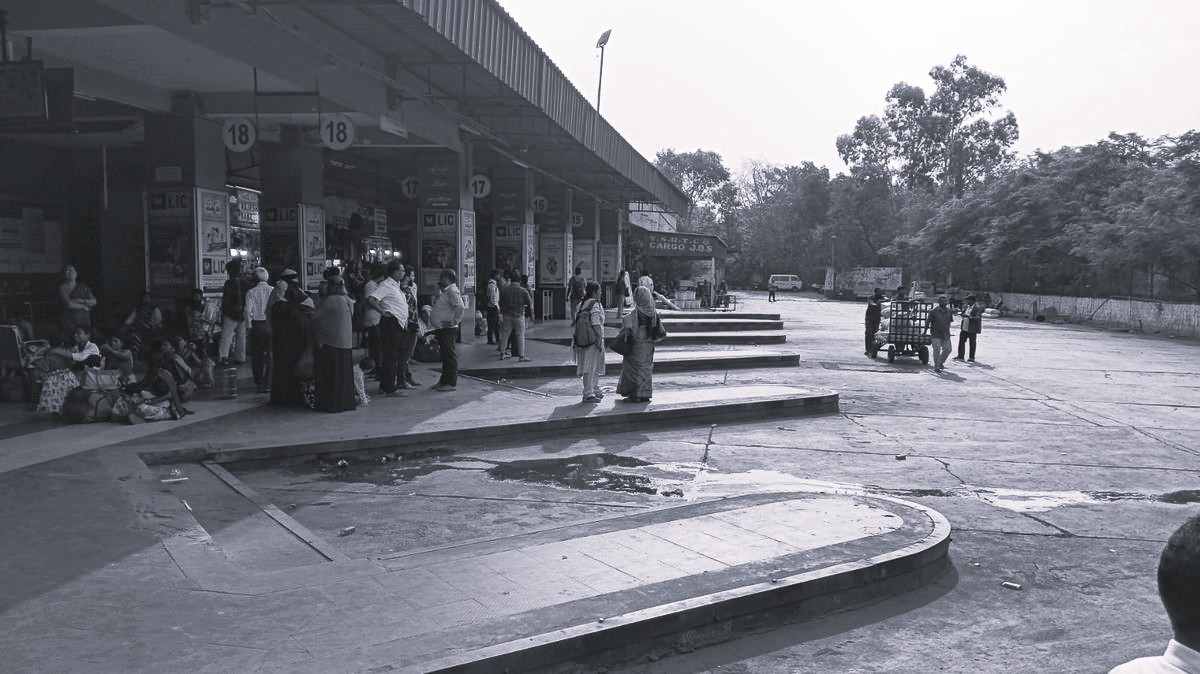
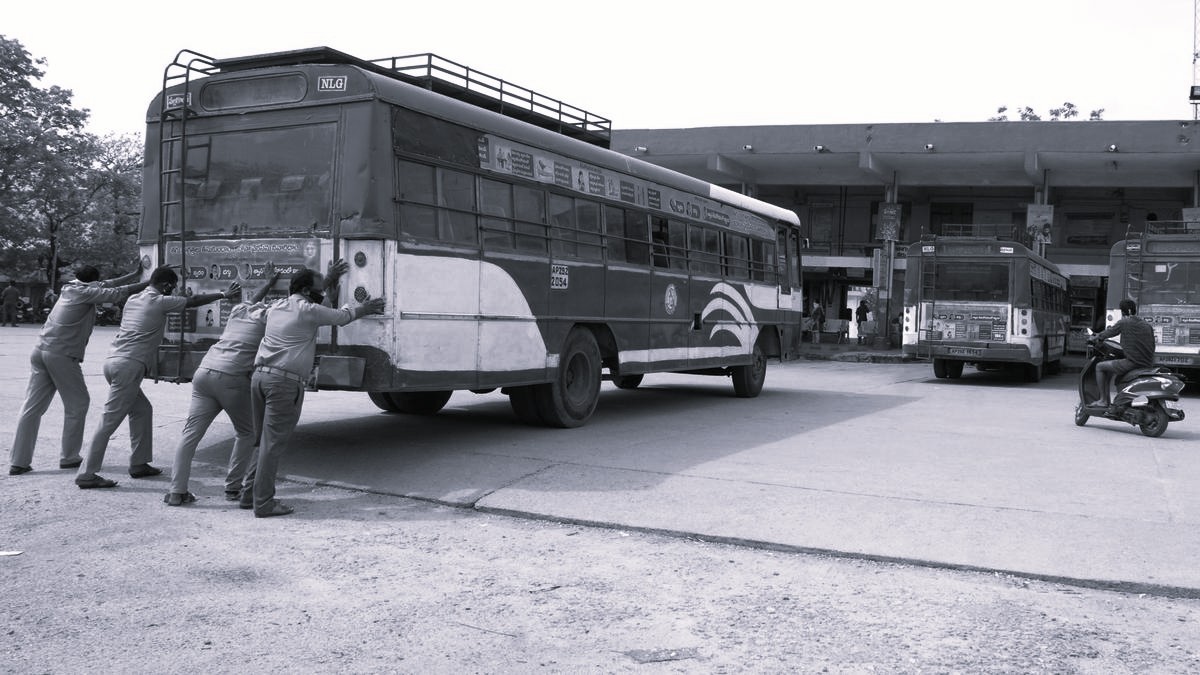
The strike by Telangana RTC employees has evolved into more than just a labour protest, emerging as a flashpoint that exposes deeper tensions between financial recovery claims and unresolved workforce concerns. What began as a breakdown in talks has now paralysed public transport across the state, with buses remaining off the roads and lakhs of commuters scrambling for alternatives. From overcrowded railway platforms to surging private fares, the disruption has quickly spilled into everyday life, hitting students, workers, and rural passengers the hardest.
At the centre of the standoff lies a fundamental disagreement over the narrative of financial improvement . While the government points to stabilising revenues and reduced losses as signs of recovery, employees argue that these gains exist largely on paper and have not translated into tangible benefits. For many workers, delayed payments, rising workload, and stagnant wages continue to define their reality, creating a disconnect between official claims and lived experience.
The demand for a long-pending Pay Revision Commission (PRC) has become a rallying point for the unions, who insist that wage corrections and arrears are essential after years of financial strain. Alongside this, the call for a merger with government remains one of the most emotionally charged issues. Employees see it not just as an administrative change, but as a pathway to government employee status , promising greater job security, structured benefits, and long-term stability something they believe is still out of reach under the current corporate structure.
The government, however, maintains that it has shown willingness for dialogue , claiming that a majority of the demands have already been addressed or are under consideration. It has also framed the agitation within a larger political context, alleging political interference by opposition forces seeking to capitalise on the unrest. Unions have pushed back strongly against this charge, asserting that the movement is rooted in genuine workplace issues rather than political influence.
Amid the noise, officials have sought to clear misconceptions, reiterating that the RTC has not been dissolved and continues to function as a public sector corporation. Administrative changes, including the appointment of new Managing Directors , are being described as routine decisions rather than indicators of structural overhaul.
Yet, the longer the impasse continues, the more visible its ripple effects become. Beyond commuter inconvenience, there are early signs of strain on supply chains and local markets, hinting at a broader economic impact if the deadlock persists. The situation now stands at a critical juncture, where both sides face increasing pressure to move from positions to solutions.
Ultimately, the RTC strike reflects a larger policy dilemma how to balance economic sustainability with workforce expectations in a public service sector that millions depend on daily. Whether this confrontation leads to meaningful reform or prolonged disruption will depend on how quickly trust can be rebuilt between the government and its transport workforce.