
Roadmap in Hand, House Yet to Be Built: US and Iran Seal 60-Day Deal Framework, Trump Nearly Tanks the Talks
A marathon 18-hour summit at Switzerland's Burgenstock resort concluded Monday with Washington and Tehran agreeing on a roadmap for a final deal , even as President Donald Trump nearly capsized the proceedings from his phone while Vice President JD Vance sat across the table from Iranian officials.
The first formal review under the Islamabad Memorandum of Understanding (MoU) , signed by Trump and Iranian President Masoud Pezeshkian on June 17, ended in a joint statement issued by mediators Pakistan and Qatar declaring that the parties had agreed on a roadmap for reaching a final deal within 60 days , and would establish a dedicated communication line to avoid incidents and miscommunication in the Strait of Hormuz . Technical talks are to continue through the remainder of the week at the same resort.
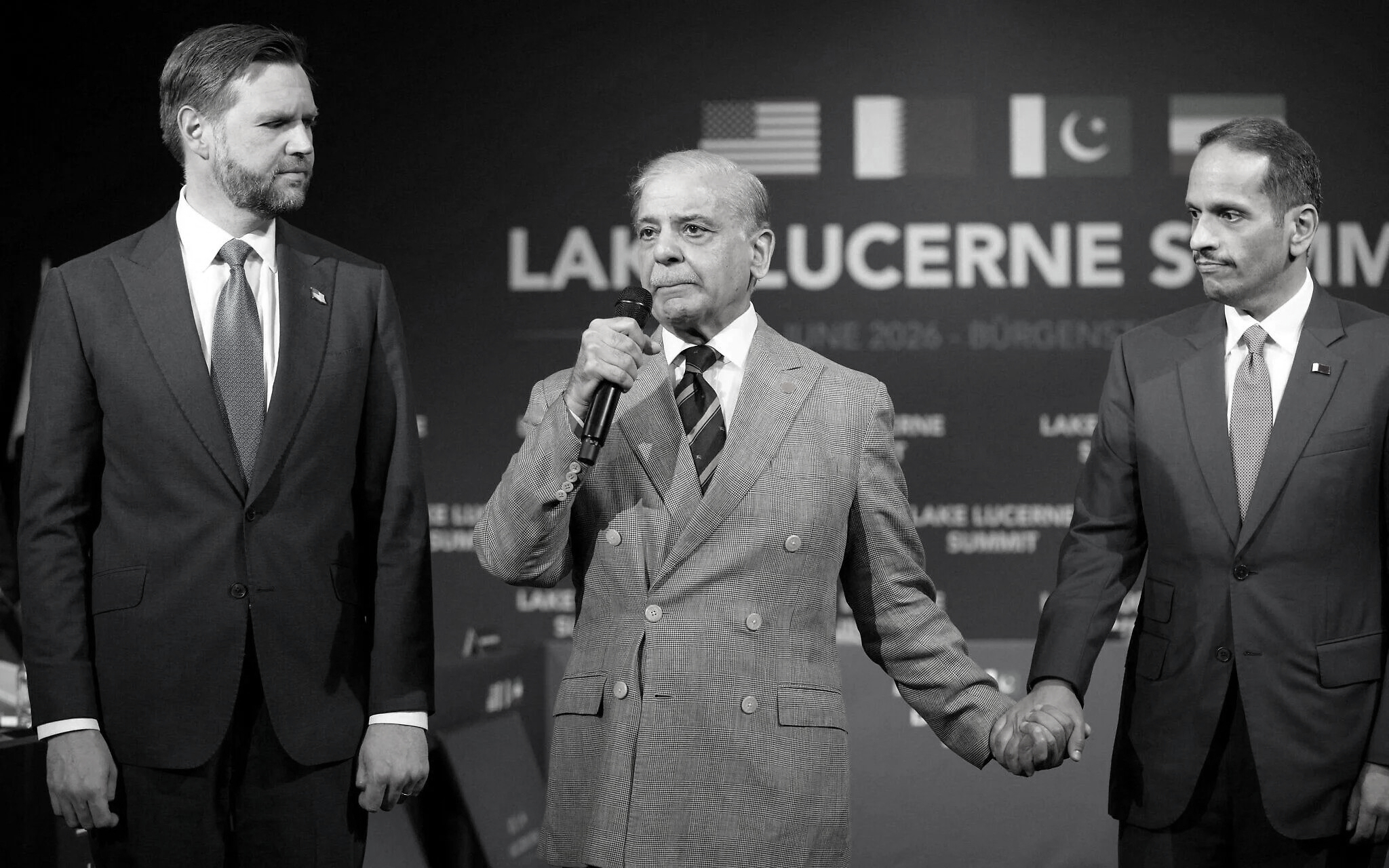
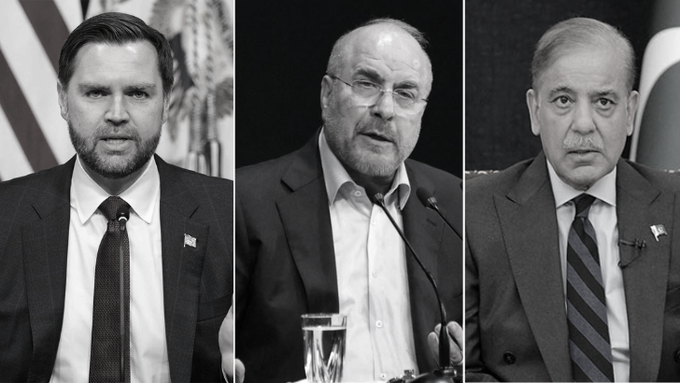
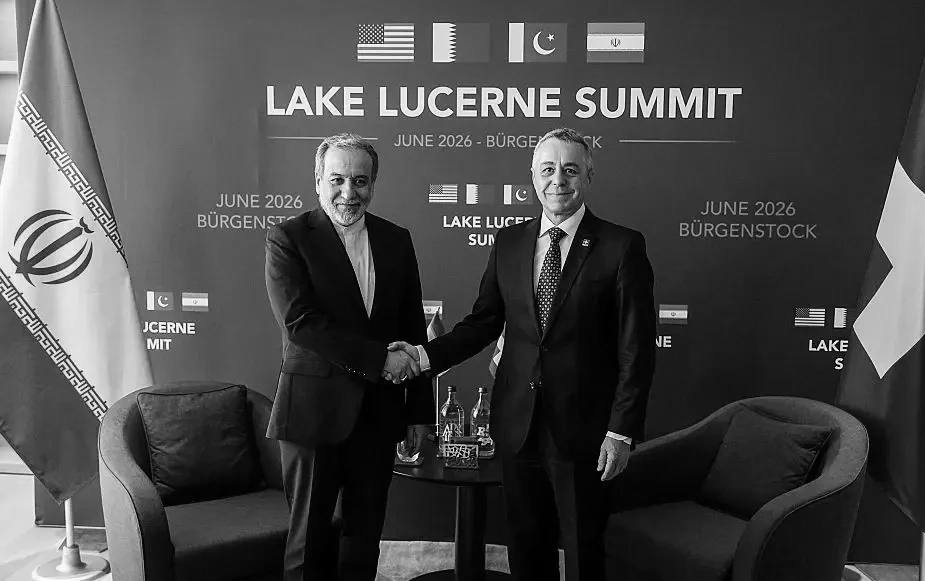
The American delegation was led by Vice President JD Vance , flanked by envoys Steve Witkoff and Jared Kushner , while Iran's team was headed by parliamentary speaker Mohammad Bagher Ghalibaf and Foreign Minister Abbas Araghchi . Pakistani Prime Minister Shehbaz Sharif , army chief Field Marshal Asim Munir , and Qatari Prime Minister Sheikh Mohammed bin Abdulrahman Al Thani facilitated the negotiations, with Sharif having signed the original MoU as a guarantor. The talks were dubbed the Lake Lucerne Summit , though they nearly did not happen at all. Vance had originally been slated to arrive Friday, but his departure was delayed after fighting escalated in Lebanon and Iranian officials cancelled plans to attend.
The summit's outcome was not without turbulence. Vance acknowledged at his closing press conference that the Iranian delegation had threatened to walk out after Trump's posts on Truth Social threatening fresh strikes, but stressed they never actually did. Iran's semiofficial Tasnim news agency confirmed the team had formally protested the remarks to the American side. Trump had written: “Iran must immediately stop their highly paid PROXIES in Lebanon from causing trouble. If they don't, we'll hit Iran very hard again, just like we did last week, only harder!!!”, a broadside delivered while his vice president was mid-negotiation two floors away. In a Fox News interview the same day, Trump warned Iranian officials they would not “make it back to your country” if the strait were closed. Iran's chief negotiator Ghalibaf shot back that the country's armed forces were ready to respond to any threats.
The talks survived the turbulence and produced several substantive outcomes. Among the most significant, Iran agreed to admit inspectors from the International Atomic Energy Agency (IAEA), which Vance called “probably what we're most excited about as Americans” and a major milestone representing the first step toward permanently ending Iran's nuclear weapons programme. Coordination with IAEA inspectors is expected to begin as early as this week. That said, Pezeshkian drew a firm red line the same day, declaring that Iran would “never back down from the right to enrich uranium”, a position Tehran has held throughout, and one that remains the sharpest gap between the two sides. Iranian state television separately confirmed that the nuclear programme was not raised during the opening session itself, with Iran insisting Lebanon be addressed first.
On the economic side, Abbas Araghchi cited a raft of American concessions, including waivers on Iranian oil and petrochemical exports, a lifting of the blockade, the release of some frozen assets, and the launch of a major reconstruction and development plan for Iran. The US Treasury confirmed a 60-day waiver on Iranian oil sales shortly after the talks concluded. Iran also signed a separate agreement with Qatar on the use of Iranian assets held in that country.
The parties agreed to establish working groups on nuclear issues, sanctions, and dispute resolution , alongside a deconfliction cell with Lebanon and the mediators to ensure the ceasefire there holds. Araghchi called the Lebanon mechanism the “first real test” of the entire negotiating framework. A cautious calm held in Lebanon on Monday, with no Israeli strikes reported overnight and Hezbollah announcing no attacks since Saturday, the longest pause since the latest Israel-Hezbollah war began on March 2.
Israel, though absent from the table, loomed over every clause. Benjamin Netanyahu’s office declined to acknowledge the deconfliction mechanism, with spokesman David Mencer stating Israel was not a party to the MoU or the negotiations. Netanyahu separately reiterated he would never allow Iran to acquire nuclear weapons regardless of any Swiss agreement. Gulf meetings are expected in the next phase of talks to discuss broader regional security arrangements, with the 60-day clock now running.
Departing Burgenstock, JD Vance offered his summary: “The final deal is the house. We set the foundation. We haven't built the house, but we've laid a successful foundation.”