
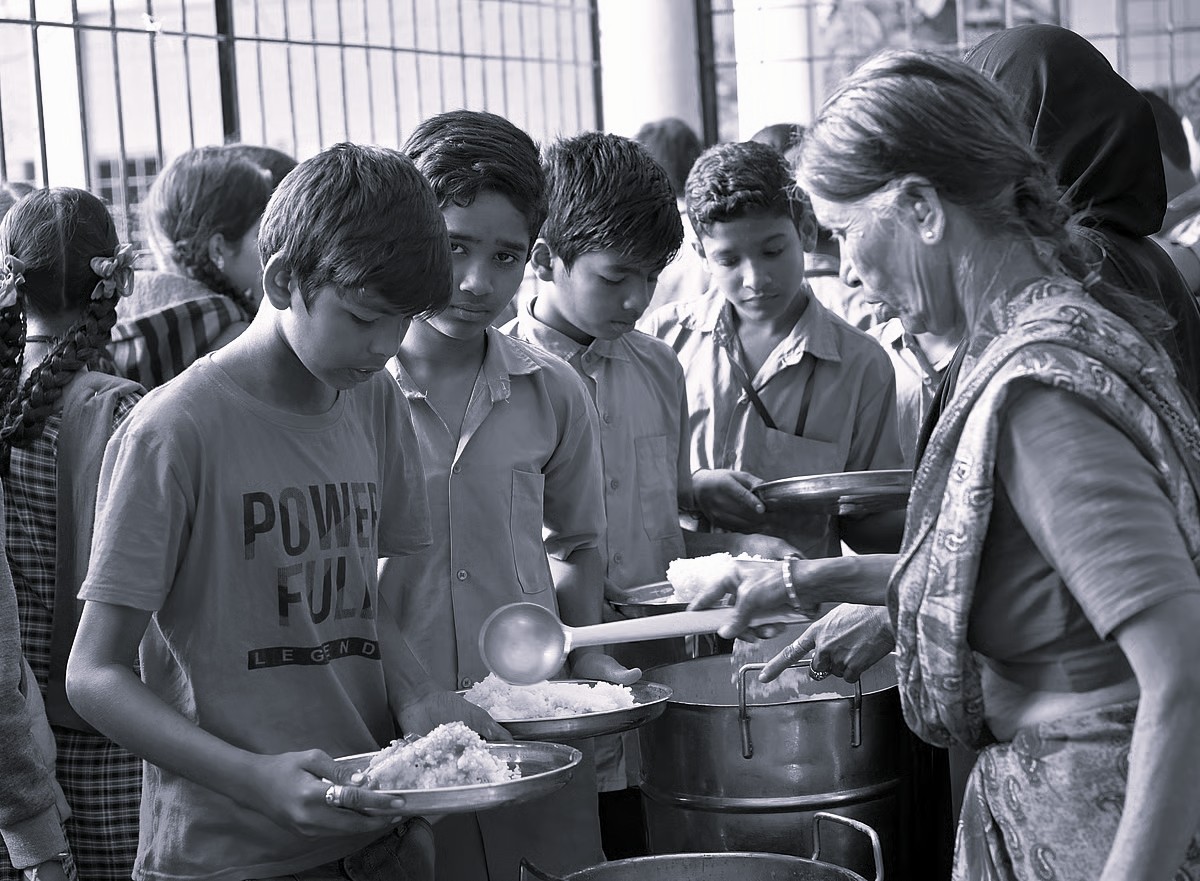
Rising student deaths, Food-safety alerts put TG residential schools under scanner
A 14-year-old TMREIS student, Shaik Moosa of Nizamabad, was found dead under suspicious circumstances at a hostel in Chandoor, Kamareddy district. His parents say he had been “normal” just two days earlier. This marks the third student death in a residential welfare school in Telangana within a year, intensifying scrutiny over safety conditions inside government-run institutions.
The tragedy comes amid a disturbing rise in student suicides across Telangana’s residential schools, with at least 10 students dying by suicide since June 12, 2025. Many of these children ,minors from economically disadvantaged communities, were living far away from their families in Social Welfare, Tribal Welfare, and Minority Welfare hostels. The recurring deaths indicate deeper systemic vulnerabilities in care, supervision, and emotional support across residential campuses.
In July 2025, the National Human Rights Commission (NHRC) sought a detailed report from the Telangana government after receiving complaints that 886 food-poisoning incidents had occurred in the State’s residential schools, along with 48 student deaths linked to welfare institutions over recent years. The NHRC said the scale of allegations raises “serious questions about systemic negligence,” urging the State to explain how food safety, monitoring mechanisms, and emergency response are being handled across hundreds of welfare schools.
The Commission also noted that students, most of them minors from marginalized backgrounds, are entirely dependent on the State for food, lodging, medical care, and emotional support, making institutional accountability even more critical.
Alongside these structural concerns, investigations indicate that students are battling homesickness, stress, isolation, strict routines, inadequate mental-health support, and poor hostel infrastructure, leaving them emotionally vulnerable and at risk of self-harm.
Recent incidents highlight these challenges. In Yadadri-Bhuvanagiri district, two girl students aged around 15 allegedly died by suicide, with families alleging negligence and demanding a transparent probe into the circumstances surrounding their deaths.
These suicides come in parallel with recurring food-poisoning incidents in Telangana’s residential institutions. In July this year, 32 children were hospitalized with vomiting and diarrhoea after consuming hostel food in Nalgonda district. Such episodes underscore persistent vulnerabilities in hygiene, food procurement, and oversight.
Taken together, these developments expose the fragility of the residential education ecosystem designed primarily for children from marginalized communities. Activists argue that students reliant entirely on institutional care for nutrition, safety, and emotional well-being are being subjected to preventable dangers.
Experts acknowledge that while residential schooling has opened academic opportunities for underprivileged children, the system has failed to evolve into a nurturing and protective environment. The absence of trained counsellors, insufficient supervision, and distance from parents often forces young students to struggle silently until crises escalate.
However, with multiple government departments managing their own residential schools, responsibility remains fragmented and monitoring weakened.
Educationists warn that unless the government strengthens safeguards and reforms welfare school administration, the very institutions meant to uplift vulnerable children may instead become sites of trauma, danger and tragic loss.